
- The cultural history of Popsicles and their evolution over time.
- The differences in eating styles: licking vs. biting.
- The science behind Popsicle construction: flavors, ingredients, and freezing processes.
- The role of Popsicles in zoo environments and animal enrichment.
- Fun facts about Popsicles and their connection to seasonal enjoyment and wildlife.
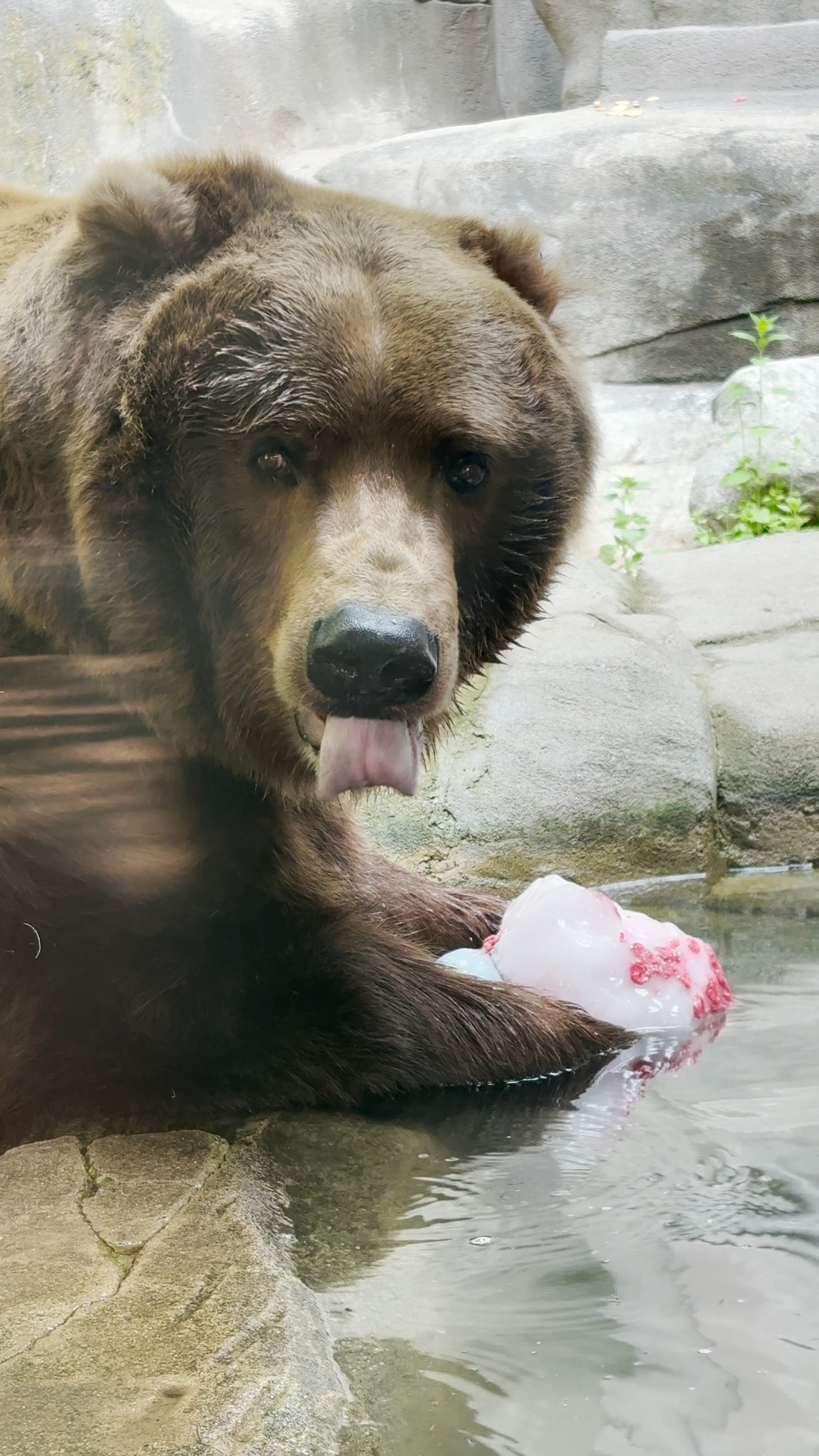
Popsicles have evolved from a simple childhood treat to an emblem of summer fun. Their history dates back to the early 20th century when a young boy accidentally created the first frozen treat by leaving a sugary drink outside. This accident led to a phenomenon that has garnered fondness across generations. As temperatures rise, the appeal of Popsicles increases, making them a staple. People often have preferences for how they consume these frozen delights, with some opting to lick them while others bite. Booboo, the playful bear, suggests, “Why not both?”
The distinction between licking and biting a Popsicle may seem trivial, but it reflects different eating habits and psychological approaches to consumption. Licking involves a slow savoring of flavor, allowing for the gradual melting of the treat; this method can be refreshing and rewarding. Conversely, biting into a Popsicle delivers an instantaneous burst of flavor and can be especially enjoyable when feeling impatient or overheated. Both methods allow for an assortment of textures and flavors to be experienced, making Popsicles universally loved, regardless of age.
Understanding how Popsicles are made enhances appreciation for this comforting treat. The construction of a Popsicle begins with ingredients that usually include fruit juices, purees, or flavored syrups, mixed with water or yogurt. Food scientists focus on achieving desirable flavors and textures. Sugar plays a vital role; it enhances taste and affects the freezing point. Many Popsicles also incorporate stabilizers and emulsifiers to prevent ice crystals from forming, resulting in a creamier texture.
The freezing process is equally essential. Commercial Popsicles usually undergo blast freezing, where the temperature plummets rapidly, ensuring the formation of countless tiny ice crystals. This technique yields a smooth product devoid of large, crunchy ice formations. Home-crafted Popsicles may not achieve the same consistency, but they allow experimentation with ingredients and flavors.
Another intriguing aspect is how Popsicles can serve various functions beyond satisfying sweet cravings. In zoo environments, Popsicles play a role in animal enrichment. Many facilities create frozen treats for their animals, combining fruits, vegetables, and even meat to create enjoyable snacks. These treats help stimulate the natural behaviors of the animals, engaging their sense of taste and providing essential hydration during hot weather.
Making animal Popsicles involves taking into account the dietary needs of various species. For instance, a Popsicle made for elephants may include fruit juices mixed with vegetable purees, while a treat for birds might involve fruit suspended in water with seeds or nuts. This enrichment method not only provides a refreshing snack but also encourages problem-solving and social interactions among animals.
With the summer months upon us, Popsicles find their way into various social settings. Whether at picnics, beach outings, or visits to the zoo, these treats often create lasting memories. Families enjoy the joy of slurping away the afternoon heat while experiencing their surroundings. The tactile sensation of holding a cold Popsicle contrasts with the warmth of the sun, turning the act of consuming this simple treat into a multisensory experience.
Beyond their contribution to sensory delight, Popsicles also have health implications. Many store-bought Popsicles can be loaded with sugar, artificial colors, and flavors. Health-conscious individuals may prefer homemade versions using natural ingredients like fruit purees, honey, or yogurt. This shift reflects a societal trend toward healthier eating, allowing friends and families to enjoy Popsicles without compromising nutritional values.
Trends in Popsicle offerings are continually evolving, with specialty brands now providing sophisticated flavors and organic options. Infusions of herbs and spices have become popular, adding unexpected twists that intrigue adventurous eaters. Jalapeño-infused mango or lavender lemonade Popsicles provide a burst of novelty that keeps consumers engaged and excited about their frozen treats.
Whether one prefers to lick or bite their Popsicle, the enjoyable experience is undeniably linked to summertime and outdoor fun. Each lick or bite becomes a small celebration, embodying the spirit of the season and fostering connection with friends and family. Booboo, the beloved bear, emphasizes that both methods yield flavorful enjoyment. There is no right or wrong way to relish this frozen treat; each approach offers its unique satisfaction.
The summertime creation of Popsicle memories can extend to educational opportunities in zoo settings. Zoos engage visitors with interactive exhibits where they can learn about cooling methods in the animal kingdom. Understanding how animals cope in warmer climates can enhance appreciation for the environment and our shared responsibility toward wildlife conservation.
Educational programming often highlights not only the enjoyment of animal Popsicles but also the importance of habitat preservation and ethical practices in animal care. Displaying the connection between fun experiences and learning invites deeper emotional investment in conservation efforts.
In addition, Popsicles can symbolize a connection to cultural diversity. Different regions of the world have their variations—such as Italian “gelato” or Mexican “paletas.” Each region imbues its own flavors and ingredients based on local agricultural practices, showing how Popsicles serve as a bridge between cultures. Sharing Popsicles enlivens gatherings across borders, exemplifying universal craving for joy and sweetness.
Individuals can try experimenting with their Popsicle recipes, utilizing seasonal fruits, vegetables, and herbs that reflect local tastes. Explore tropical combinations or indulge in rich, creamy variations. Each success opens doors to creativity, offering opportunities to uncover one’s culinary preferences while enjoying the sunshine.
As summer approaches, the simple act of enjoying Popsicles can serve multiple purposes—from quenching thirst to reinforcing social bonds and even supporting wildlife conservation. They become conduits for enjoyment, education, and connection to nature. Booboo’s whimsical suggestion reminds us that each individual’s experience with this frozen delight can intersect in interactions with family, friends, and even the wildlife around us.
Popsicles embody more than just a tasty treat; they reflect cultural significance, environmental stewardship, and shared experiences around the warmth of summer days. Flavors and preferences may vary, but one thing remains universal: the joy of enjoying a cold Popsicle brings smiles and a sense of adventure, regardless of how one chooses to savor it.
*****
Source Description
Popsicles: Do you prefer to lick them or bite them? Booboo says… why not both? 🐻🍦
With the weather warming up, it’s the perfect time to visit the Zoo and catch some cool moments like this! 🌤️
