
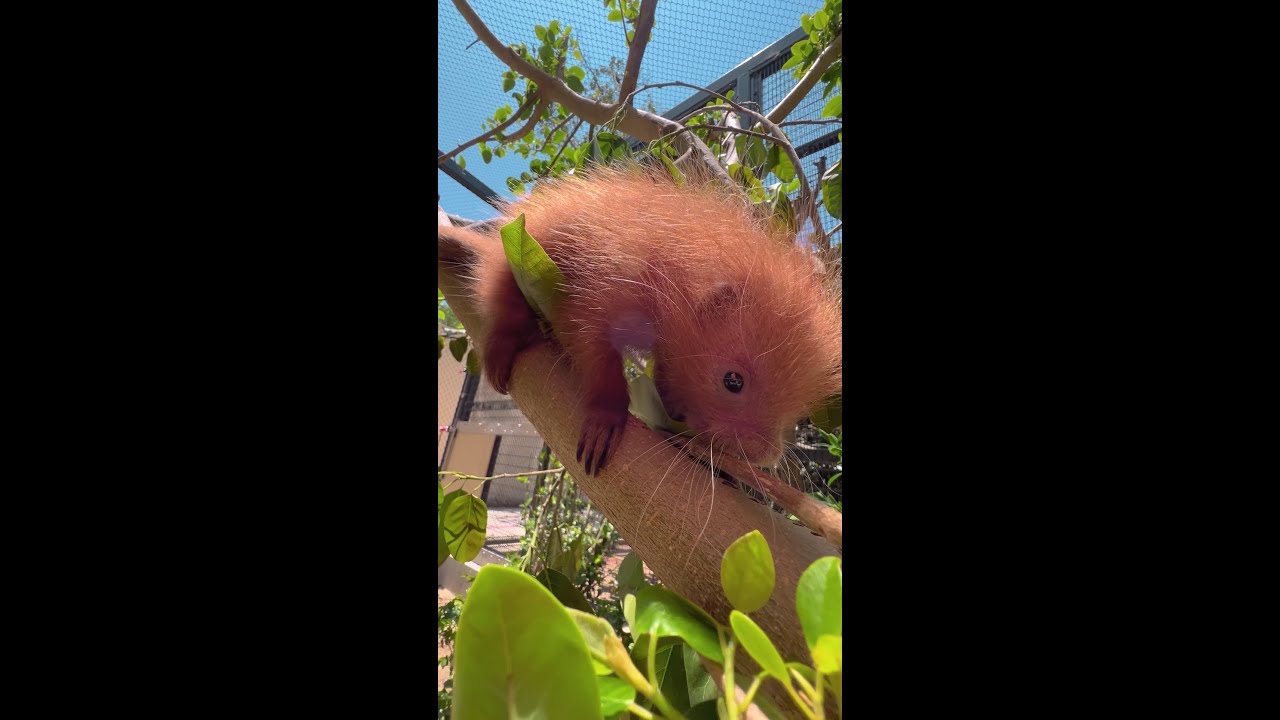
- Overview of the Porcupette Naming Contest and its significance in wildlife conservation.
- Insights into porcupine biology and their role in ecosystems.
- The importance of public engagement in zoo management and conservation.
- Details of the [video_desc], highlighting its impact on audience connection.
- Current trends and challenges in zoo-based educational initiatives.
The Porcupette Naming Contest has emerged as an engaging initiative in the field of wildlife conservation. This unique event serves as an intersection between public involvement and the scientific community, providing a platform for education, awareness, and appreciation of wildlife.
Porcupines, belonging to the rodent family Erethizontidae, are fascinating creatures, particularly known for their unique quills. Understanding their behavior and ecological role enriches our appreciation of biodiversity. They are largely nocturnal and herbivorous, primarily feeding on leaves, herbs, twigs, and green plants. In their ecosystems, they play a crucial role in controlling plant growth and dispersing seeds, maintaining a balanced environment.
The Porcupette Naming Contest sparks curiosity and involvement in the biological and ecological significance of these animals. By inviting the public to win through the contest, zoos foster a sense of connection and responsibility towards wildlife. Such initiatives are vital as they encourage community involvement in conservation efforts, making people more aware of the challenges these animals face in the wild, such as habitat loss and human-wildlife conflict.
Zoos have evolved significantly over the years, transforming from mere exhibitions of exotic animals to centers of conservation, education, and research. Public engagement, such as that seen in the Porcupette Naming Contest, plays a critical role in the modern zoo management approach. It helps build a bridge between the public and the complex conservation work being conducted behind the scenes. This engagement is essential in fostering a future generation committed to wildlife conservation.
The [video_desc] provides a unique window into the world of the porcupette and the zoo’s efforts in conservation and education. Visual narratives are powerful tools in today’s digital age. They help convey complex information in an engaging and relatable manner. The video associated with the contest not only captures the adorable nature of the porcupette but also educates viewers on the broader efforts of species preservation.
Current trends in zoo-based educational initiatives highlight an increasing demand for interactive and participatory experiences. The challenge lies in creating programs that are engaging yet educational, striking a balance between entertainment and conservation messages. Zoos are adopting technology, such as augmented reality and virtual tours, to enhance visitor experience and provide more in-depth insights into the lives of animals.
Wildlife conservation is a multifaceted field that requires collaboration between scientists, conservationists, and the public. Initiatives like the Porcupette Naming Contest are important for raising awareness and fostering this collaboration. Such contests highlight the need for a collective effort to protect our planet’s biodiversity for future generations.
In conclusion, the Porcupette Naming Contest is more than just a naming game. It’s an opportunity to bridge the gap between humans and nature, inviting everyone to be a part of the conservation story. Through educational initiatives and engaging narratives, we can hope to inspire action and passion for wildlife preservation.
*****
Source Description
Our new prickly pal needs a name 🧡
San Diego Zoo Wildlife Alliance recently welcomed the first ever prehensile-tailed porcupette born at the Zoo on June 3. This boopable baby is thriving under first-time mama Gracie’s careful watch, but is still missing one thing: a name. Tap the link to vote for your favorite and we’ll announce the top pick next Thursday: http://sdzoo.com/porcupette-poll
