
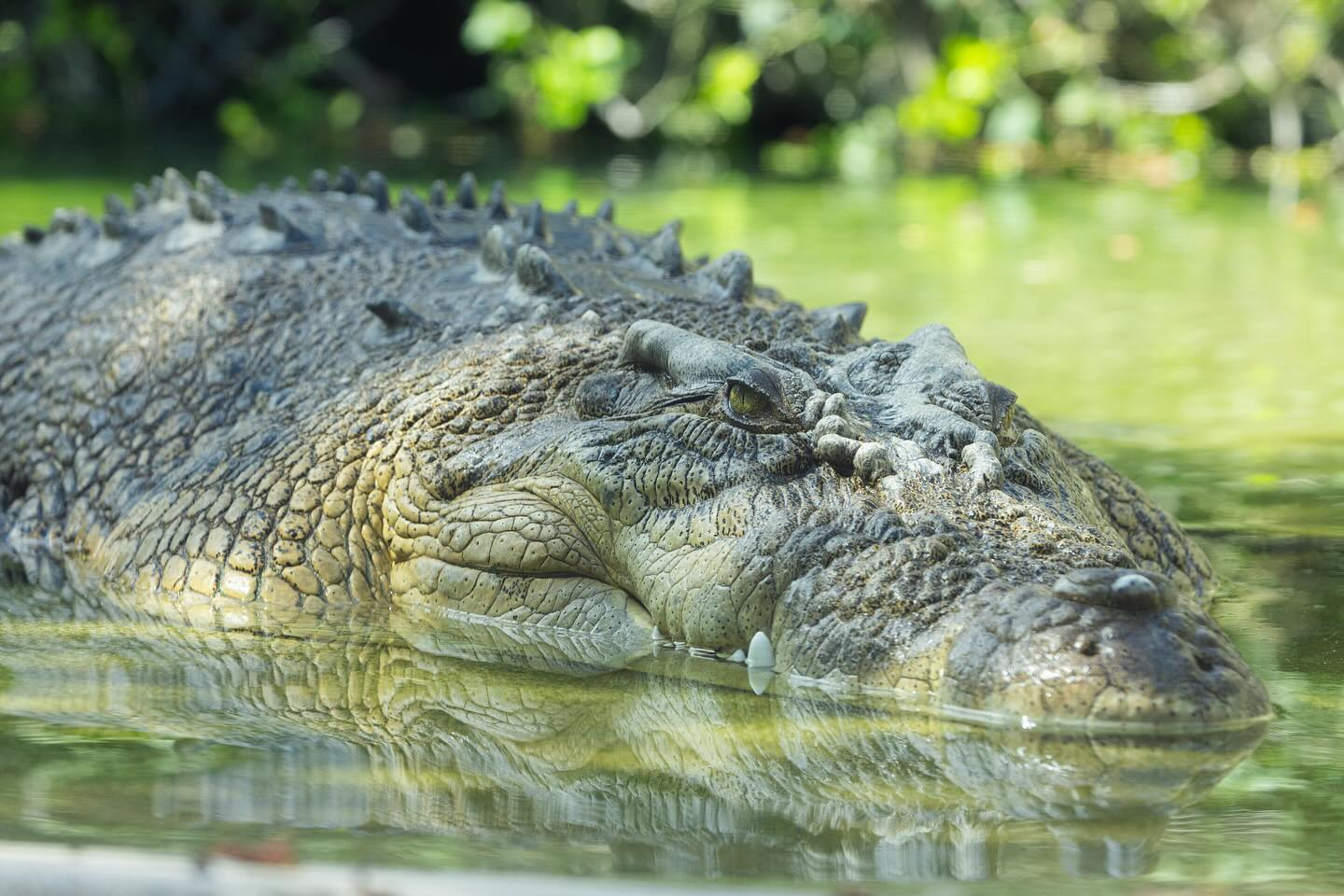
- The physiological impacts of heat on wildlife and zoo animals
- Strategies for zoo management during extreme heat
- The importance of habitat conservation in the face of climate change
- Educating the public on responsible wildlife interaction during heatwaves
- Future considerations for wildlife conservation amidst rising temperatures
The biological response of wildlife to heat is paramount in understanding how increasing temperatures can affect animals in zoos and their natural habitats. Animals are adapted to thrive within certain temperature ranges, and when these thresholds are exceeded, their physiological systems can be severely strained. For instance, many mammals, such as elephants and large carnivores, rely on behaviors that help manage their body temperature. This includes finding shade, modifying their activity patterns, and altering their dietary choices. If animals face higher temperatures than they can tolerate, they may experience heat stress, which can lead to decreased reproductive success, increased susceptibility to disease, and even death.
Particularly in a zoo setting, the phenomenon of the heat rolling in introduces additional responsibilities for care staff and management. Extreme heat events require thorough planning to provide adequate shelter, water, and cooling measures for each species. Different animals have varying heat tolerances; for example, reptiles may seek warmth during the day but require cooling areas in their enclosures to regulate their body temperature. Consequently, zoo management must set specific protocols to monitor environmental conditions and respond accordingly. Providing air-conditioned spaces, misting systems, and shade structures becomes essential in maintaining animal well-being.
Furthermore, involving the staff in training focused on animal behavior under thermal stress can lead to improved welfare outcomes. Zoo personnel must be informed about the signs of heat stress, which include excessive panting, lethargy, or unusual drinking behavior. With these policies in place, zoos can mitigate risks linked to extreme temperatures while promoting animal health.
The importance of habitat conservation cannot be overstated, especially when considering the far-reaching impacts of climate change. Natural ecosystems provide critical services, and the preservation of these habitats helps regulate temperature and weather patterns. For wildlife to adapt as conditions shift, they need access to diverse environments that can accommodate their needs during temperature fluctuations. This is particularly important for species that rely on specific microhabitats, where they can find shelter and food sources necessary for their survival.
Zoos play a vital role in habitat conservation efforts. By supporting natural habitat restoration projects and collaborating with conservation organizations, zoos contribute to the maintenance of biodiversity. Moreover, zoos often engage in breeding programs that aim to repopulate endangered species in their native habitats. As temperatures continue to rise, adapting conservation practices becomes increasingly essential to support species that might otherwise decline due to habitat loss or shifts caused by climate change.
Educating the public on responsible wildlife interaction is another critical aspect of managing extreme heat events. Visitors should be aware that direct exposure to heat can influence animal behavior. Exhibits may have altered viewing times or behaviors when temperatures rise, as animals may choose to stay hidden or minimize their movement. Interactive educational sessions can help inform the public about respecting animals’ needs, demonstrating how their actions can either disrupt or support the animals’ welfare.
Moreover, encouraging guests to minimize their time in direct sunlight and stay hydrated can create a more respectful environment for both the animals and visitors. Signs alerting guests to potential heat-induced behavioral changes can guide them in their experience and help them practice responsible observation.
In light of rising global temperatures, zoos must also look forward. Future considerations include refining breeding programs to account for the adaptability of species to hotter climates. This prospective approach emphasizes genetic diversity; a broad gene pool can bolster resilience against changing environmental conditions.
Additionally, enhancing collaboration with local and international conservation teams is vital. This can result in more informed decisions based on research and ongoing monitoring of animal populations and their responses to increased heat. Utilizing technology to monitor animal health and behavior, particularly with wearable devices, can provide data crucial to understanding heat stress and its effects on the broader ecosystem.
The heat is rolling in tomorrow … are we ready? This statement reflects more than a casual observation; it addresses a pressing issue that intersects zoology, zoo management, and wildlife conservation. As temperatures rise, wildlife faces unprecedented challenges that require coordinated efforts across multiple domains. By understanding the physiological impacts, implementing effective zoo management strategies, stressing habitat conservation, promoting public education, and preparing for the future, the collective goal should be to foster sustainability within the animal kingdom.
Each facet of this multifaceted topic is critical for preserving the lives of wildlife within the zoo environment and beyond. As stewards of the planet’s biodiversity, our actions today will determine the health of ecosystems for generations to come.
*****
Source Description
The heat is rolling in tomorrow … are we ready? 😏☀️
