
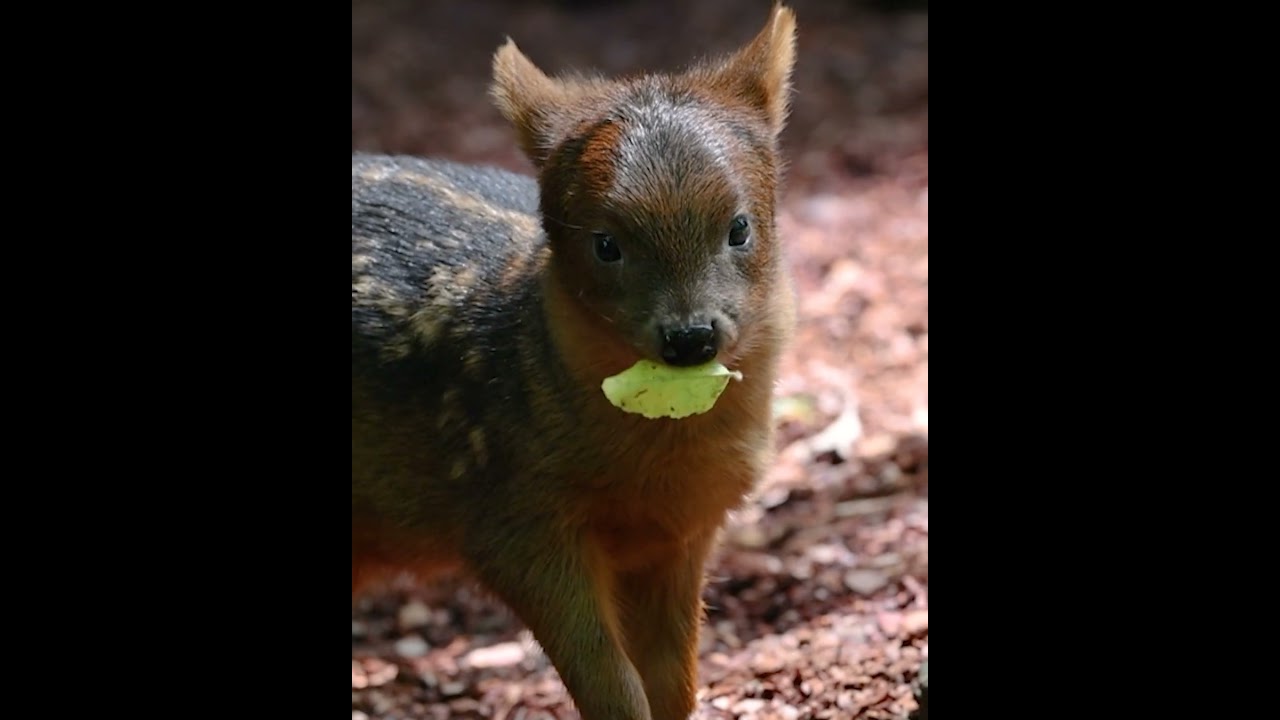
- Exploration of the Pudu Fawn Noms dietary habits and natural behaviors.
- Understanding the ecological significance and habitat of the Pudu species.
- Insights into zoo management practices to preserve the Pudu.
- The role of wildlife conservation efforts in protecting the Pudu.
- Educational value and public awareness regarding the importance of Pudu conservation.
The Pudu, known as the smallest deer in the world, captivates wildlife enthusiasts with its diminutive stature and significant ecological role. Focusing on the dietary habits of the Pudu fawn and its broader environmental context provides a rich subject for exploration. This inquiry highlights feeding behaviors, habitat intricacies, conservation methodologies, and the educational aspects surrounding Pudu preservation.
The diet of the Pudu fawn, colloquially referred to as "Pudu Fawn Noms," is vital not only for understanding the species’ nutritional requirements but also for gauging its role in forest ecosystems. These fawns primarily feed on a diverse range of vegetation, including leaves, bark, and fallen fruits. Their browsing habits ensure forest floor vegetation is managed, indirectly supporting various plant species by preventing overgrowth. The Pudu’s diet exemplifies its role as both consumer and gardener, maintaining ecological balance within its habitat.
Pudus inhabit temperate rainforests of South America, particularly in Chile and Argentina. Their favored environments are dense underbrush and forest edges where concealment from predators is optimized. The preservation of these forested regions is crucial for the Pudu’s survival, emphasizing the need for habitat protection and sustainable forestry practices. These environments are not only home to the Pudu but also to numerous other species, underscoring the broader significance of ecosystem conservation.
In terms of zoo management, the Pudu presents unique challenges and opportunities. Enclosures must mimic natural habitats, incorporating dense vegetation, ample space, and fresh food sources mirroring their wild diet. Zoos play a pivotal role in educating the public about the Pudu, showcasing its ecological role and the importance of rainforest conservation. Captive breeding programs are another crucial aspect, aiding in the genetic diversity and potential reintroduction of Pudus into secure wild habitats.
Wildlife conservation efforts for the Pudu focus on safeguarding natural habitats from deforestation and human encroachment. Organizations collaborate internationally to develop strategies that promote sustainable land use while ensuring these habitats remain undisturbed. Conservationists engage in research, monitoring population trends and studying their behaviors to inform protective measures. Educating local communities and involving them in conservation initiates a community-driven approach that enhances the efficacy of these efforts.
Educational initiatives raise awareness of the Pudu’s plight and illustrate broader conservation themes. By bringing the Pudu into the spotlight, these programs foster a connection between human activity and wildlife conservation. Educational campaigns use the Pudu as a symbol of the intricate interdependencies present within ecosystems, emphasizing the need for conscious and collective ecological stewardship.
In summary, the Pudu fawn’s dietary habits are merely the beginning of understanding this fascinating species. Exploring its ecological role, habitat requirements, and conservation needs reveals a broader narrative essential for biodiversity preservation. By integrating zoo management practices and public education, a comprehensive approach to protecting the Pudu, and the environments they inhabit, emerges, contributing to global conservation efforts.
*****
Source Description
Beni’s top hobbies: chomping leaves and stealing hearts! ☺️ 🦌
Southern pudus are herbivores and love snacking on leaves, bark, fruit and flowers. 🌿
