
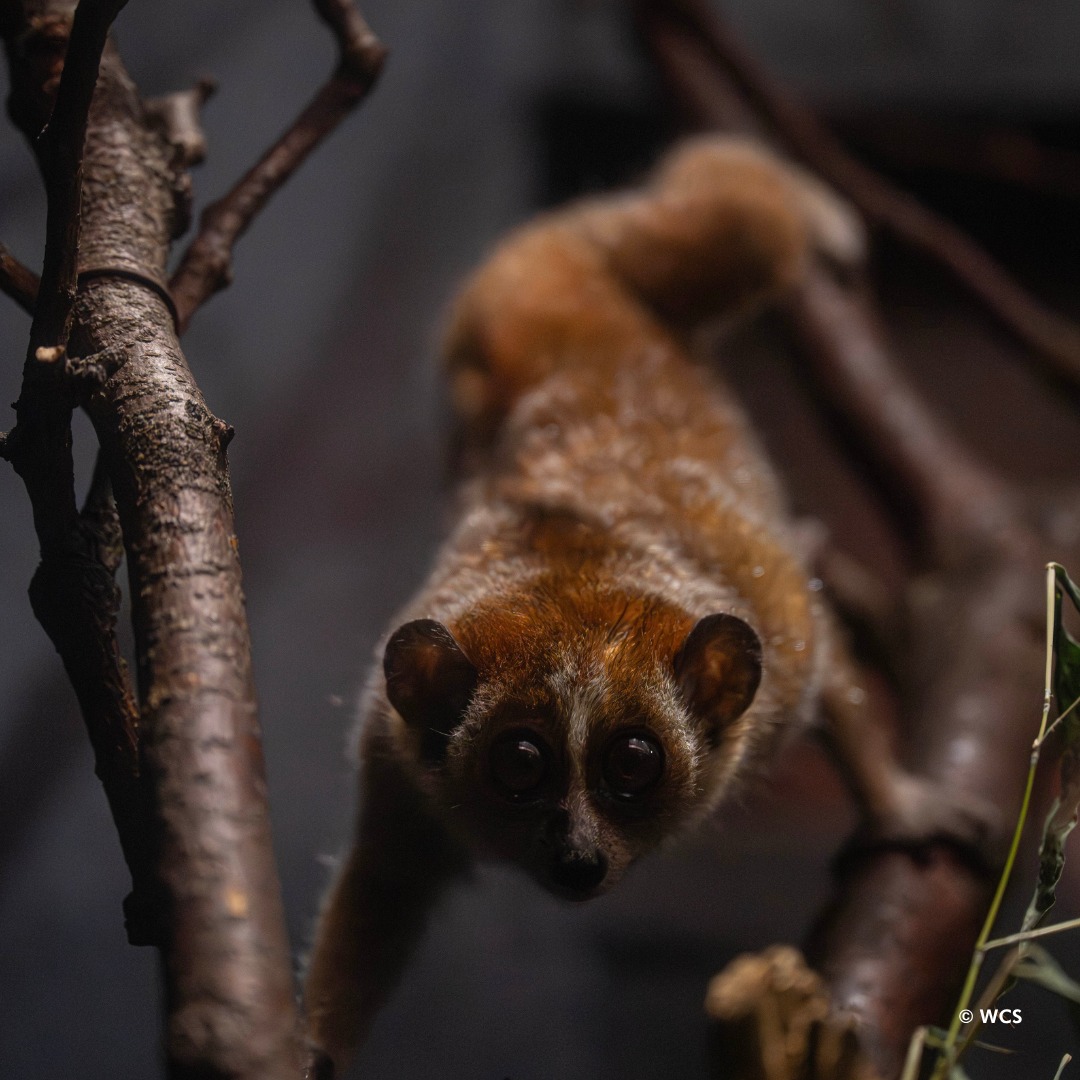
- Pygmy slow lorises are primarily arboreal, spending most of their lives in trees.
- Their diet is largely composed of tree gum, sap, and nectar, supplemented with fruit and small animals.
- Anatomical adaptations greatly aid their feeding strategies, such as specialized teeth and keen olfactory senses.
- They exhibit unique behaviors, including hanging upside down, to facilitate food gathering.
- Conservation efforts are crucial to protecting Pygmy slow lorises in their natural habitats.
Pygmy slow lorises are fascinating creatures; they are small, nocturnal primates that inhabit the forests of Southeast Asia. As primarily arboreal animals, these primates make trees their main environment, navigating through the branches with remarkable agility. Their adaptations for tree-dwelling life are significant. Pygmy slow lorises often hang upside down by their feet, a behavior that allows them to have both hands free for gathering food while providing stability in their tree-dominated habitat.
Their unique feeding habits are critical for their survival. Approximately 50-70% of a Pygmy slow loris’s diet consists of tree gum, sap, and nectar. They possess specialized bottom teeth that function like chisels, allowing them to gouge through the bark of trees. This action creates open channels that facilitate the flow of sap. The extraction of sap plays a vital role in their diet, offering both energy and hydration, particularly in their humid, forested environments.
In addition to tree gum and sap, Pygmy slow lorises consume fruit, insects, and even small animals. Although plant materials provide much of their sustenance, these mammals are omnivorous and take advantage of whatever food is available in their habitat. As nocturnal creatures, they are specially adapted to hunt for prey at night using their acute sense of smell. This olfactory capability enables them to detect food sources in darkness, increasing their foraging efficiency.
Behaviorally, Pygmy slow lorises exhibit intriguing characteristics. Hanging upside down by their feet allows them to remain balanced while they forage, showcasing their remarkable grip and flexibility. This position also enables them to scout for predators or other threats effectively. Their eyes are adapted to low-light conditions, reinforcing their nocturnal lifestyle and facilitating their ability to seek out food.
The Pygmy slow loris’s distribution is primarily in Malaysia, Indonesia, and parts of India. The generation of sap and gum in these areas largely depends on specific tree species. These trees provide not only sustenance but also shelter from a variety of natural threats, including predators and environmental changes. In this context, the preservation of their forest habitat is essential for the survival of these unique primates.
Conservation is a pressing concern for the Pygmy slow loris. Deforestation, habitat loss, and illegal wildlife trade pose significant risks to their population in the wild. Rapidly changing land use patterns, driven primarily by agriculture and urban development, threaten their natural habitats. Efforts are underway in various regions to protect these forest ecosystems, but challenges remain. Outreach programs that educate local communities about the importance of preserving the Pygmy slow loris and their habitats are crucial.
The role such conservation efforts play in safeguarding not only the Pygmy slow loris but also the broader biodiversity in Southeast Asia cannot be overstated. By fostering sustainable land-use practices and supporting local conservation projects, there is hope to maintain viable populations of these nocturnal mammals. Organizations dedicated to wildlife conservation are actively working to implement strategies that balance human needs with habitat protection.
Pygmy slow lorises are also common subjects in nature exhibits, where they serve to educate the public on the importance of biodiversity and conservation. Visitors at facilities like the World of Darkness exhibit can observe them in a habitat designed to mimic their natural environment. This immersive experience allows audiences to appreciate the intricacies of their behavior and the challenges they face in the wild.
Understanding the ecological role of Pygmy slow lorises is essential. As they feed on tree sap and nectar, they potentially facilitate pollination by transferring pollen from flower to flower. This interaction helps maintain the health of forest ecosystems, supporting a wide array of plant and animal life. Without this complex interrelationship, the overall balance of the ecosystem could be threatened.
Research continues to play a vital role in enhancing our understanding of Pygmy slow lorises. Studies examining their diet, behavior, and habitat use offer deeper insights into their biology and ecology. Such information is essential for developing effective conservation strategies that address the specific needs of these primates. Field research involving telemetry and behavioral observation provides a framework for understanding their movement patterns and social interactions.
The dilemma faced by the Pygmy slow loris is not isolated; it serves as a microcosm of broader environmental issues. As urban populations grow and natural landscapes are altered, the need for informed conservation action becomes ever more apparent. Countries hosting Pygmy slow lorises are beginning to take steps toward implementing more comprehensive wildlife protections, but collaborative efforts are needed on an international level.
Education and community involvement are crucial for effective conservation. Programs aimed at fostering a sense of stewardship towards wildlife habitats can inspire local populations to engage in better land management practices. They can also raise awareness about the risks associated with illegal wildlife trade, which preys upon Pygmy slow lorises and other endangered species.
By linking local communities to conservation initiatives, it becomes possible to create sustainable solutions that contribute positively to both biodiversity and livelihoods. Supporting responsible ecotourism projects allows residents to see the value in protecting their natural surroundings while benefiting economically.
In summary, the Pygmy slow loris is an important species with complex ecological relationships tied to its arboreal lifestyle and specialized diet. Its feeding methods highlight both its unique adaptations and the challenges posed by habitat loss. Understanding these aspects furthers the cause of wildlife conservation, making it essential to continue efforts to protect these fascinating primates and the ecosystems they inhabit. Whether through educational programs, habitat preservation, or ethical wildlife trade regulations, the overarching goal remains clear: we must protect the Pygmy slow loris to preserve the rich biodiversity of our planet.
*****
Source Description
Pygmy slow lorises spend most of their lives in trees. They often hang upside down by their feet, leaving both hands free to gather food to eat. About 50-70% of their diet consists of tree gum, sap, and nectar. They use their specialized bottom teeth to gouge through tree bark, allowing the sap to flow freely. They also eat fruit, insects, and small animals. Additionally, their acute sense of smell helps them to hunt for prey. Come and see them in action in our World of Darkness exhibit.
📸: WCS photographer, Terria Clay
