
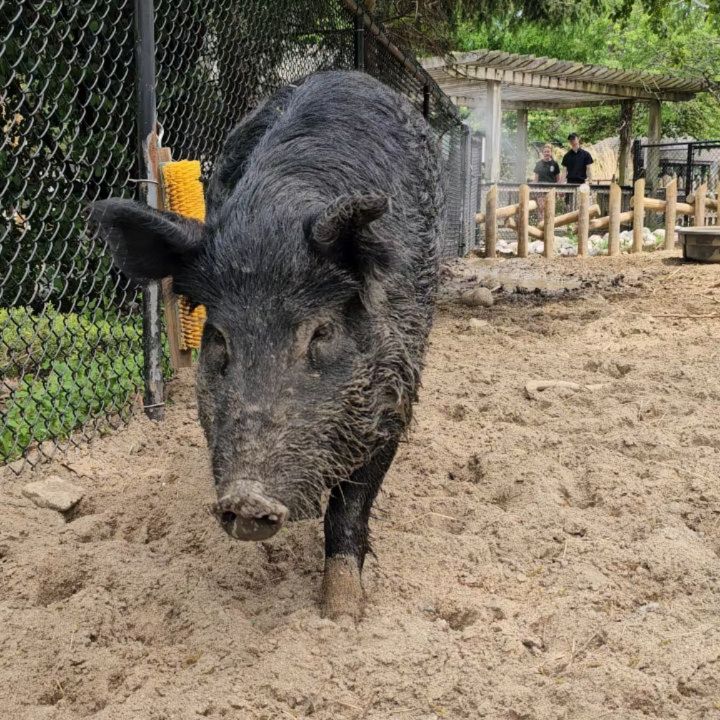
- Understanding the significance of Rain, the animal in question, and her living environment
- The role of zoos in conservation, education, and public engagement
- Challenges and strategies in zoo management and animal welfare
- Importance of biodiversity and conservation efforts
- Insights into the lesser-known aspects of animal behavior and life in captivity
Rain is a captivating presence at her zoo, frequently marking her territory with a splashy hello before retreating to her aquatic sanctuary. Her behavior offers insights into her specific species, the environment in which she thrives, and the broader mission of zoos in promoting wildlife conservation.
Rain is likely a representative of an aquatic mammal species, such as a dolphin or seal, known for their intelligence and social behavior. Her occasional appearances delight visitors and contribute to educational programs that reveal the intricacies of these remarkable creatures. Such interactions are pivotal for raising awareness about the need to protect their natural habitats.
Zoos play a significant role in conservation. They provide safe havens for threatened species and breed programs that support genetic diversity. The knowledge gained within these institutions feeds into global efforts to preserve wildlife. By observing animals like Rain, researchers can monitor health, social structures, and reproductive success, sharing findings with conservationists worldwide to inform habitat protection strategies.
However, challenges abound in zoo management. Ensuring animal welfare involves balancing the needs of the animals with those of the visitors and the institution’s resources. Captive environments must stimulate natural behavior to prevent stress or abnormal behaviors. Enclosures are designed to mimic natural habitats, and enrichment activities are employed to keep animals mentally and physically active.
Rain’s pool is more than just water; it represents a dynamic living space tailored to her needs. Regular assessments and innovative design maintain her physical health and cognitive well-being. Interactive sessions not only educate but also serve as enrichment, fulfilling her social needs.
Biodiversity is critical, with each species playing a role in the ecosystem. Zoos serve as genetic reservoirs, critical for reintroduction efforts in degraded habitats. Conservation education provided at zoos restructures attitudes toward wildlife, empowering communities to engage with conservation efforts.
Understanding animal behavior is key to enhancing zoo environments. Rain’s interactions are observed to comprehend social dynamics and individual health. Such observations contribute to an extensive database supporting global conservation science.
Rain’s brief greetings symbolize the intersection of fun and knowledge. They inspire curiosity and underscore the importance of preserving aquatic environments. By studying her behavior, scientists gain valuable insights into her species’ needs and challenges, illuminating pathways to ensure their future prosperity.
Zoos must continuously adapt, leveraging technology and participatory strategies to meet evolving conservation goals amidst changing environmental landscapes. Each encounter with animals like Rain reinforces the accountability of both institutions and visitors in safeguarding our planet’s biodiversity.
*****
Source Description
A quick hello from Rain, then back to her pool!
