
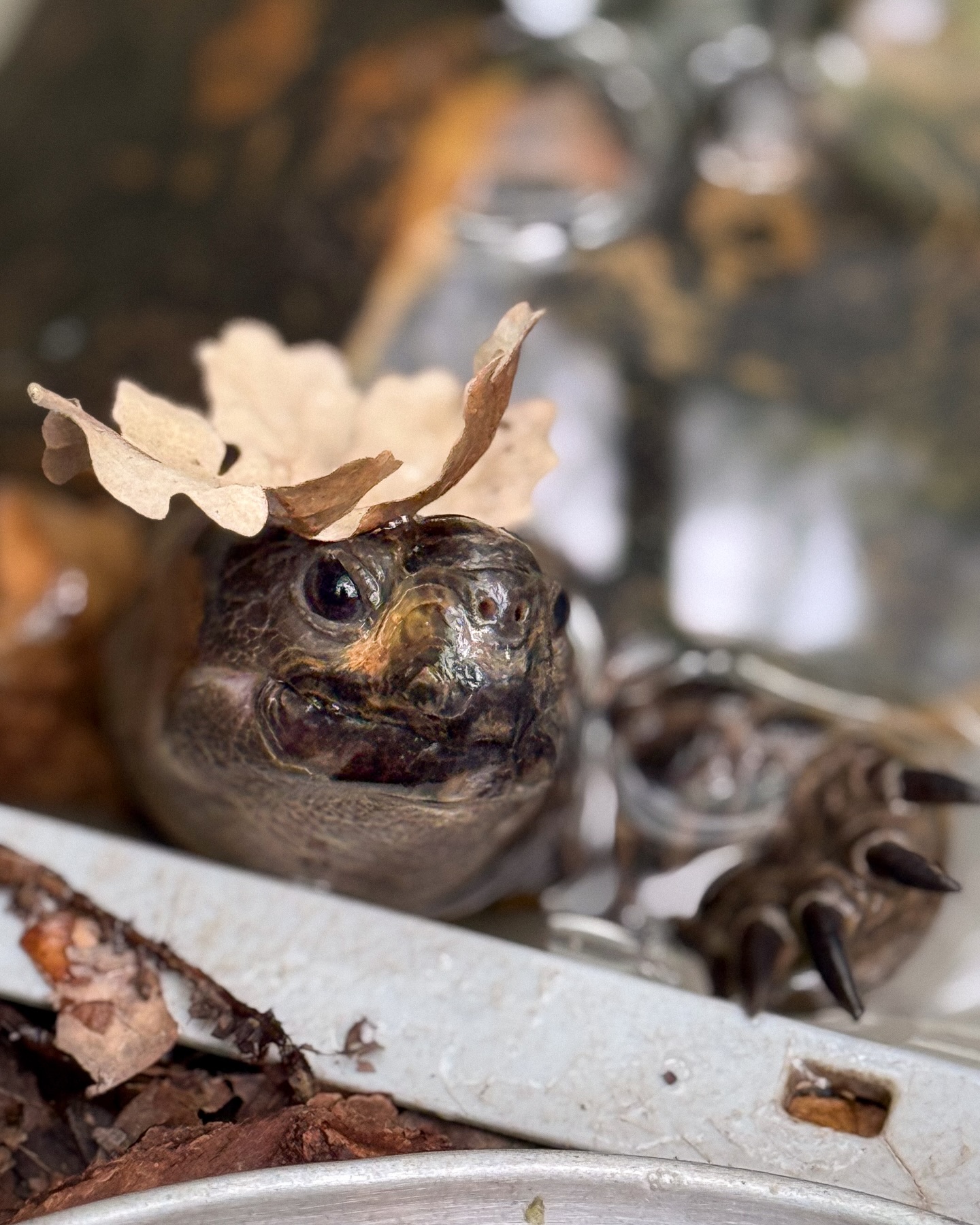
- The definition and characteristics of Rainy Day Divas
- The impact of rainy conditions on animal behavior
- Conservation efforts related to species that thrive in wet environments
- The role of zoos in educating the public about these species
- Cultural perceptions and myths surrounding animals in rain
Rainy Day Divas refer to the fascinating array of animal species that not only survive but thrive in rainy conditions. This concept embraces the unique behaviors, adaptations, and ecological roles of these animals. Rain, often seen as an inconvenience by humans, can unleash a wealth of activity among certain species, resulting in stunning spectacles of life. Understanding the dynamics of these animals offers important insights into their ecological significance and conservation needs.
The characteristics of Rainy Day Divas often manifest in various physiological adaptations. For instance, frogs of the family Ranidae, commonly known as true frogs, display remarkable agility during rainfall. Their moist skin absorbs water, which aids in respiration and hydration. The ability of amphibians to exploit transient water bodies is critical. Many frogs rely on rainy seasons for breeding. For example, the Wood Frog (Lithobates sylvaticus) emerges from its terrestrial habitat during the first rains of spring, laying eggs in temporary pools that fill with rainwater. These adaptations make them quintessential representatives of the Rainy Day Divas.
Additionally, some bird species exhibit a proclivity for foraging during rain. The American Robin (Turdus migratorius) becomes increasingly active when it rains, probing for worms and insects that emerge from the ground. Such behavioral shifts are critical for their survival during different seasons. Rain can alter food availability, and birds that adapt their feeding patterns are often more successful at navigating through varying environments.
Rain not only transforms the lives of animals but impacts entire ecosystems. Wetland habitats flourish during and after rainfall, providing vital resources for numerous species. Amphibians, insects, and small mammals benefit from the increased water availability. Some insects, like the ephemeral mayfly, thrive in these wet conditions. Their lifecycle is closely tied to regular rains, making them essential components of the aquatic food web.
Conservation efforts for these species focus on maintaining their habitats. Wetlands, often viewed as unproductive lands, serve as critical breeding grounds and feeding areas for Rainy Day Divas. Organizations dedicated to wildlife conservation emphasize the importance of preserving these environments, combating pollution, and promoting sustainable land-use practices. Wetland restoration projects aim to reestablish areas that may have been lost to development or climate change. By bringing attention to the importance of these ecosystems, conservationists advocate for policies that protect the flora and fauna dependent on them.
Zoos play a significant educational role in raising awareness about Rainy Day Divas. Modern zoo management incorporates animal behavior research into their exhibits. These institutions often create simulated habitats that mimic natural settings. By doing so, they provide visitors with an engaging experience and foster a greater understanding of animals’ roles in their ecosystems. Guided tours and informational displays often highlight the unique adaptations of various species and the importance of conservation efforts tied to their survival.
Public perception of these animals significantly influences conservation approaches. Many cultures view rain and the creatures associated with it through a lens steeped in tradition and myth. Rainfall is often celebrated, with animals symbolizing fertility, renewal, and abundance. For example, in many cultures, frogs are seen as symbols of good luck and prosperity, directly linked to their association with rainfall. Conversely, some societies may invoke fear or disdain for wet weather disturbances, influencing attitudes towards the animals that thrive in those conditions.
Through educational initiatives and outreach programs, zoos and conservation organizations strive to change negative perceptions. Reframing animal behavior around rainy conditions as a positive aspect of biodiversity is crucial in shifting public perception. Through storytelling and interactive sessions, visitors learn how these animals contribute to the overall health of our ecosystems.
The cultural narratives surrounding Rainy Day Divas also extend to literature and art, where these creatures often symbolize resilience and adaptability. Noah’s Ark narratives frequently illustrate the significance of animals during rainy seasons, reflecting a shared human fascination with nature’s rhythms. Emphasizing the ecological and cultural importance of these creatures can bolster community support for conservation.
In summary, the intersection of Rainy Day Divas, zoology, conservation, and public education reveals a complex web of life that thrives under conditions many find undesirable. The adaptations that facilitate survival during rain, coupled with the critical role these animals play in ecosystems, highlight the pressing need for conservation efforts and public engagement. By appreciating and understanding the rich narratives surrounding these species, society can work towards greater environmental stewardship and biodiversity preservation.
*****
Source Description
Rainy day divas. Share with a friend who cancels plans over a single raindrop.
