
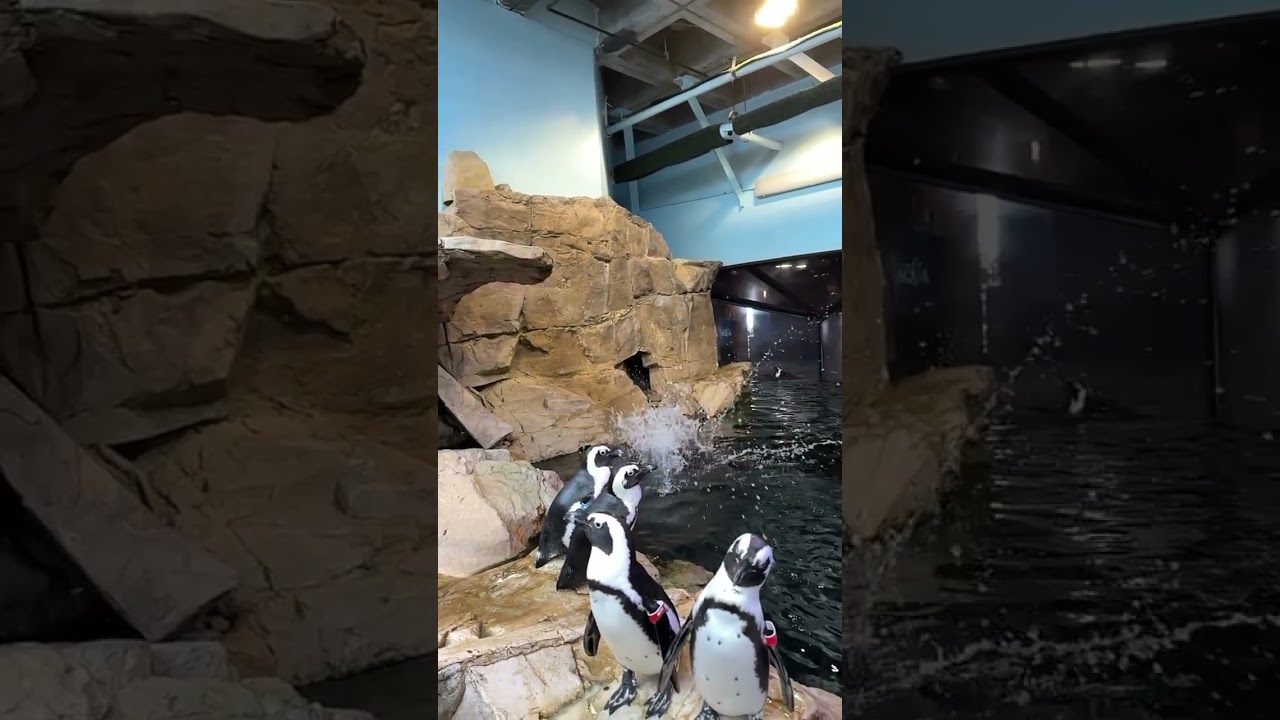
- Overview of Diamond’s dive and its significance
- Insights into African penguin behavior and biology
- The role of wildlife conservation in protecting African penguins
- The importance of zoos and aquariums in animal education and preservation
- Audience engagement and how to support conservation efforts
Diamond’s dive at the Audubon Aquarium stands out as a focal point in showcasing the talents of African penguins, especially in a setting that emphasizes both their natural behaviors and the importance of conservation. This captivating moment provides a unique perspective on how animal interactions can foster both excitement and education. The dive not only highlights the physical abilities of these birds but also serves as a critical educational opportunity for visitors eager to learn about the species.
African penguins have a distinct set of behaviors that make them highly fascinating creatures. They are social birds that thrive in colonies, where they rely on cooperative social structures to aid in foraging and communicating. Understanding the nuances of their behavior adds depth to the appreciation of Diamond’s dive. These penguins are known for their impressive swimming capabilities, which they utilize not just for fishing but also for engaging in playful activities. Observers can witness Diamond’s graceful dive, a display steeped in evolutionary adaptation designed for survival in their natural habitat.
Research shows that African penguins utilize specific vocalizations to maintain social bonds and communicate within their groups. Their unique calls are particularly significant during breeding seasons, where establishing connection and displaying courtship behavior plays a pivotal role in reproductive success. Watching Diamond’s performance provides insights into these vocalizations and how such behaviors help strengthen community ties among penguins.
Conservation efforts focused on the African penguin are essential due to the ongoing threats posed by habitat destruction, overfishing, and climate change. Once abundant along the southwestern coast of Africa, their numbers have dramatically declined, leading to their classification as endangered. Organizations like the Audubon Aquarium play a vital role in addressing these challenges by engaging in breeding programs and educational outreach. They not only provide sanctuary for these birds but also foster public awareness about the conservation issues they face.
The actions taken in facilities like the Audubon Aquarium extend beyond mere presentation. These institutions undertake research initiatives aimed at understanding the demographics and biology of African penguins. By studying their breeding patterns, feeding behaviors, and health indicators, researchers contribute valuable data to inform global conservation strategies. This scientific focus enhances the understanding of what is needed to support and sustain penguin populations in the wild.
Zoos and aquariums have evolved significantly in their roles as educational platforms. They are no longer solely places for entertainment; they have transformed into critical hubs for research and conservation advocacy. Diamond’s dive serves not only to entertain but also to alert the public to the plight of African penguins and the measures being implemented to ensure their future survival. This form of engagement is essential, as they provide a tangible connection to the natural world, fostering empathy and encouraging individuals to care about wildlife conservation.
Visitor experiences like Diamond’s dive can trigger a significant change in public perception regarding wildlife. Captivated audiences often leave not only with memories of a spectacular event but with a newfound motivation to participate in conservation activities. The engaging nature of such displays can lead to increased interest in volunteering, donations to wildlife organizations, and support for policies that protect marine environments.
In addition to direct engagement opportunities, the Audubon Aquarium’s educational programs compel visitors to understand broader ecological concepts. They highlight the interconnectedness of marine life and the importance of preserving habitats. Visitors can learn about the intricacies of the marine ecosystem, including how overfishing impacts not just penguins but the entire food web. Understanding these relationships is crucial for fostering a sense of responsibility toward marine conservation.
Moreover, community participation plays a vital role in wildlife conservation. By fostering awareness within local communities about the challenges African penguins face and how to combat these issues, conservation initiatives can advance significantly. Engagement opportunities provided by the aquarium, such as workshops and community events, create spaces for dialogue on conservation methods and encourage local action.
Support for conservation efforts can also take many forms, such as participation in citizen science projects focusing on wildlife observation. Such initiatives empower individuals to contribute directly to conservation research, collecting valuable data that can influence policy and enhance protective measures. The call to action for conservation is essential for the species’ long-term survival.
As we evaluate the exhibit featuring Diamond’s dive, it becomes evident that this moment encapsulates not just a single performance but also a multitude of lessons about animal behavior, environmental stewardship, and community engagement. The dive is a compelling narrative woven into the larger story of African penguins, a species that is vital to the ecosystem they inhabit yet requires active protection from human impact.
Encouraging stewardship is paramount for fostering a future where species like the African penguin thrive. Engaging with organizations committed to wildlife rescue, habitat restoration, and educational outreach creates pathways for meaningful contributions. This act empowers individuals to make informed decisions that positively affect wildlife populations and ecosystems. In essence, experiences like Diamond’s dive offer a glimpse into the complex lives of African penguins and inspire actionable steps toward their conservation.
A multifaceted approach is necessary for the recovery of African penguins. It combines education, community effort, scientific research, and policy advocacy. Each component is critical for safeguarding these birds and preserving biodiversity. By supporting institutions that emphasize these areas, visitors can play an active role in contributing to the well-being of species in peril.
Diamond’s dive is more than a performance; it serves as a crucial reminder of the beauty and fragility of wildlife. Through understanding the importance of African penguins and advocating for their preservation, society can cultivate a future that values and protects its fragile ecosystems. Engaging content like this not only captures interest but also empowers individuals with knowledge, allowing them to advocate for change that resonates far beyond the aquarium walls.
*****
Source Description
