
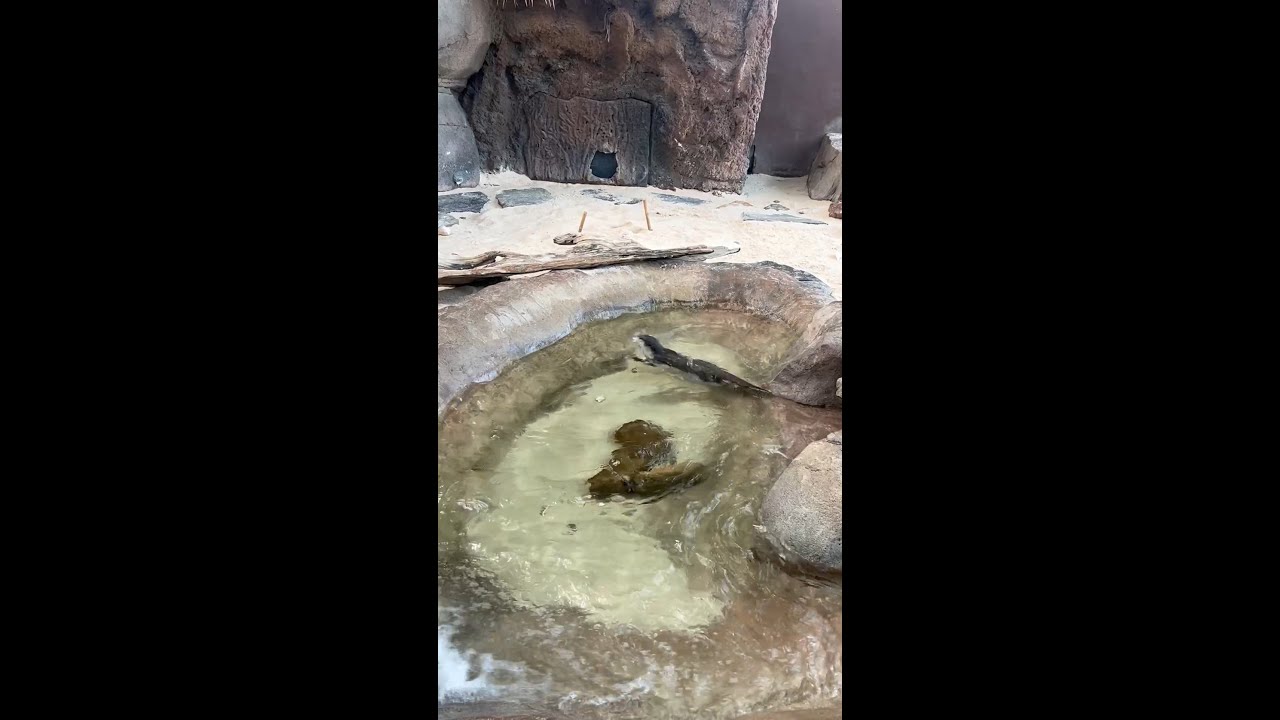
- Understanding the significance of Ray Ray swimming laps in the pool: behavior analysis and adaptation
- Zoological insights: anatomy, physiology, and unique features of Ray Ray
- Zoo management techniques to support aquatic creatures like Ray Ray
- Conservation efforts and the importance of public awareness in wildlife preservation
- The role of video documentation in enhancing wildlife education and conservation advocacy
Ray Ray, swimming laps in the pool, offers more than a captivating sight. It presents an opportunity to delve into the intriguing world of zoology and wildlife conservation. By understanding Ray Ray’s behavior and adaptations, we can gain valuable insights into the life and care of marine animals.
One crucial aspect to consider is the behavior of Ray Ray as he swims. This behavior isn’t just for exercise; it supports essential biological functions. Continuous swimming facilitates proper circulation, enhances metabolism, and aids in maintaining muscle tone. These laps mimic natural patterns of movement observed in the wild, which helps maintain both physical and mental health.
From a zoological perspective, understanding Ray Ray’s anatomy and physiology is vital. Ray Ray, belonging to a species like rays or skates, showcases unique adaptations for aquatic life. Their flattened bodies and wing-like pectoral fins enable efficient navigation through water. Moreover, specialized respiratory structures allow for effective gas exchange even while buried in sand, a common behavior in their natural habitat.
These creatures possess an incredible sense of electroreception, enabling them to detect electrical fields generated by other organisms. This adaptation is crucial for locating prey in murky waters. Furthermore, their dermal denticles reduce drag, enhancing swimming efficiency, which is a key factor while Ray Ray engages in laps around the pool.
Zoo management plays a significant role in supporting creatures like Ray Ray. Creating an environment that replicates their natural habitat is imperative. Water quality management, temperature regulation, and careful monitoring of dietary needs are essential factors that zoo professionals focus on. Enclosures are designed not only for the physical well-being of these animals but also for mental enrichment through various stimuli.
Behavioral enrichment programs are established to simulate hunting or foraging challenges. This engagement promotes cognitive development and prevents stereotypic behaviors, ensuring a flourishing life in captivity. Implementing consistent veterinary care, regular health assessments, and stress-free handling techniques further contribute to the welfare of aquatic species.
Wildlife conservation efforts are paramount in the modern age. Many species, including those related to Ray Ray, face threats from habitat destruction, pollution, and climate change. Conservationists work tirelessly to formulate strategies that aid in protecting these creatures. Public engagement through education and awareness campaigns is critical in fostering a conservation-minded society.
Organizations focus on habitat restoration, pollution reduction, and stringent fishing regulations to protect marine biodiversity. By highlighting individual stories like Ray Ray’s, these efforts can captivate the public’s imagination and inspire action. Conservation programs often collaborate globally, utilizing data sharing and unified strategies to combat threats on a larger scale.
Video documentation plays a vital role in enhancing education and advocacy. Capturing moments of Ray Ray swimming laps allows viewers to observe behaviors that aren’t easily accessible. Videos serve as educational tools to stimulate curiosity and impart knowledge about species’ habits and needs. They also act as a medium to convey the importance of conservation to a broader audience, encouraging participation and support.
In conclusion, Ray Ray swimming laps in the pool is not just a simple activity. It represents the intersection of behavior study, zoological science, effective zoo management, and active conservation efforts. Through understanding and action, we can contribute to the thriving futures of these remarkable creatures and their ecosystems.
*****
Source Description
We continue to rally around Ray Ray and are thankful for all your well wishes for him.
He’s been taking some laps around the pool and enjoying some special enrichment from the otter team.
