
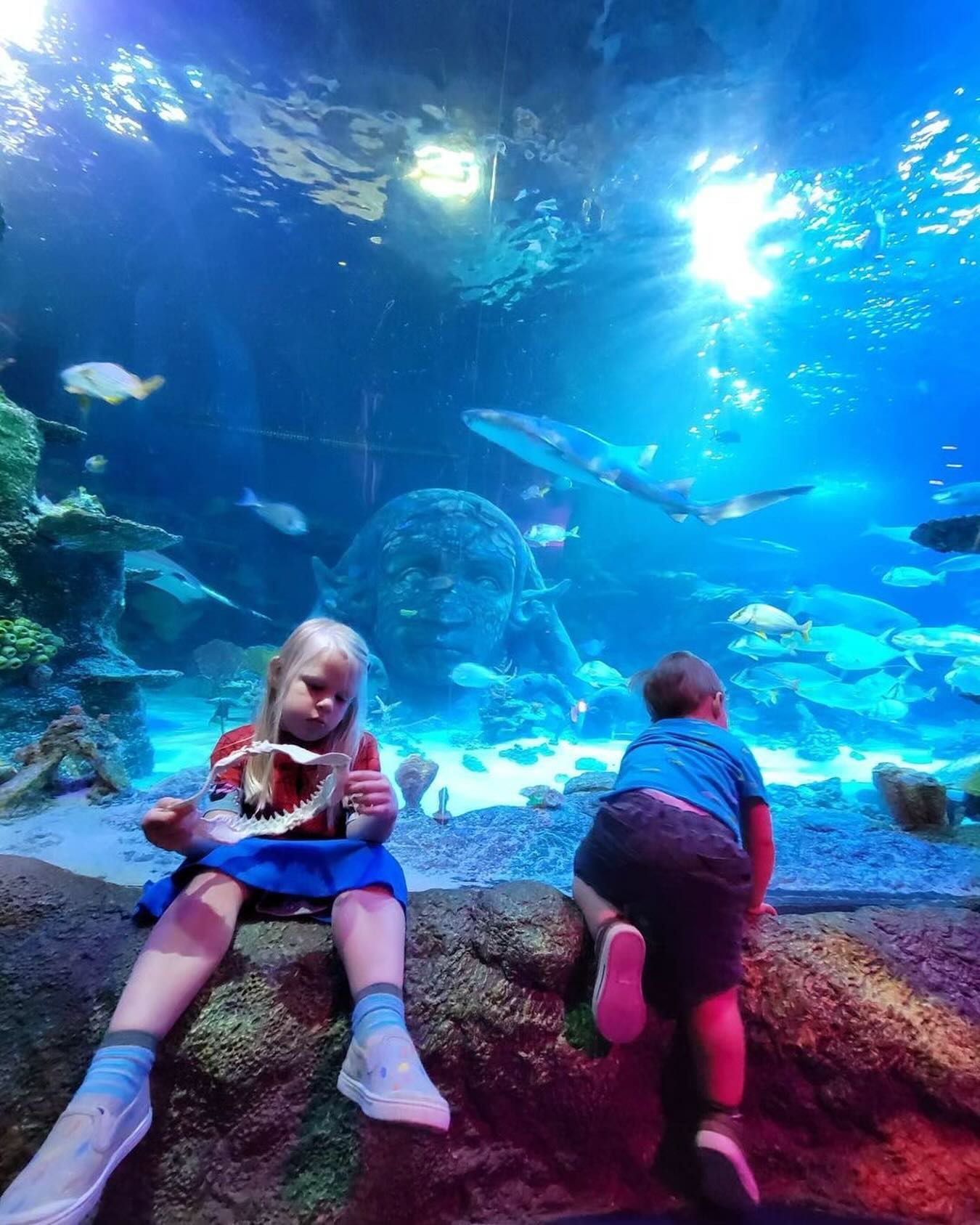
- Expert discussions about marine creatures and ecosystems
- Self-guided tours and engaging workshops for hands-on learning
- Innovative multimedia experiences like Shark Mission and Art Aquarium
- Behind-the-scenes tours led by experts to understand marine life better
- Insights into ocean conservation and the role of aquariums
Exploring under the sea is more than a thrilling adventure; it’s an opportunity to understand the complex ecosystems that thrive beneath ocean waves. Our oceans harbor a staggering diversity of life, and learning about these incredible species can deepen our relationship with nature. With initiatives ranging from expert dialogues to interactive workshops, there’s ample opportunity to engage in this underwater exploration.
Expert discussions about marine creatures and ecosystems provide attendees with a wealth of information. Marine biologists, ecologists, and oceanographers often present findings from current research, making the depth of the oceans relatable. They delve into the behavior and biology of various species, explaining the intricate details of their adaptations. For example, knowing how a clownfish interacts with sea anemones helps illustrate symbiotic relationships in marine environments. Moreover, these discussions often highlight the importance of biodiversity and the critical roles different species play in maintaining the health of ocean ecosystems.
In addition to expert talks, self-guided tours and workshops make learning engaging and interactive. Visitors can explore aquariums at their own pace, discovering everything from colorful coral reefs to bioluminescent creatures. Workshops, often led by knowledgeable staff or volunteers, offer hands-on experiences that can include everything from identifying local species to examining water quality. Such activities not only promote awareness but also empower participants with knowledge about conservation practices. For instance, learning about sustainable fishing can change one’s perspective on seafood choices and promote responsible consumer behavior.
Multimedia experiences, like Shark Mission and Art Aquarium, add another layer of engagement. Shark Mission blends gaming with marine education, immersing users in a virtual environment that simulates the challenges sharks face daily. Participants embark on a mission to protect these apex predators while learning about their importance in marine ecosystems. Likewise, Art Aquarium captures the fascination of marine life through stunning visual displays that integrate art and science. These multimedia experiences make information accessible, appealing, and memorable for visitors of all ages, enabling them to appreciate the wonders beneath the waves.
Behind-the-scenes tours conducted by aquarium experts offer a rare glimpse into the daily operations of marine facilities. These tours typically include visits to animal care areas, where guests can learn about the specific diets, habitats, and health assessments conducted for various species. Understanding how aquariums nurture and rehabilitate marine life is crucial for appreciating the conservation efforts in place. Such tours may also provide insights into the breeding programs for endangered species and how visitors can contribute to those future efforts.
In addition to education and entertainment, there is a persistent focus on ocean conservation in the context of aquariums. Several aquariums emphasize their roles in researching marine ecosystems and recovering endangered species. By investing in cutting-edge technologies and field research projects, they radically shift the narrative around aquatic life, moving toward more progressive conservation strategies. Understanding the significance of blue carbon ecosystems, such as mangroves and seagrasses, underscores the connection between health and biodiversity in marine environments. This connection is especially vital, given that climate change poses a growing threat to ocean ecosystems across the globe.
Aquariums actively participate in worldwide conservation initiatives, spotlighting their role in protective legislation regarding marine habitats. Programs aimed at reducing pollution, combating overfishing, and educating the public about climate impact are often highlighted. Through workshops and talks, visitors can learn how everyday choices can lead to significant changes in environmental stewardship and discussions surrounding marine sustainability.
Active engagement not only makes information look more appealing; it motivates individuals to become advocates for marine conservation. By showing how everyday actions link to the health of oceans, aquariums act as catalysts for change beyond their walls. Every poster, exhibit, and presentation is a reminder that everyone can contribute positively to ocean health.
For those seeking to explore under the sea, the available resources for learning and engendering passion for marine life are expansive. Expert speeches ignite curiosity, while self-led tours cater to varied learning styles. Multimedia exhibitions excite the senses, and behind-the-scenes access builds a deeper understanding. With each of these elements contributing to ocean literacy, critical awareness about the challenges facing marine ecosystems becomes more accessible.
Marine wildlife is not just an aspect of the ecosystem; it serves as a bellwether for the planet’s overall health. Knowledge about species like sea turtles and coral reefs informs our understanding of how climate change impacts marine environments. With coral bleaching events becoming more prevalent, discussions about conservation gains urgency. Workshops focusing on habitat restoration or species recovery can profoundly impact public awareness of these issues.
Moreover, the culture around aquariums has shifted. While once synonymous with entertainment, today’s marine facilities are increasingly recognized for their educational contributions. Engaging with marine creatures offers insights into their lives while simultaneously fostering empathy among visitors. Such experiences underscore the interconnectedness of life on Earth, regardless of whether it resides in the soil or under the sea.
The collective efforts of educators, scientists, and conservationists can inspire awe and motivate action. As individuals become more aware of the predicaments threatening marine ecosystems, interest in ocean conservation grows. Visitors leave inspired, often ready to advocate for sustainable practices both locally and globally.
In exploring under the sea, one embarks on a journey of discovery that can lead to everything from a newfound fascination with marine biology to a commitment to environmental activism. The combination of interactive experiences and expert insights sheds light on the rich tapestry of life that exists beneath the waves. As scientific understanding evolves, so does the commitment to protect our oceans and the creatures within them.
So if you feel the tug of the sea, there is no better time to join the exploration. Engage with marine experts, participate in dynamic workshops, and experience the magic of underwater life through multimedia platforms. Whether you are an ocean enthusiast, a casual visitor, or someone just starting to learn about marine conservation, the opportunity to delve into marine ecosystems is an invitation to contribute to a crucial cause. Take part in this adventure; the ocean awaits your discovery.
*****
Source Description
Are you ready to explore under the sea?
✅ Expert daily talks about our creatures
✅ Self-guided tours and workshops
✅ Multimedia experiences like Shark Mission and Art Aquarium
✅ Behind the Scenes tours at some of our aquariums, hosted by our experts and helping you uncover our creatures’ secrets
& more! Learn more about our oceans and the creatures in them.
📸: @caryn__h
📍 Michigan
