
- The importance of recognizing contributions in the zoological field
- Key categories of awards offered by AZA
- Highlights of past winners and their projects
- The impact of awards on conservation efforts
- How to apply for the AZA’s Honors and Awards
The zoological community plays a pivotal role in wildlife preservation, education, and research. Recognizing the hard work and dedication of teams within this field is essential for encouraging excellence and innovation. The Association of Zoos and Aquariums (AZA) offers a platform through its Honors and Awards to showcase outstanding projects that contribute to conservation, education, and community engagement. The recognition provided by AZA can inspire others in the field and elevate the standards of animal care and conservation practices.
The AZA’s Honors and Awards encompasses various categories designed to highlight different aspects of zoo and aquarium operations. These awards are an acknowledgment of the diverse spectrum of work being done across institutions. Categories include awards for conservation, research, education, and outstanding facilities. Each of these categories focuses on highlighting efforts that significantly impact wildlife and their ecosystems, while also engaging the public in educational programs.
The conservation award celebrates organizations that push the boundaries in wildlife preservation. Innovative approaches, such as habitat restoration projects that involve local communities, receive special attention. For instance, past winners have implemented unique breeding programs for endangered species that not only focus on animals in captivity but also integrate strategies for their reintroduction into wild environments. This multifaceted approach makes significant strides toward maintaining biodiversity and repairing ecosystems.
The research award acknowledges groundbreaking studies that contribute to the scientific understanding of animal behavior, health, or conservation. Many zoos partner with universities and conservation groups to conduct pivotal research projects that aim to solve pressing wildlife issues. One notable example includes a long-term study on the migratory patterns of a specific bird species, which resulted in new conservation strategies that directly benefited their populations. Such collaborative efforts serve as a cornerstone for advancing zoological science while also helping to inform effective management practices in the wild.
Similarly, education initiatives stand central to the mission of zoos and aquariums. Awards in this category recognize innovative educational programs that engage diverse audiences, from school children to adults. The aim is to foster a deeper understanding of wildlife conservation and the responsibilities humans share toward the environment. One innovative program that stands out involved a mobile education unit that traveled to underserved communities, providing hands-on experiences with wildlife and education about local ecology. Programs like these not only impart knowledge but also build lasting relationships between communities and their natural surroundings.
Facilities that embody the commitment to animal welfare and public engagement are equally deserving of recognition. The facility design awards honor zoos and aquariums that create environments that prioritize animal health, visitor experience, and educational impact. An example is a newly designed exhibit that utilizes naturalistic settings to mimic an animal’s wild habitat. Such spaces not only support the physical and mental well-being of the animals but also bring visitors closer to the behaviors and struggles these species face in the wild.
The AZA’s Honors and Awards also create a ripple effect in the field of conservation. When an institution receives recognition, it sparks enthusiasm and commitment to excellence among other facilities. This collective inspiration fosters collaboration and the sharing of knowledge, ultimately bolstering the efficacy of conservation efforts on a global scale. As teams become motivated by the achievements of their peers, the community as a whole can advance in protecting wildlife and their habitats.
Applying for the AZA’s Honors and Awards requires thorough preparation. Institutions interested in applying can do so until June 13 for the upcoming annual conference held in Florida. The application process involves submitting documentation of projects and initiatives, including statements detailing the impact of the work done. Institutions must provide evidence, such as metrics or testimonials, that demonstrate the effectiveness and significance of their contributions to zoology and conservation.
Applications are evaluated by panels of judges composed of experts in the relevant fields. These judges assess submissions based on criteria including innovation, impact, and sustainability. This rigorous evaluation process ensures that awarded projects represent the highest standards in zoological practices. The recognition from AZA serves not just as a badge of honor but also as a catalyst for ongoing improvement and creativity within the field.
In addition to motivating institutions, winning an AZA award enhances credibility among stakeholders, donors, and the public. It signals commitment to excellence in animal care, conservation, and community education. Many organizations find that receiving an award opens doors to additional funding opportunities and partnerships, enabling them to expand their initiatives further. Such external recognition underscores the value of involvement in the AZA community and strengthens efforts toward safeguarding wildlife.
Furthermore, engaging in this application process cultivates a culture of self-reflection and assessment. Institutions are encouraged to evaluate their projects critically, enabling them to identify strengths and areas for improvement. This introspection ultimately leads to better practices and the refinement of existing programs, which is beneficial for both animals and human audiences.
Participation in the AZA’s Honors and Awards can lead to establishing benchmarks for best practices within the field. When new methods, projects, and groundbreaking research are recognized, they can be adopted by other institutions, creating a domino effect that significantly enhances global conservation efforts.
Successful applicants are not just celebrated at the annual conference; they also gain a platform to share their experiences and insights with peers. This information exchange is invaluable for driving the field forward, inspiring creativity, and fostering collaboration. Organizations can learn about one another’s projects, thus cultivating an environment where innovation thrives.
The AZA’s Honors and Awards also shine a light on the necessity of community involvement in conservation. Many award-winning projects embody the notion that conservation efforts cannot succeed without public engagement. Collaborating with local communities and stakeholders is essential for fostering a sense of stewardship towards wildlife.
Team efforts deserve to be celebrated for their significant contributions to educational outreach, innovative research, and impactful conservation initiatives. This recognition not only affirms the value of such accomplishments but also serves as a motivating force for ongoing efforts within the field. By taking advantage of the opportunity to be recognized at this prestigious event, institutions showcase their dedication to wildlife conservation while inspiring a new generation of professionals to advance their efforts in zoology and animal welfare.
Whether it’s an exceptional research project, an inspiring education initiative, or the development of cutting-edge facilities, submission to the AZA’s Honors and Awards program stands as a beacon of commitment to wildlife and their future. Applying is a step toward furthering important conversations within conservation. It’s a chance to reflect on how teams have come together to effect positive change, making the need for recognition even more apparent. By participating, teams not only amplify their own achievements but also contribute to a collective vision for sustaining wildlife and improving public understanding of environmental stewardship.
Staying connected with peers and sharing knowledge become vital in this endeavor. Recognition helps inform others about innovative strategies, allowing them to benefit from the shared experiences presented at the annual conference. The discussions generated among honored teams ignite further collaboration and foster a community united in purpose.
For anyone in the field of zoology, the AZA’s Honors and Awards program represents an opportunity worth pursuing. As the deadline of June 13 approaches, teams across various institutions should prepare their submissions, outlining their diverse contributions to the field. This could be the moment to reflect on the hard work invested and to showcase those efforts on a national stage.
In an age where wildlife is increasingly threatened, such recognition fuels a commitment to excellence in conservation. The work done today sets the foundation for future generations of wildlife and ecosystems. As institutions rise to the occasion, the world is offered a glimpse of the remarkable initiatives striving to protect and preserve the biodiversity of our planet.
*****
Source Description
Your team’s efforts in the and field deserve to be recognized! 🏆 AZA’s Honors and Awards are an opportunity to showcase the incredible work happening at your institutions. 🎉 Whether it’s a groundbreaking research project, an impactful education program, or a new state-of-the-art facility, this is your chance to be celebrated!
📄 Apply now for a chance to be recognized at this year’s Annual Conference in Florida! Applications are open through June 13.
➡️ Visit our bio to learn more!
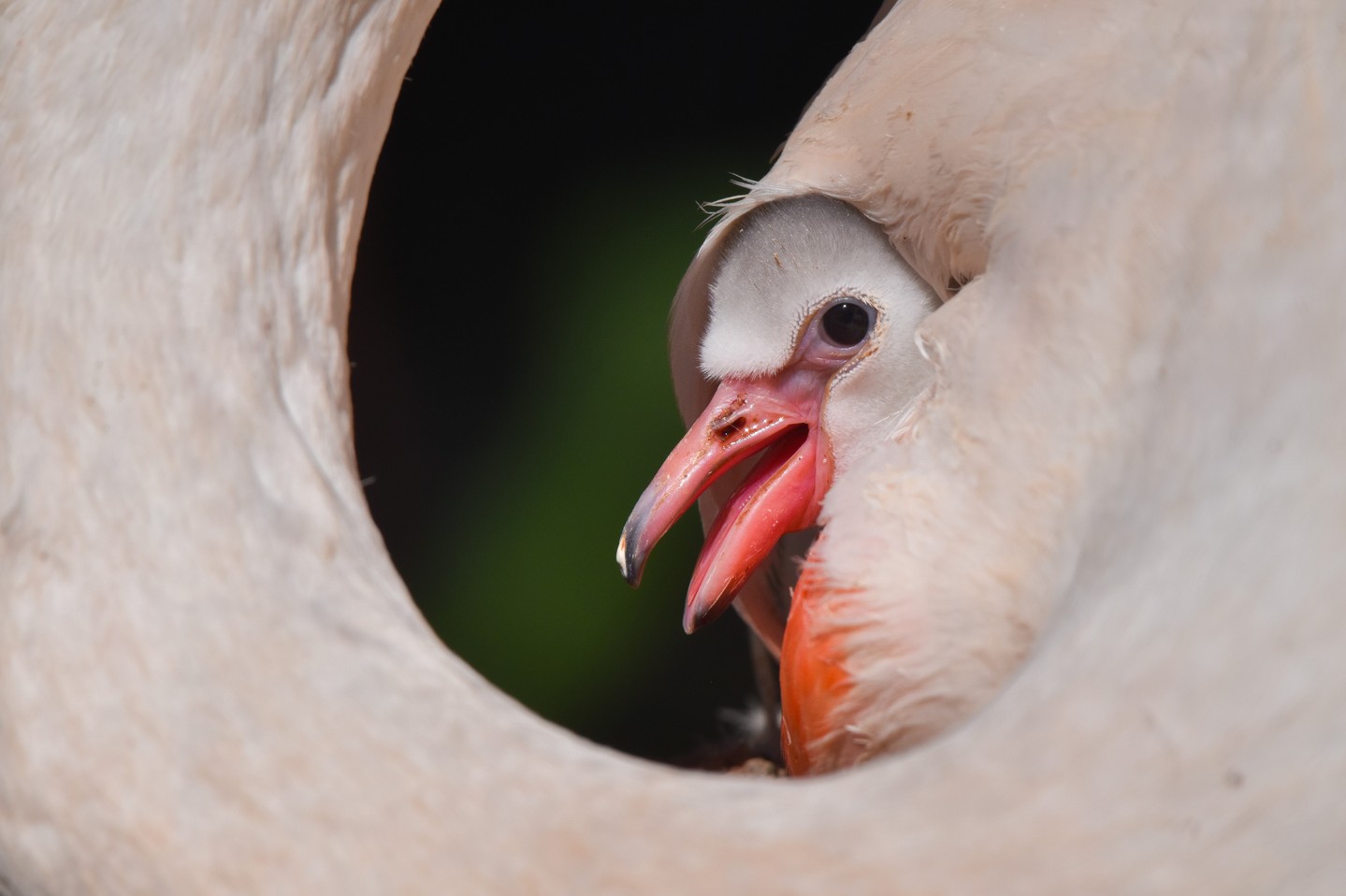
📸 Credit: @C.Gutierrez_Photography from @PhoenixZoo/Arizona Center for Nature Conservation
