
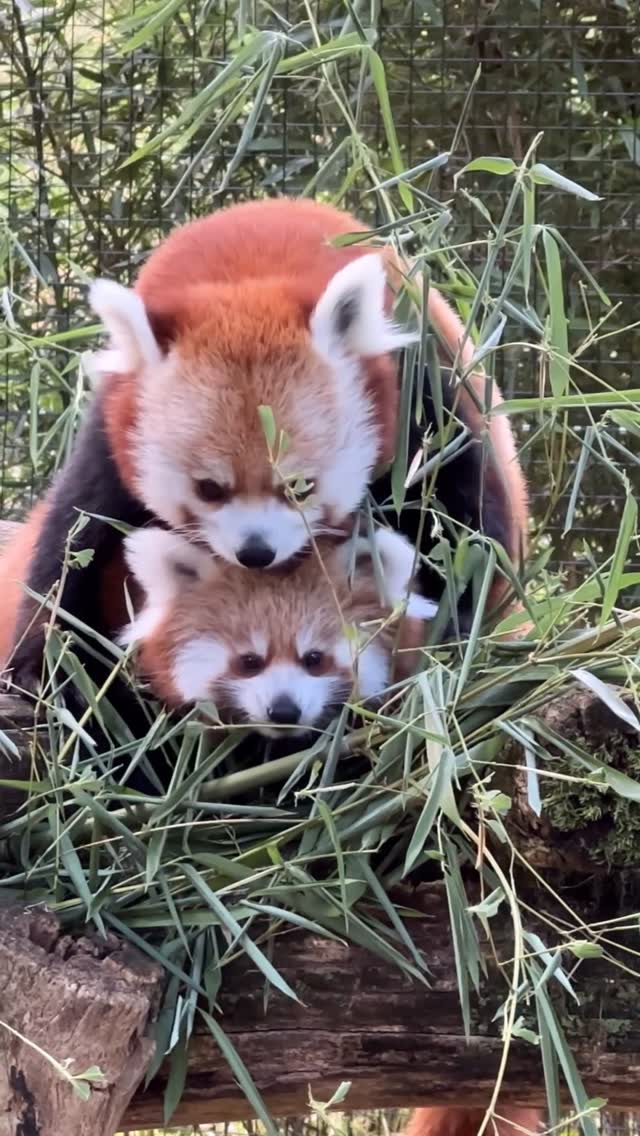
- Red panda behavior and development in early life stages
- The importance of maternal care in red pandas
- Bamboo as a primary food source and its significance in red panda nutrition
- Conservation status and threats facing red pandas
- Visitor engagement and educational opportunities at the zoo
Red Panda Ember, born just this past June, has started to explore her outside exhibit while staying very close to her mother, Lucy. This early exploration is crucial for Ember’s development and socialization. At this stage of her life, she is becoming more aware of her surroundings and beginning to exhibit natural behaviors, such as climbing and playing. These activities are vital for developing her motor skills and instincts.
Red pandas are solitary animals in the wild, but young cubs depend heavily on their mothers during their early months. Maternal care is essential for their survival, as mothers provide food, warmth, and protection. Lucy displays strong maternal instincts, closely monitoring Ember’s movements while encouraging her independence. Observing this nurturing behavior provides insights into the species’ natural habits, highlighting the importance of a supportive environment for young animals.
Bamboo plays a significant role in the diet of red pandas. While they belong to the carnivore family, their diet is primarily herbivorous, featuring bamboo as their main food source. Adult red pandas can consume between 20 to 30 pounds of bamboo daily. In the wild, they usually eat the leaves and shoots, which are rich in fiber but low in nutrients. As Ember begins to sample bamboo, she is also learning about food preferences and dietary habits that will be essential as she grows. Bamboo consumption contributes to strong dental health and helps maintain their digestive system.
Despite their captivating appearance and behavior, red pandas are classified as vulnerable on the IUCN Red List. There are several threats facing this species, including habitat loss due to deforestation and climate change. Fragmented habitats disrupt their movement and genetic diversity. Furthermore, poaching and the illegal pet trade exacerbate these issues. Understanding these challenges is critical for conservation efforts aimed at preserving red pandas in their natural environment. Education plays a vital role in this process, increasing awareness about the need for preservation and protective measures.
The zoo offers numerous ways for the public to engage with wildlife, allowing visitors to witness the enchanting behavior of Ember and her mother in real-time. The best viewing times are early and late in the day when red pandas are most active. By providing opportunities for direct observation, zoos foster a connection between visitors and animals, encouraging admiration and respect for wildlife.
In addition to in-person visits, viewers can watch Ember and Lucy 24/7 on live-streaming cameras. This provides an accessible way for audiences of all ages to learn about red pandas without visiting the zoo physically. Live streams allow for continuous observation and spur conversations about their conservation status, habitat needs, and dietary habits.
Beyond the charming sight of Ember’s playful nature and her sweet cooing sounds, red pandas represent a broader conservation narrative. Each species plays a role in maintaining ecological balance, and losing one can have cascading effects on the environment. As red pandas serve as a focal point for educational programs, initiatives aimed at their protection increasingly contribute to larger conservation efforts that benefit various species.
The impact of conservation programs is strengthened when individuals understand how their actions influence wildlife preservation. Educational talks and workshops provide insights into how even minor lifestyle changes can contribute to the sustainability of red panda habitats. Engagement at zoos creates advocates for wildlife, inspiring visitors to take part in conservation research, local environmental initiatives, and advocacy for policy changes favoring the protection of wildlife.
Signs of Ember’s growth are enticing for those seeking knowledge about wildlife development. From exploring her surroundings to learning through her interactions with Lucy, the red panda cub is a living embodiment of wildlife management practices. Assessing the parameters of her environment is essential for her adjustment and acclimatization, which can be studied through observation. Zoos prioritize this form of education to better inform visitors about animal behavior, community roles, and species-specific needs.
Ember’s journey reflects the challenges young wildlife face when becoming part of the broader community. As she adapts to her exhibit and develops her identity, she offers a glimpse into the complexity of animal behavior and the importance of a nurturing environment. With this knowledge, zoo professionals can apply best practices in animal care that promote well-being, fulfillment, and natural behaviors in captive settings.
As guests observe Ember’s interactions with her mother, it’s critical to emphasize that this bond is foundational for future socialization. These early months of life shape behavior that will ultimately relate to her experiences as an adult red panda. Pan-pans are known to engage in tactile and vocal communication with their mothers, and Ember is no exception. The sounds she produces, including adorable cooing sounds, indicate comfort and the relationship she shares with Lucy.
Zoo visitors witnessing these interactions become part of a larger community effort focused on education and conservation. By learning about the lives of red pandas and the challenges they face, visitors can participate in supporting organizations dedicated to wildlife preservation. Understanding the ecological importance of each species strengthens the collective commitment to wildlife protection and highlights the interconnectedness of all life forms.
The plight of red pandas extends beyond their immediate living conditions. The loss of habitat due to logging, agricultural development, and urbanization directly impacts their populations. Comprehending this, zoo staff are also dedicated to participating in habitat restoration projects that aim to return degraded forests to their natural state, fostering biodiversity.
Additionally, zoos collaborate with global organizations focused on red panda conservation. Efforts include breeding programs designed to maintain genetic diversity and reduce the risk of extinction. These programs provide a safety net for the species while simultaneously working towards habitat preservation. Each initiative takes part in a broader strategy integrating science, education, and community involvement.
Efforts aimed at educating local populations about sustainability and natural resource management play a vital role in preventing further encroachment on red panda habitats. By empowering communities to recognize the value of preserving native wildlife, the long-term survival of the species is more achievable. Solutions that combine economic growth with ecological stewardship may yield favorable outcomes, benefiting both local people and red panda populations.
Each visitor who engages with the story of Ember not only learns about red pandas but becomes part of a critical narrative shaping the future of wildlife conservation. As they witness her journey, they see their potential role in a shared mission to promote environmental responsibility. Educational content targeted to young audiences fosters a sense of stewardship, encouraging the next generation to prioritize wildlife welfare.
Ember’s exploration and development symbolize hope for a brighter future for red pandas and the wildlife community they represent. By sharing these experiences, the zoo helps bridge the gap between humans and nature, fostering respect and admiration for the intricate dynamics at play in our environment. The ongoing commitment to wildlife welfare and conservation is paramount for ensuring future generations experience the joy of connecting with species like Ember and her mother, Lucy.
Every interaction with red pandas offers a chance to reflect on our relationship with the natural world. By visiting the zoo or watching through live streams, individuals partake in an educational journey that supports a larger conservation initiative. The allure of watching red pandas, especially during important developmental stages, invites everyone to engage deeply with the reality of our planet’s wildlife.
As we consider the future, the importance of continued advocacy for red panda conservation remains paramount. Through education, research, and community involvement, everyone can be part of the solution to the challenges facing not only red pandas but all wildlife species at risk. Each effort contributes to a legacy of care that future generations can enjoy and nurture.
*****
Source Description
Red Panda Ember, born just this past June, has started to explore her outside exhibit while staying very close to her mother Lucy. Here they are this afternoon trying out some bamboo. Listen to those cute panda cooing sounds!
Come visit the zoo and you might get to see Ember in person. The best times are early and late in the day. We are open every day of the year from 9 till 5.
You can also watch the pandas on our live-streaming cameras, 24 hours a day. Check for the link in our bio.
@saferedpanda @redpandanetwork
