
- Introduction to Red Panda Stevie’s Move
- Crate Training and Positive Reinforcement Techniques
- Features of the Virginia R. Bartak Red Panda Passage
- The Importance of Enrichment and Natural Habitats in Zoos
- Broader Implications for Wildlife Conservation and Zoo Management
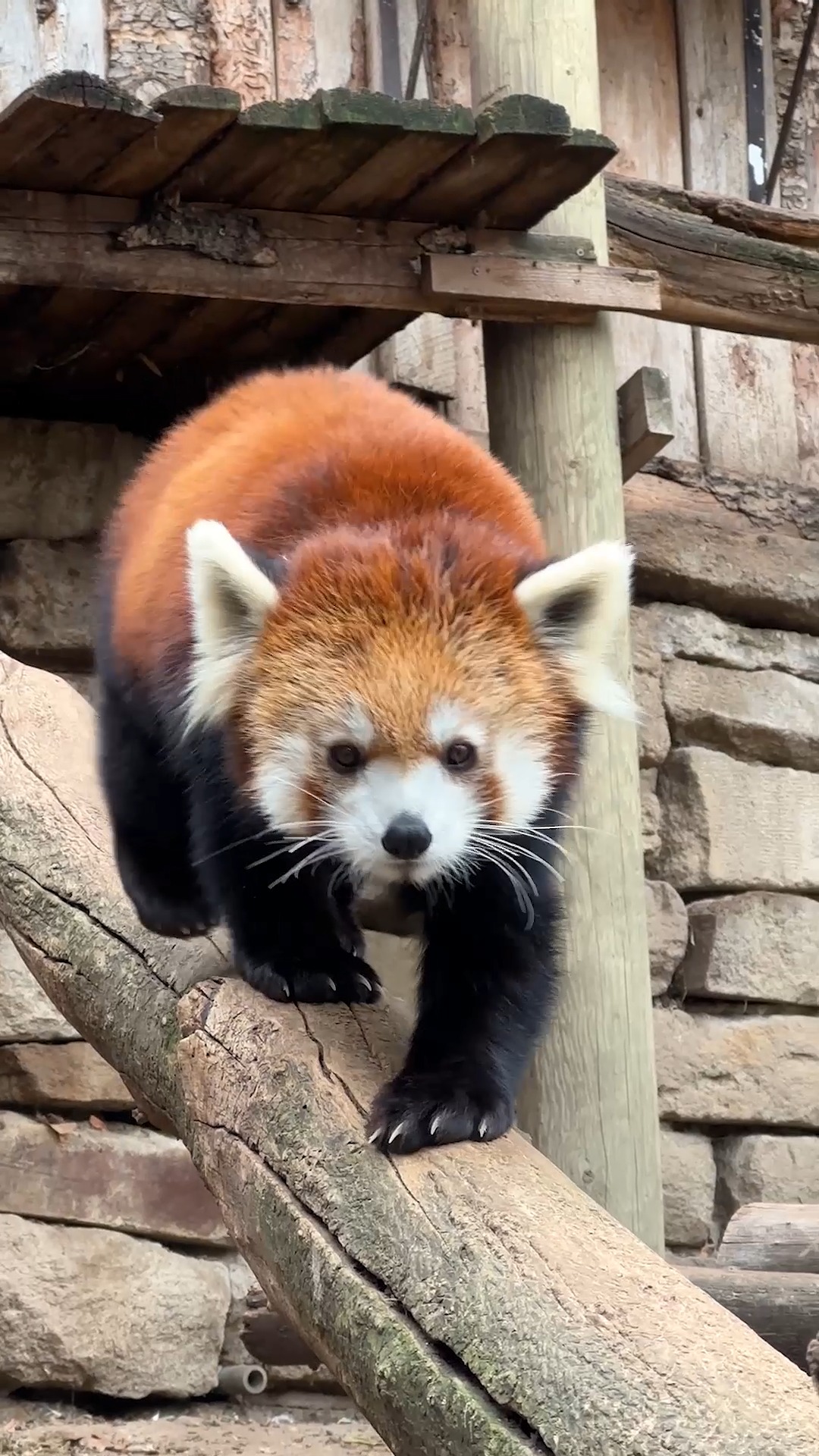
Red panda Stevie is preparing for a significant transition within Zoo Boise. This move is part of the unveiling of the new Virginia R. Bartak Red Panda Passage, scheduled to open next Wednesday, May 14. This development promises an enhanced environment, fostering both the well-being of the red pandas and the education of zoo visitors. The move is part of a broader strategy to enhance the living conditions of zoo inhabitants, aligning with modern conservation and advocacy practices.
Crate training is fundamental to facilitating this transition smoothly. Zookeepers, including Clint, utilize positive reinforcement to encourage Stevie and Jasper to enter the crates willingly. By rewarding cooperative behavior, the stress commonly associated with transportation is minimized. This practice underscores the scientific understanding that stress affects animal health, and efforts to mitigate these impacts are crucial for maintaining the pandas’ welfare.
The Virginia R. Bartak Red Panda Passage is set to transform how visitors and red pandas interact. This new habitat features expansive outdoor areas, innovative climbing structures, and overhead passageways. These elements replicate the pandas’ natural environment and engage them physically and mentally. This immersive design not only benefits the red pandas through enrichment but also offers visitors a chance to observe these creatures in a setting that mimics their natural behaviors.
The design of zoo habitats like the Red Panda Passage illustrates the importance of creating environments that promote both physical health and mental stimulation for animals. By mimicking natural habitats, zoos can improve animal welfare and educate visitors on the importance of habitat preservation. This reflects a growing trend in zoo management: leveraging scientific research to develop exhibits that support the needs of animals and allow guests to experience these creatures in a more authentic manner.
Stevie’s upcoming move is emblematic of larger trends in wildlife conservation and zoo management. It highlights the ongoing evolution towards creating environments that prioritize animal well-being and conservation education. This shift is crucial for the sustainability of species like red pandas, which face numerous challenges in the wild due to habitat loss and climate change. By witnessing the zoos’ efforts to replicate natural habitats, visitors are better educated on the necessity of conserving these species and the ecosystems they inhabit.
Zoo Boise’s dedication to improving animal habitats and engaging visitors serves as a model for modern zoo management. Through thoughtful planning and execution, the zoo not only enhances the lives of its animals but also fosters a greater understanding of the importance of conservation efforts worldwide. The unveiling of the Virginia R. Bartak Red Panda Passage is a testament to this commitment, illustrating how zoos can play a pivotal role in global conservation strategies.
*****
Source Description
Red panda Stevie is getting ready for a big move to the other side of Zoo Boise — our new Virginia R. Bartak Red Panda Passage opens next Wednesday, May 14!
To make transport as stress-free as possible for Stevie [and Jasper], zookeepers, like Clint, are crate training using positive reinforcement. Then, our red pandas will walk in on their own when it’s time to move.
The new Red Panda Passage will feature multiple outdoor yards, climbing structures, and overhead walkways for red pandas to explore — and for guests to experience them like never before.
