
- The Red River Zoo’s Announcement and Charlotte’s Legacy
- Understanding Dutch Belted Cows and Their Role in Zoos
- The Importance of Animal Welfare and Longevity in Zoos
- Animal Conservation and the Role of Zoos
- Engaging with Zoo Education and Public Awareness
The Red River Zoo’s Announcement and Charlotte’s Legacy
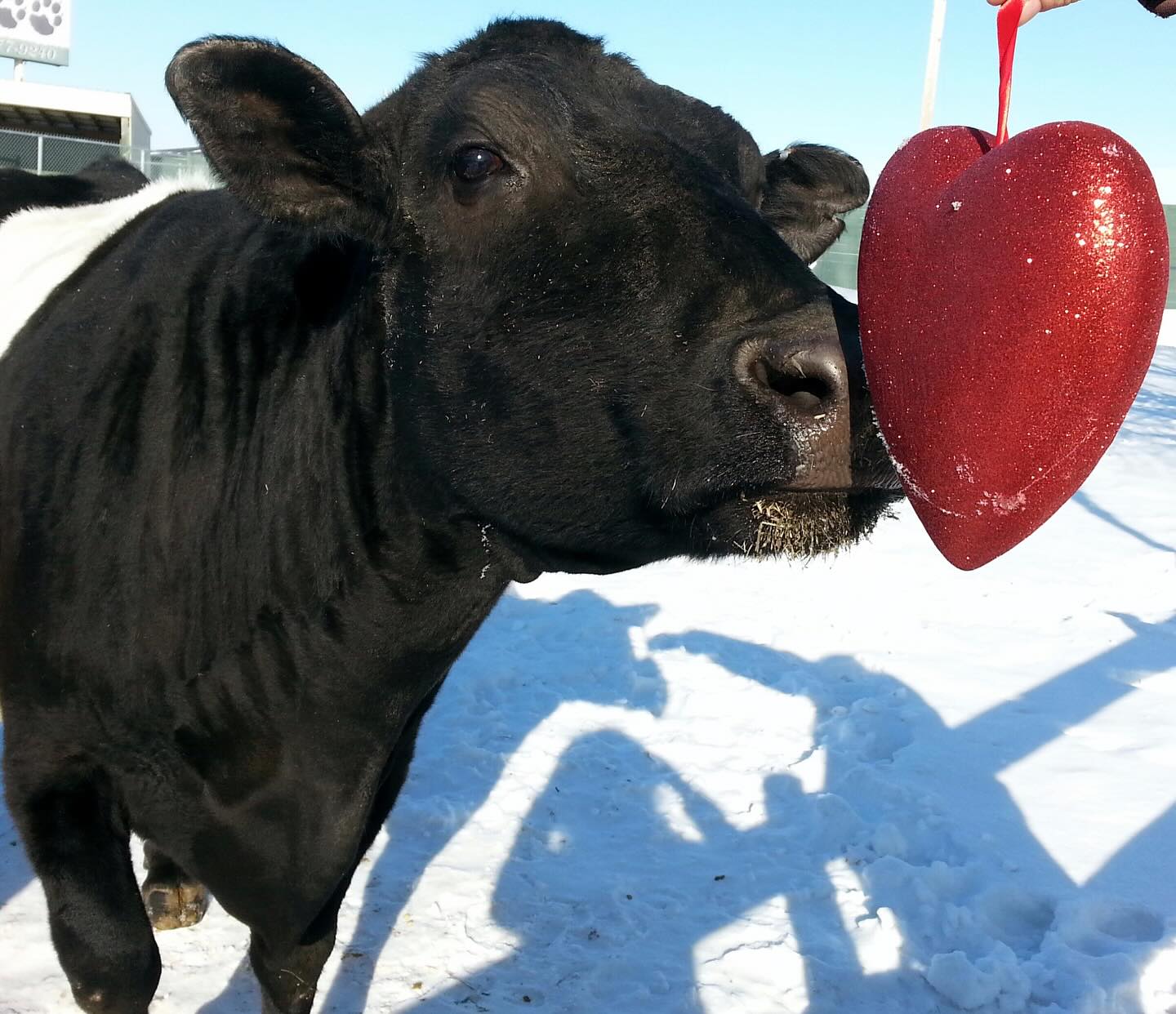
The recent announcement from the Red River Zoo regarding the passing of Charlotte, a cherished Dutch Belted cow, marks a significant moment for the zoo community. At nearly 21 years old, Charlotte was not just an exhibit but a beloved family member to both staff and visitors. Her gentle demeanor and approachable nature made her a favorite, creating lasting impressions on those who had the opportunity to interact with her.
Zoos play an essential role in educating the public about various species while providing a space where animals can live comfortably and thrive. Charlotte symbolizes more than just an attraction; she represents the strong human-animal connection fostered in such environments. Her legacy is a testament to the impact individual animals have on educational outreach and interpersonal connections within zoos.
Understanding Dutch Belted Cows and Their Role in Zoos
Dutch Belted cows are a rare breed known for their distinctive black and white belt-like markings. Originating from the Netherlands, these cows are appreciated for their unique appearance and historical significance. They are not just agricultural assets but also key figures in biodiversity discussions due to their rarity.
In zoos, Dutch Belted cows help bridge the gap between the public and topics related to agriculture, conservation, and biodiversity. By displaying these cows, zoos can educate visitors about the importance of preserving rare breeds and the role these animals play in ecosystems and human history. Charlotte’s presence at the Red River Zoo provided an accessible platform for discussing issues of genetic diversity and the importance of preserving such breeds.
The Importance of Animal Welfare and Longevity in Zoos
Animal welfare is paramount in modern zoological practices. Charlotte’s long life at the Red River Zoo is indicative of the care and attention she received, reflecting the broader commitment zoos have towards ensuring the health and wellbeing of their residents. Factors such as diet, habitat design, veterinary care, and social enrichment significantly contribute to the overall happiness and longevity of zoo animals.
The advancements in veterinary care and habitat design tailored to meet the specific needs of different species are vital. Charlotte’s nearly 21-year lifespan highlights these advancements and paints a broader picture of the ongoing efforts to create environments that promote long, healthy lives for zoo animals. Her story underlines the success of these practices and offers a model for future improvements in zoo management and animal care.
Animal Conservation and the Role of Zoos
Zoos have evolved beyond places for public entertainment; they are now critical players in conservation efforts worldwide. They provide refuge for endangered species, facilitate breeding programs, and raise public awareness about the importance of wildlife conservation. Through collaborative efforts with conservation organizations, zoos contribute both financially and scientifically to the preservation of biodiversity.
Charlotte’s role at the Red River Zoo was part of these broader conservation endeavors. While Dutch Belted cows are not endangered, their presence in zoos underscores the importance of conserving genetic diversity. Zoos act as guardians of both popular and lesser-known species, promoting a holistic approach to global conservation challenges. This approach helps in educating the public and garnering support for conservation initiatives.
Engaging with Zoo Education and Public Awareness
Education is a cornerstone of zoo missions, aimed at creating awareness and inspiring action on wildlife conservation issues. Through interactive exhibits and educational programs, zoos like the Red River Zoo engage visitors, fostering a sense of responsibility and curiosity about the natural world.
Charlotte’s life at the zoo provided countless educational opportunities. By interacting with her and learning about her breed, visitors gained insights into agricultural history, animal behaviors, and conservation efforts. Engaging the public is crucial in building a society that values and works toward ecological sustainability. Zoos serve as vital educational resources that complement traditional academic learning with real-world experiences.
In conclusion, Charlotte’s passing at the Red River Zoo is a moment to reflect on the significant role animals play in our education and awareness of the natural world. Her life exemplifies the enduring connections formed between humans and animals and the ongoing commitment to conservation and welfare in zoological settings. The lessons learned from her presence will continue to inspire future conservation and educational efforts, ensuring the zoo remains a vibrant platform for learning and discovery.
*****
Source Description
It is with a heavy heart that the Red River Zoo announces the passing of Charlotte, our beloved Dutch Belted cow, who was nearly 21 years old. Charlotte lived a long, healthy life here at the Zoo and was a favorite among guests and staff alike.
Known for her gentle personality and charming presence, Charlotte was a treasured member of our Zoo family. Many of you created wonderful memories with her over the years.
She will be missed by both staff and visitors. 🤍
