
- Importance of South Texas ocelot conservation efforts and their role in biodiversity
- The Ocelot Run event and its impact on raising awareness and funds
- Challenges facing ocelot populations, including habitat loss and human interference
- Strategies for successful zoo management and wildlife conservation
- The collaborative role of community engagement and scientific research in wildlife preservation
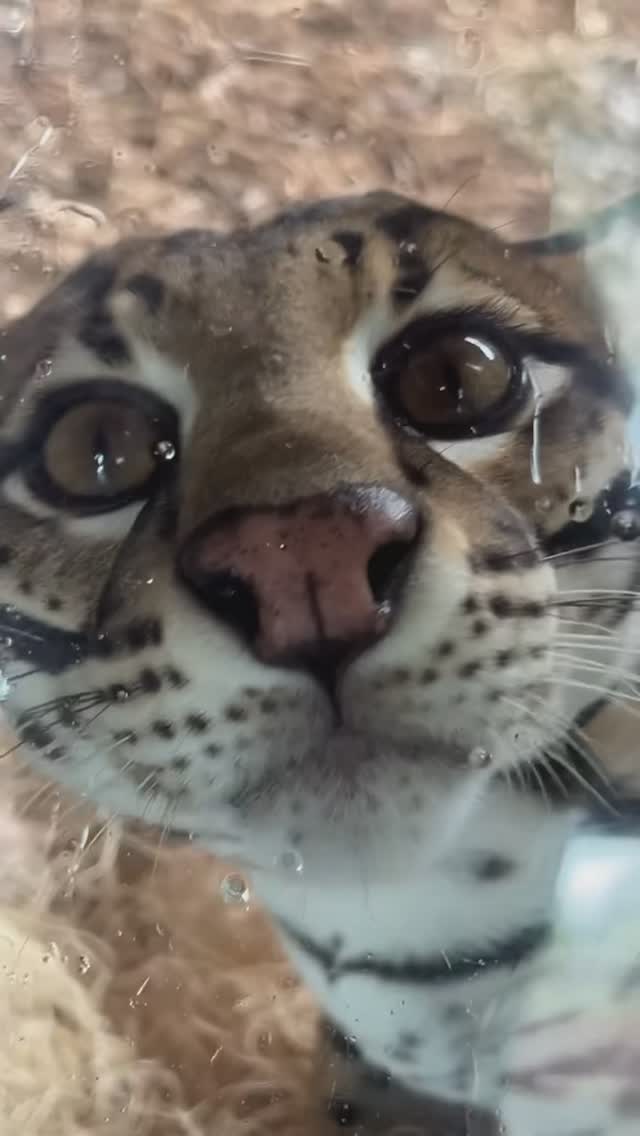
South Texas is home to the endangered ocelot, a small, elusive cat known for its striking dappled fur and keen hunting skills. As human activities encroach upon their habitats, ocelots face survival challenges, making conservation efforts crucial. Understanding the ocelot’s role in biodiversity and the threats they encounter is vital for their preservation.
Conservation efforts hinge on understanding the unique ecological role ocelots play. These carnivores help control populations of small mammals and birds, contributing to a balanced ecosystem. Despite their importance, ocelot numbers have dwindled due to habitat destruction resulting from urban sprawl and agricultural expansion. Protecting their habitats involves preserving corridors of native vegetation that facilitate movement and genetic diversity.
One innovative approach to conservation awareness is the Ocelot Run, a community-focused event designed to raise funds and educate the public. Participants can choose between a 5k run or a 1-mile walk, symbolizing the journey these cats make through South Texas landscapes. Proceeds go toward habitat restoration and education programs, directly supporting local ocelot populations. Engaging community members in this manner fosters a personal connection to wildlife conservation, encouraging sustained action and support.
Various factors threaten the ocelot’s existence. Habitat fragmentation isolates populations, leading to inbreeding and reduced genetic health. Roads pose significant risks, with vehicle collisions accounting for high mortality rates. Conservation organizations work tirelessly to mitigate these risks through initiatives like wildlife corridors and underpasses. These structures allow safe crossings, decreasing roadkill and promoting genetic flow among groups.
Effective zoo management plays a crucial role in conservation initiatives. Zoos not only foster public interest but also serve as centers for research and breeding programs. By understanding ocelot behaviors and needs, zoologists can develop strategies that enhance survival odds in the wild. Collaborative efforts between zoos and wildlife agencies enable sharing of resources and knowledge, improving conservation outcomes.
Community involvement and scientific research are cornerstones of wildlife preservation. Local communities offer invaluable insights and support, enhancing conservation initiatives. Programs that incorporate citizen observations and data collection aid in monitoring ocelot populations, providing real-time information that can inform conservation strategies. Additionally, scientific studies contribute to understanding habitat requirements and reproductive success, guiding future actions.
Education and engagement efforts must be ongoing. Informative campaigns that highlight the ocelot’s plight and promote sustainable practices can reduce human-wildlife conflicts. Schools, media, and local events should emphasize the importance of biodiversity and the role individuals play in protecting it. These initiatives form the backbone of a concerted effort to safeguard South Texas ocelots for future generations.
Overall, comprehensive conservation strategies require a multifaceted approach that includes habitat preservation, community engagement, and scientific research. By participating in events like the Ocelot Run and supporting conservation initiatives, individuals contribute significantly to the survival of this endangered species. An informed public, alongside dedicated scientists and policymakers, can ensure the continued existence of ocelots in South Texas, securing their place in our natural heritage.
*****
Source Description
You know you want to.
Support South Texas ocelot populations by registering for the Ocelot Run 5k/1 mile at the
