
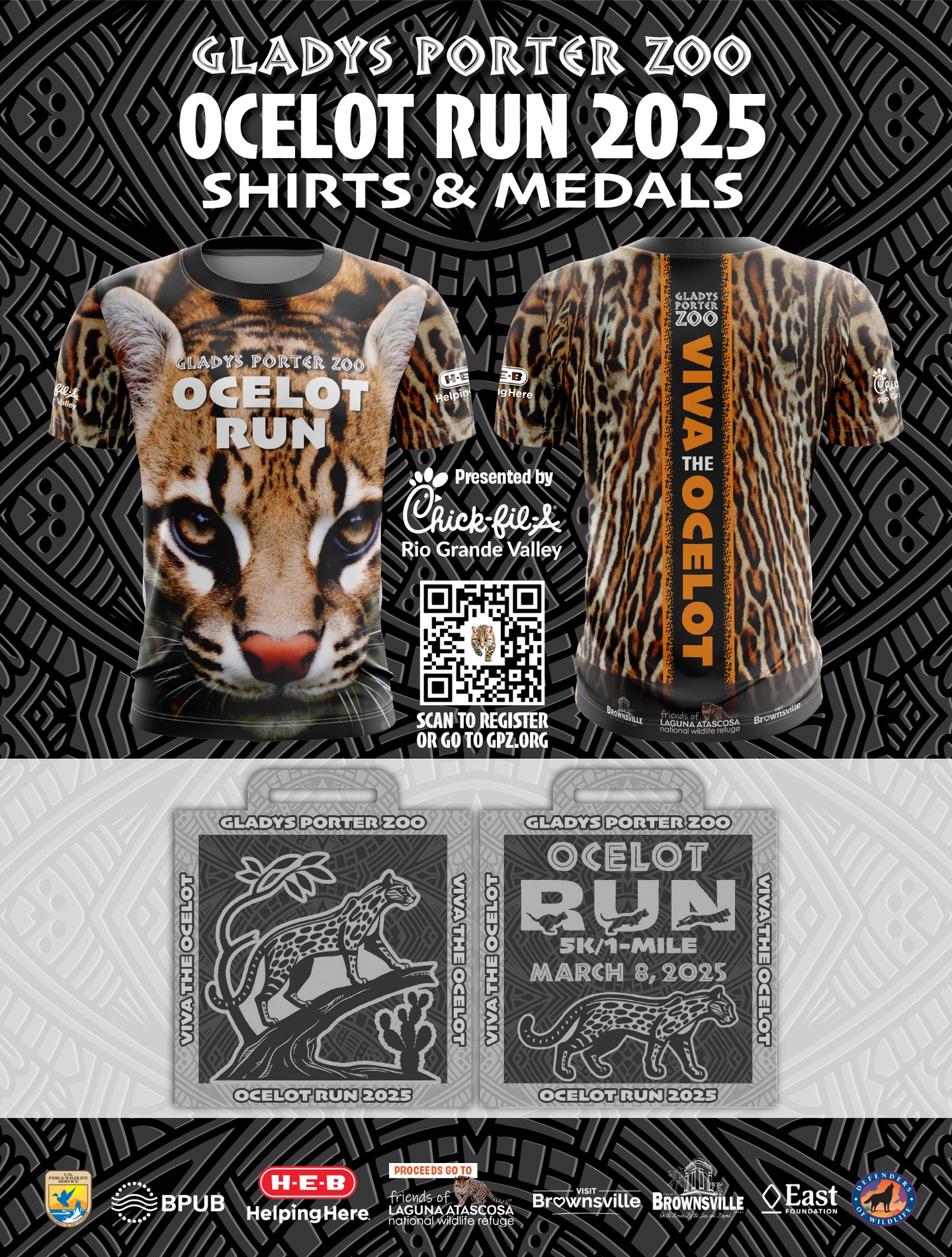
- The significance of early registration for events like the 2025 Ocelot Run 5k/1 mile.
- Understanding the habitat and conservation status of the ocelot, an essential subject for wildlife enthusiasts.
- The importance of engaging in conservation-focused community events.
- The role of wildlife conservation in protecting species like the ocelot.
- Insights into zoo management practices that support species like the ocelot in captivity and in the wild.
Participating in events like the 2025 Ocelot Run 5k/1 mile is not just about fitness; it’s a commitment to wildlife conservation. Early registration provides participants a chance to secure their preferred t-shirt size and ensures they are part of a broader community effort to support exotic wildlife. Wearing event merchandise is not just about aesthetics; it’s a symbol of unity and awareness for a cause that matters.
Ocelots, known scientifically as Leopardus pardalis, inhabit areas ranging from Texas throughout Central and South America. These medium-sized, nocturnal cats are renowned for their striking coat patterns, which have sadly made them targets in the illegal fur trade. Conservation efforts are crucial to protect their shrinking habitats, fragmented due to agriculture and urban development. The Ocelot Run aims to raise awareness and funds to support these endeavors, reminding us that saving species in the wild requires active participation.
Connecting local communities with wildlife conservation efforts creates a ripple effect, encouraging broader environmental stewardship. Events like the 2025 Ocelot Run 5k/1 mile don’t just raise funds; they foster awareness about the ecological roles these animals play. The ocelot, a key predator in its ecosystem, helps maintain the balance by controlling the populations of smaller animals. Highlighting these elements educates participants and promotes responsibility towards maintaining biodiversity.
Protecting species like the ocelot is part of a larger conservation conversation. Zoos and wildlife organizations play an essential role in breeding programs that aim to increase population numbers and genetic diversity. These programs often include research partnerships that further our understanding of animal behaviors and habitats. Beyond the walls of zoo enclosures, conservationists work tirelessly in the field, ensuring the survival of these beautiful creatures.
Zoo management practices are crucial for the wellbeing of species like the ocelot. They provide not only a sanctuary but educational opportunities for the public. Responsible management includes habitat enrichment, mental and physical stimulation, and proactive veterinary care. These factors contribute to animal health in captivity and can significantly impact conservation strategies for those in the wild. Zoos act as custodians, showcasing their role in global conservation efforts and educating future generations.
By engaging in the 2025 Ocelot Run, participants contribute to global conservation initiatives, increasing public understanding of the ocelot’s plight. The event highlights the importance of community involvement and the impact of individual actions on preserving species. This engagement isn’t just conservation in action; it’s a step towards a more knowledgeable, proactive society. Participants leave with more than memories; they carry the responsibility of being stewards of the Earth, committed to preserving its wonders.
*****
Source Description
Don’t forget to register by TODAY to secure your preferred t-shirt size for the 2025 Ocelot Run 5k/1 mile!
Every runner will also receive this beautiful finisher medal which features an ocelot in its native habitat.
Follow the to register 🐾
