
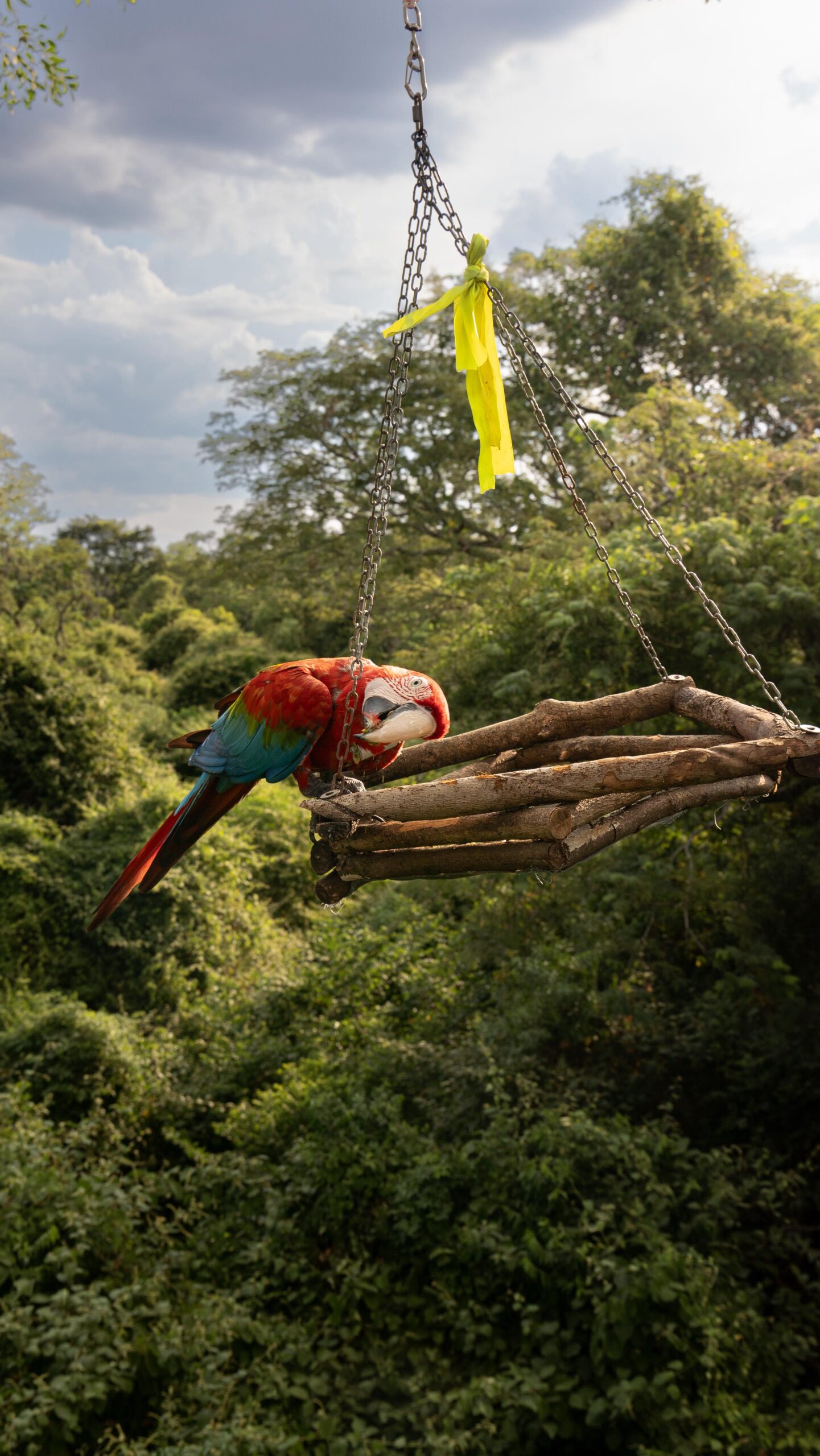
- The significance of restoring the extinct red macaw in Argentina.
- Challenges faced during the reintroduction process.
- The importance of a specialized training stage for macaws.
- The development of an inter-institutional network for conservation.
- The four pillars determining readiness for a free life.
The reintroduction of the red macaw in Argentina marks a pivotal moment in conservation efforts. This vibrant bird, once native to the region, disappeared from its habitat due to factors like deforestation and illegal trapping. The loss of such a species carries profound implications for biodiversity and ecosystem balance. In response, various agencies and organizations have collaborated to bring the red macaw back, showcasing the potential for recovery in species conservation.
Restoring an extinct species is not a trivial endeavor. A multitude of challenges arises at each step of the process. First, assessing the habitat is crucial. The original ecosystem must be scrutinized to determine if it can support the returning macaws. Environmental factors, such as available food sources and nesting sites, play a significant role. Without a suitable environment, even the best intentions can lead to failure.
Additionally, behavioral traits need to be considered. Birds that have been bred in captivity often lack the skills necessary to survive in the wild. Macaws, for instance, have social structures and behaviors crucial for their survival. These traits can only be cultivated in a naturalistic setting. Thus, creating a specialized training phase is vital. This training aims to impart essential skills, such as foraging, avoiding predators, and interacting with their kind.
Key to the success of this initiative has been the formation of an inter-institutional network. Various organizations—including governmental bodies, non-profits, and conservation groups—have joined forces. This network works collaboratively to pool resources, knowledge, and manpower. Ensuring the long-term survival of the species requires coordinated efforts at multiple levels. People from various fields, including veterinary medicine, ecology, and education, contribute their expertise.
Central to this effort are four pillars that determine when a macaw is ready for release into the wild. Each pillar has been meticulously developed to ensure the birds are fully prepared. The first pillar focuses on physical health. Birds must undergo thorough health screenings to rule out diseases that could threaten their survival or affect local wildlife.
The second pillar concerns behavioral training. This involves exposing the macaws to natural environments where they can practice essential survival skills. They learn to recognize predators, find food, and interact with other macaws. This experience is critical, as it prepares them to navigate the challenges they will face once released.
The third pillar relates to socialization. Red macaws are known for their social structures. In captivity, they need opportunities to interact with their kind to form bonds similar to what they would have in the wild. Socialization also helps them learn communication skills, critical for establishing dominance and forming mating pairs in the future.
The fourth and final pillar involves a gradual release process. Birds are not set free all at once. Instead, they are placed in an enclosed area that mimics their natural habitat. This allows them to adapt to environmental conditions while still being monitored. Gradually, as they become more comfortable and demonstrate vital survival behaviors, they are allowed to venture into the wider world.
This multifaceted approach is essential for maximizing the chances of success. Every detail counts in fostering a species that has faced the threat of extinction. The collaboration among organizations reflects a committed effort to revive the red macaw and other species at risk. By prioritizing conservation, we can safeguard biodiversity and promote healthier ecosystems in Argentina and beyond.
Combatting extinction is more than merely bringing back a single species. It requires an understanding of interdependence in ecosystems. The reintroduction of the red macaw could have positive ripple effects in its habitat. These birds play roles as seed dispersers, helping plants thrive and promoting genetic diversity. Thus, their return can benefit a range of species and overall ecosystem health.
Moreover, conservation initiatives such as this can raise public awareness of the importance of biodiversity. Engaging the community helps foster a spirit of stewardship. When people understand their role in protecting wildlife and habitats, collective actions can lead to greater support for conservation efforts. Awareness can drive policy changes, funding, and volunteer initiatives—all vital for sustaining long-term conservation strategies.
The success of the red macaw project reflects an evolution in conservation strategies. Over time, the focus has shifted from merely preserving isolated pockets of wildlife to integrating these efforts into broader ecological contexts. It emphasizes a dynamic understanding of ecosystems, recognizing that every species plays a part.
Professionals involved in these initiatives often emphasize the combination of scientific research and community involvement. The best conservation strategies, they argue, balance technical expertise with local knowledge, fostering solutions that resonate with the communities affected. This integration enhances the commitment to conservation and creates a sense of ownership.
As the process unfolds, monitoring and adaptive management become key. Wildlife experts routinely assess the success of each reintroduction effort. They collect data on the birds’ behavior, health, and interactions with the ecosystem. Such information is invaluable for refining future efforts. By continually learning and adapting, conservation can become more efficient and targeted.
The collective commitment to reviving the red macaw showcases the resilience of nature and human determination. Each restoration project contributes to the broader narrative of species recovery, resilience, and environmental health. By fostering interdisciplinary collaboration, conservationists increase their chances of creating meaningful change.
Advancements in technology also play a crucial role in these initiatives. Utilizing tracking devices allows researchers to monitor the health, movements, and behaviors of the reintroduced macaws. This real-time data collection aids in understanding how reintroduced individuals adapt to life in the wild. It helps refine management techniques based on observable behaviors.
In addition to technology, public engagement is essential in sustaining awareness and support. Educational programs aimed at local communities foster a better understanding of the significance of biodiversity. Information campaigns aimed at schools, community organizations, and social platforms keep the discussion alive. Engaging narratives about the red macaw and its return help inspire future generations to care for their natural environment.
Each partner in the inter-institutional network plays a unique role. Government agencies may provide regulatory support, while nonprofit organizations often lead public awareness campaigns. Research institutions may contribute scientific expertise. In this complex ecosystem of conservation efforts, every agency’s input is crucial to skillfully navigating the challenges.
The big picture of this conservation effort extends beyond restoring a single species. It highlights the need for multi-species protection and ecosystem preservation. The approach taken with the red macaw could offer valuable lessons as conservationists tackle other species on the brink of extinction. This journey illustrates the interconnectedness needed in wildlife conservation, calling for collective action across various fields.
As the red macaw takes its first flight into the wild once again, it symbolizes hope and resilience. This bird cannot only inspire conservationists to push forward in their endeavors but also serves as a reminder of the fragility of ecosystems. Protecting biodiversity is not confined to one project but encompasses a broader responsibility. Through teamwork, technology, and community involvement, the dream of restoring lost species is becoming a tangible reality, one that fosters biodiversity and promotes a harmonious coexistence with nature.
This ambitious reintroduction and conservation effort reflect what is possible when passion meets science. Each step taken to safeguard the red macaw contributes not just to this specific species but to the health and vitality of the regions it inhabits. Efforts like this underscore the importance of protecting wildlife and demonstrate that the path to recovery, while challenging, is achievable.
*****
Source Description
Traer de vuelta por primera vez a un ave extinta en el país, implicó grandes desafíos.
El regreso del guacamayo rojo exigió crear una etapa de entrenamiento específica y la formación de una red interinstitucional de colaboradores que trabajan para asegurar la conservación de la especie a largo plazo en Argentina.
En la parte III vamos a compartir cuáles son y cómo se desarrollaron los cuatro pilares establecidos, que nos indican cuando un guacamayo está listo para vivir en libertad.
Video y fotografía: @lucindadimartino
@gobiernocorrientes
@parquenacionalibera
@parqueiberacorrientes
@parquesnacionalesar
@fundaciontemaiken
@ecoparqueba
@parquedelabiodiversidadcba
@bioparque.lamaxima
@campobiancofundacion
@reservahorcomolle
@parquepericos
@policiaambientalcba
