
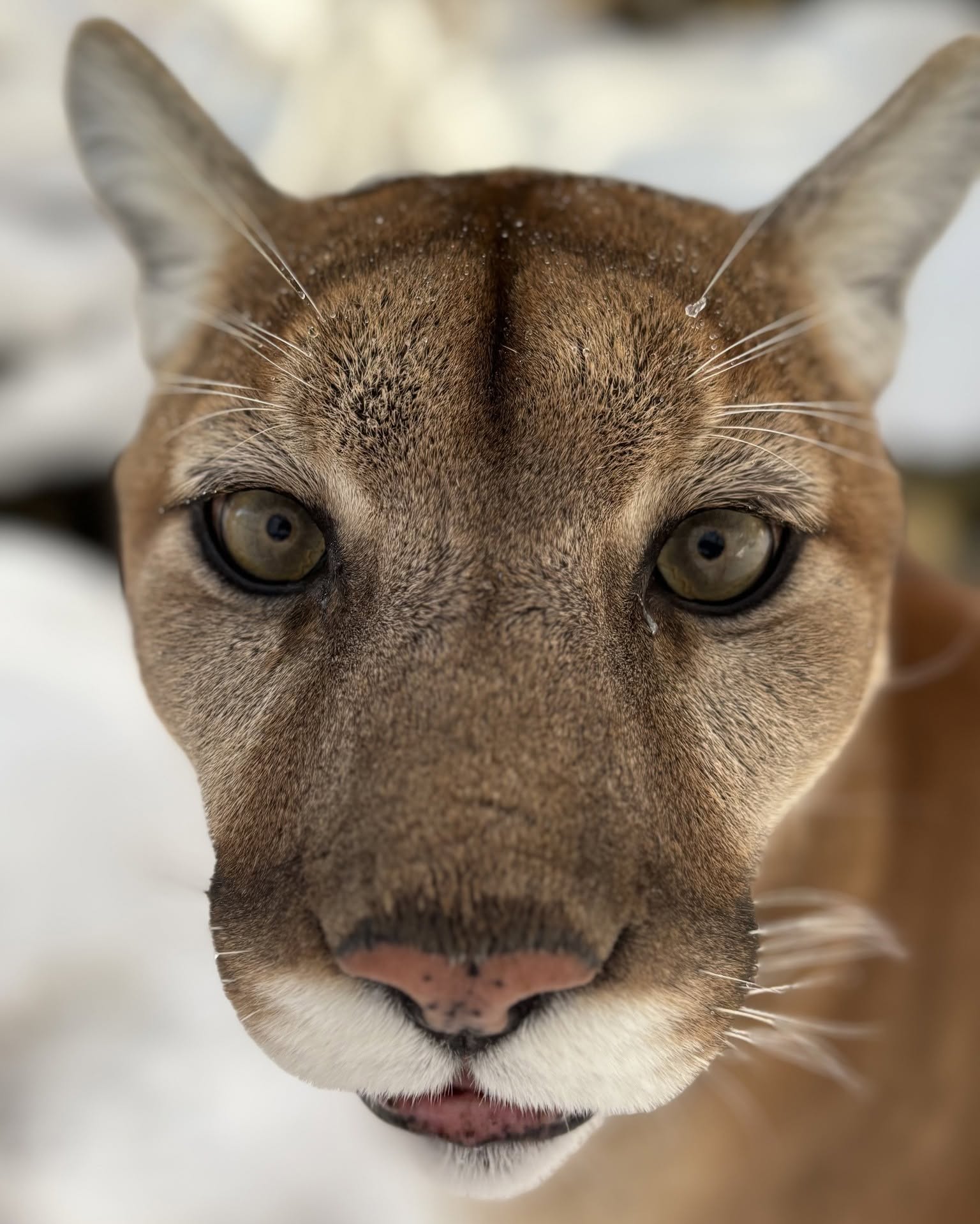
- The significance of Elsa’s passing and her impact on the zoo community
- Understanding mountain lion behavior and ecology
- Health issues in wildlife and the importance of veterinary care
- Conservation efforts for mountain lions and their habitats
- The relationship between animals and human caretakers in zoos
Elsa’s departure has left the zoo community grieving, reflecting the deep bond that develops between animals and humans in zoological settings. Animals like Elsa not only entertain but also educate visitors, promoting awareness about wildlife and conservation needs. Zoo staff, caregivers, and visitors alike often connect emotionally with these creatures, as Elsa demonstrated through her engaging personality and impactful presence within the zoo.
Mountain lions, known scientifically as Puma concolor, play a crucial role in their ecosystems. They are skilled predators, maintaining the health of prey populations such as deer. Understanding their behavior is essential for appreciating their impact on biodiversity. Mountain lions are solitary animals, using their size and strength to hunt effectively. They are known to be adaptable, occupying various habitats from forests to deserts across North and South America. With a robust range, mountain lions are often on the move, marking territory and ensuring their survival.
In Elsa’s case, proper veterinary care was vital, especially as she advanced in age. Over the last weeks of her life, subtle signs of illness emerged. This situation points to the importance of regular health check-ups for zoo animals. A comprehensive veterinary examination revealed cancer affecting multiple organs. This diagnosis, while devastating, underscores the necessity of monitoring animal health; early detection of issues can lead to timely interventions. Veterinary staff play a key role in wildlife care, using evolving medical practices to enhance animal health and longevity.
The decision to humanely euthanize Elsa was made with careful consideration. This option, though painful, can be an act of compassion when quality of life declines. It reflects an ethical approach toward animal care, emphasizing that the health and dignity of the animal are paramount. Wildlife management often involves difficult decisions, especially when it comes to end-of-life scenarios. Educating the public about these challenging choices fosters understanding and respect for zoo practices.
Conservation efforts are critical for mountain lions, which face numerous threats, including habitat destruction, human conflict, and poaching. Organizations dedicated to wildlife conservation advocate for policies aimed at protecting both the animal and its habitat. The commitment to preserving ecosystems not only supports mountain lions but also benefits a myriad of species living within those environments. Educational programs at zoos raise awareness and inspire visitors to engage in conservation efforts, eventually contributing to the well-being of wildlife.
The relationship between mountain lions and caregivers is unique. Zookeepers like Valerie form strong connections with the animals they tend to, enhancing the welfare of the creatures. Daily routines forge bonds, allowing caregivers to observe behaviors and identify any potential health issues early. Training methods in modern zoos emphasize positive reinforcement, which can be beneficial for both animals and humans. This partnership encourages trust and reduces stress in the animals, making daily care more effective.
Elsa’s interactions with her caretakers showcased her charm. Her playful stalking of passing carts and her welcoming chirps made her a favorite among zoo staff and guests. Observing those little behaviors further illustrates the complex needs of animals. They are not only instinctive creatures but also beings capable of distinct personalities. These connections highlight the significance of enrichment activities and socialization in animal care.
Mountain lions’ natural behaviors, including climbing and stalking, can be encouraged through enriching environments in zoos. Providing varied habitats stimulates these animals mentally and physically. It encourages natural instincts, which is essential for their well-being. A dynamic living space not only enriches the animals’ lives but also increases guest engagement, allowing visitors to witness authentic animal behaviors.
Educational encounters, like those provided by zoo staff, enhance visitor experience significantly. Informative presentations and discussions about mountain lions’ roles in ecological systems help bridge the gap between wildlife and humanity. The loss of Elsa creates an opportunity to reflect on her life and the importance of continuing advocacy for mountain lions.
The conservation message is also highlighted through Elsa’s story. Awareness surrounding habitat loss and human-wildlife conflict is critical for ensuring the future of mountain lions. Advocacy for wildlife corridors, which allow safe passage across fragmented landscapes, is one such effort. These corridors are essential for genetic diversity, providing mountain lions with the opportunity to safely traverse their territories and find mates.
Moreover, teaching the community about the importance of coexistence with wildlife fosters a culture of understanding. As urban development expands, conflicts between humans and mountain lions become more common. Education about responsible pet ownership, safe waste disposal, and other practices can minimize negative encounters.
Zoo-related conservation programs often collaborate with governmental and non-governmental organizations to promote sustainable practices. These alliances enhance the zoo’s outreach and create a larger impact on conservation strategies. Engaging local communities in conservation efforts proves invaluable, as their participation often leads to effective and practical solutions tailored to local needs.
The legacy of animals like Elsa extends beyond the confines of the zoo. Her passage can inspire ongoing discussions about conservation and the importance of biodiversity. The narrative of mountain lions serves as a vital reminder of our responsibility as stewards of the environment. Advocating for both the species and their habitats enhances overall ecological health.
The emotional journey following Elsa’s passing is a testament to the connections fostered within the zoo community. Each life lost leaves a mark on the hearts of those involved. Yet, these experiences encourage continued dialogue on conservation and the vital work surrounding wildlife management.
As banners are lowered in remembrance of Elsa, the commitment to mountain lion conservation will continue. Education and advocacy must persist to ensure future generations of mountain lions thrive in their natural habitats. The legacy of Elsa serves not only as a memory of a beloved creature but also as a springboard for a deeper understanding of wildlife conservation efforts. By reflecting on her life and impact, the community is reminded of the collective responsibility to protect natural ecosystems and the animals within.
*****
Source Description
With heavy hearts, we announce the passing of Elsa, our beloved mountain lion, at 14 years old. Over the past several weeks, Elsa began showing subtle changes in her health that progressed quickly in recent days. A comprehensive veterinary exam revealed cancer affecting multiple organs. Following careful consideration and with her well-being at the forefront, the compassionate decision was made to humanely euthanize her.
Elsa joined our zoo family in 2011 and quickly became a favorite among both guests and staff. From playfully stalking passing carts to greeting her caretakers with her signature chirps, she had a personality that left a lasting impression. She could often be found perched above her habitat, keeping a watchful eye on everything around her, or resting alongside her former companion, Eli.
She made a lasting impression on all who knew her, especially the team who cared for her each day. 🧡
📸 1: Zookeeper Valerie
