
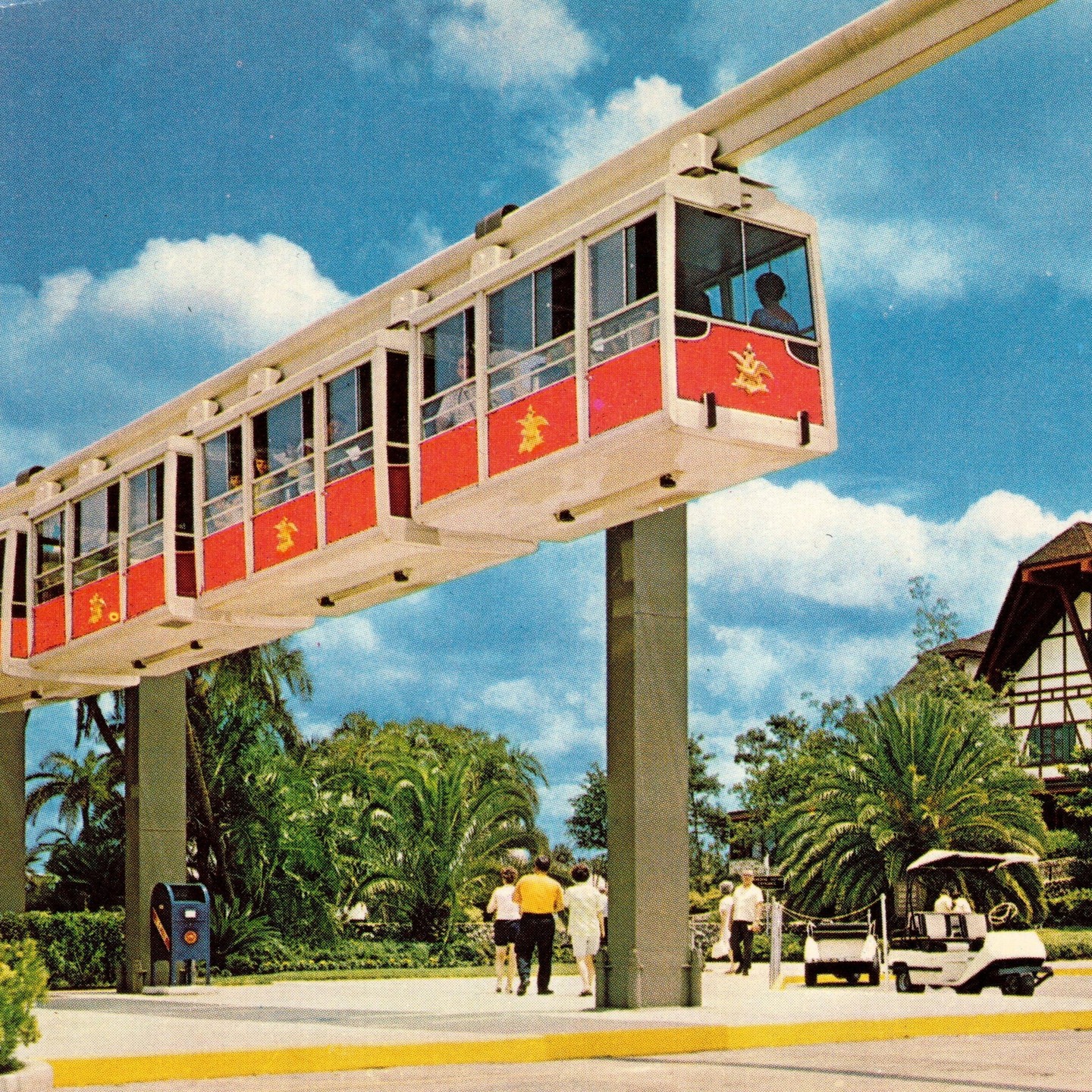
- Overview of the To Our Veldt Monorail Experience
- Environmental Impact of Monorails in Zoos
- Zoological Significance and Animal Interaction
- Promotion of Wildlife Conservation Efforts
- Future Directions for Sustainable Zoo Practices
The To Our Veldt Monorail is not merely a ride; it exemplifies an engaging interaction between visitors and wildlife. This immersive experience allows guests to observe animals in a setting that simulates their natural habitat. The monorail offers a unique vantage point, enabling a closer look at various species and their behaviors. Traditional zoo experiences often restrict interaction to viewing through barriers; however, the monorail enhances this by providing a more dynamic experience without causing disturbance.
This mode of transportation within the zoo not only serves as a fun experience but also promotes sustainable travel. The environmentally friendly features of monorails reduce the carbon footprint associated with other transportation methods. This aspect aligns with modern trends in zoological management, which is increasingly focusing on minimizing environmental impact while maximizing educational outreach.
Environmental considerations are critical when assessing the effectiveness of monorails in zoos. The infrastructure associated with monorails often requires less physical ground disruption compared to traditional pathways. This means less habitat fragmentation, which is vital for animal welfare. Additionally, the monorail system supports wildlife by creating raised pathways, which can minimize human-animal interactions. The elevated design keeps visitors safe while maintaining animals in a stress-free environment. Notably, animals often become accustomed to the presence of monorails, as the vehicles glide smoothly above their habitat.
Monorails also contribute to a deeper understanding of animal behavior. The layout and operation of To Our Veldt Monorail are thoughtfully aligned with education and awareness campaigns. With educational signage strategically placed along the route, visitors gain insights into animal behaviors, diets, and conservation status. The monorail’s slow pace allows for both observation and comprehension, promoting a connection between visitors and wildlife.
Silent travel is another benefit. Many monorails operate with minimal noise, creating a less intrusive experience. This helps animals feel more at ease, enabling guests to witness natural behaviors instead of stress-induced reactions. Observing wildlife in such a natural state enhances the educational aspect of the visit, fostering a greater appreciation for biodiversity.
The To Our Veldt Monorail emphasizes wildlife conservation as it serves as a platform for awareness. Highlighting various species, the ride can focus on endangered animals and the conservation efforts aimed at protecting them. By integrating educational programs about these species into the monorail experience, zoos can actively engage in public education. This, in turn, inspires visitors to support conservation initiatives.
Educational programs tied to the monorail can also promote involvement in local conservation efforts. Often, zoos partner with organizations focused on wildlife protection, creating opportunities for guests to contribute financially or through volunteer work. Information about local and global conservation challenges can immediately resonate with visitors who have just had an enlightening experience on the monorail.
Engagement goes beyond mere observation. The To Our Veldt Monorail fosters a two-way interaction between visitors and the exhibits. Guests often express curiosity leading to questions that can prompt further discussion about the challenges facing wildlife today. This interactive learning model has profound implications for the future of conservation, as it cultivates a sense of responsibility among visitors.
Zoo managers recognize the long-term impacts of such evocations. Effective management ensures that zoos remain relevant in an era marked by increased awareness of animal rights and environmental issues. Regular evaluations of educational programs can yield data supporting continued improvements in visitor engagement and animal welfare.
In recent years, sustainability has gained traction in zoo management philosophies. The To Our Veldt Monorail is indicative of broader efforts within zoological institutions to pursue eco-friendly operations. Energy efficiency is a key focus. Many monorails utilize renewable energy sources, further reducing their ecological impact. These initiatives mirror a larger movement towards sustainable practices in wildlife facilities.
The role of the monorail extends to its influence on the physical layout of the zoo itself. The design processes involved require collaboration between architects and zoologists, ensuring that constructed elements align with animal welfare standards. Furthermore, monorail systems can act as connecting points, streamlining the flow of visitors. This organization increases access to various exhibits, enhancing overall visitor experience while maintaining a commitment to responsible development.
In exploring the future of such systems, improvements can be expected. Technological advancements promise to refine the experience even further. Future iterations of the To Our Veldt Monorail may incorporate augmented reality features, allowing riders to view detailed animal information visually displayed alongside each species. This innovation would significantly deepen educational engagement, converting a passive ride into an actively enriching experience.
Moreover, educational programming will likely evolve alongside advancements in technology. Virtual learning tools could help expand awareness beyond the zoo. Enhanced experiences on-site could foster greater global understanding of animal and ecosystem conservation issues.
To maintain a thriving zoological environment, investment in conservation education is critical. The monorail serves not only to educate during the ride but also to inspire long-term commitment to wildlife protection. Hands-on workshops, school programs, and community outreach can work in concert with the insights gained while aboard the monorail.
Collaboration with environmental organizations will also enhance conservation messaging. Successful partnerships between zoos and wildlife authorities help foster knowledge exchange and resource sharing. Such cooperation can elevate conservation efforts on multiple fronts, as involved parties work toward common goals.
Visitor feedback plays an essential role in evaluating the effectiveness of the To Our Veldt Monorail experience. Continuous improvements based on visitor opinions can refine future offerings, ensuring that the program remains relevant and impactful. Regular assessments also enable zoo management to align with conservation trends.
By intertwining the experience of wildlife observation with a commitment to conservation and education, the To Our Veldt Monorail sets the standard for modern zoological operations. As public facilities strive to adapt and respond to growing conservation ethics, monorails offer a clear pathway forward. They provide a model of how transportation within a zoo can be harnessed for educational and conservation purposes.
Monorails like To Our Veldt represent an innovative convergence of technology, education, and wildlife management that captivates audiences while promoting vital ecological insights. The ride becomes more than entertainment; it transforms into a call to action, urging visitors to reflect on their roles as stewards of the Earth.
Ongoing public interest in zoological experiences indicates a promising future for the To Our Veldt Monorail. As this conversation about conservation deepens, the significance of such innovative exhibits will undoubtedly continue to rise. The marriage of experience and education through this monorail will foster a culture of environmental respect and responsibility among future generations.
*****
Source Description
to our veldt monorail! Who remembers riding this? 🚟
