
- The importance of scheduling meetings in a zoo environment
- How aquatic colleagues impact daily operations
- Strategies for effective communication and planning
- The role of divers in aquarium maintenance and education
- Insights into marine conservation and the aquarium’s role
In a dynamic environment like Steinhart Aquarium, the need for careful scheduling becomes crucial. Meetings must often be rescheduled to accommodate the schedules of diverse aquatic colleagues. This not only involves human team members but also the marine life that plays an essential role in public outreach, education, and conservation. Recognizing the complexities of coordinating human schedules with the demands of aquatic habitats ensures both operational efficiency and optimal care for marine species.
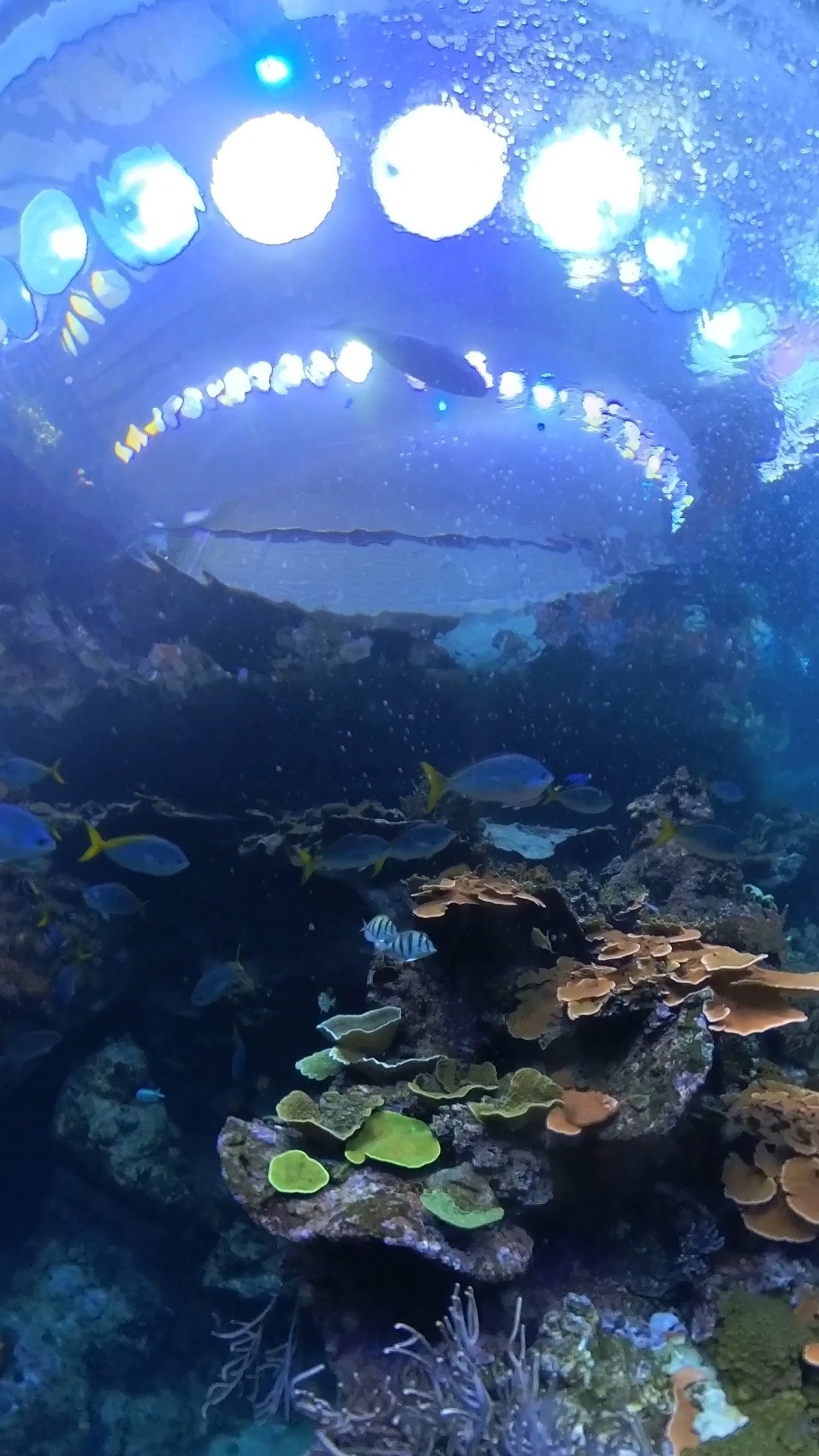
Aquatic colleagues significantly impact the daily operations at any reputable aquarium. For example, divers play a pivotal role in maintaining the Philippine Coral Reef exhibit. They monitor water quality, check the health of marine organisms, and engage in educational demonstrations. The timing of these activities often overlaps with scheduled meetings, necessitating flexibility in planning. The decision to reschedule meetings demands a recognition of the importance of these activities, which ultimately support overarching conservation goals. Through live demonstrations and interactive experiences, aquariums like Steinhart make marine education accessible, enhancing visitor understanding of aquatic ecosystems.
Effective communication is vital in ensuring that all team members understand the needs of their aquatic colleagues. Transparent dialogue among staff helps mitigate misunderstandings that can arise due to tight schedules. Regular updates about the status of the exhibits and the well-being of aquatic residents should be routine. Utilizing digital tools can further streamline this process. A shared calendar can display not only human meeting times but also activities involving divers and other staff working directly with aquatic animals. This holistic approach allows all team members to stay informed and engaged, creating an atmosphere of collaboration.
The diver’s role extends beyond technical maintenance to include educational outreach. Daily demonstrations in the aquarium showcase the importance of marine conservation, illustrating both the beauty and fragility of coral reefs. Through well-orchestrated dives, divers present various species, enabling visitors to connect with marine life on a personal level. This interaction fosters a greater appreciation for aquatic ecosystems and emphasizes the critical need for their conservation. When planning meetings, it is essential to consider the availability of divers who contribute to these educational experiences, reshaping the way people view marine environments.
Education and conservation initiatives carried out by organizations like Steinhart Aquarium are critical. As climate change poses increasingly significant threats to marine habitats, such centers play a vital role in advocating for responsible stewardship. Through various educational programs, aquariums aim to raise awareness about the impact of human activities on marine ecosystems. Integrating this mission into everyday operations means supporting the activities of aquatic colleagues, including scheduling flexibility for essential meetings and training sessions.
The daily operations at Steinhart highlight the interconnection between aquatic colleagues and the aquarium’s educational mission. By carefully considering the schedules of divers and their roles, the aquarium can effectively balance organizational needs with the requirements of marine care. Discussions about how to streamline operations should include input from all staff members directly engaged with aquatic life. Open forums and regular brainstorming sessions can generate innovative ideas to align human activities with the well-being of marine species.
During busy times, such as special events or peak visiting hours, the need to prioritize certain activities becomes even more apparent. Understanding the nuances of scheduling with aquatic colleagues in mind ultimately leads to better operational practices. Making adjustments to meeting dates and times when necessary supports not only the health of the exhibits but also the educational experiences for the audience.
Preemptively addressing potential schedule conflicts can also enhance overall efficiency. Program coordinators can benefit from forecasting what upcoming exhibits may require heavier engagement from divers and other specialists. By being proactive and planning meetings around high-demand periods, the aquarium can minimize disruptions and maintain a consistent focus on care practices and visitor education.
Additionally, conducting routine training sessions for divers is essential. These sessions help divers fine-tune the skills needed to care for and enrich the lives of aquatic animals. Aquatic colleagues such as fish and reefs depend on their expertise. When considering the necessity of these training workouts, rescheduling may be necessary to ensure that all divers can participate. This highlights another factor in the need for flexibility: the quest for continued professional development.
With a myriad of duties on their plate, divers may also have to juggle personal commitments alongside their professional responsibilities. Acknowledging these challenges fosters a workplace culture that attracts dedicated staff who are passionate about marine conservation. This commitment ultimately enriches the experience provided to guests, as they receive the expertise of professionals who genuinely care about the marine life they work with.
Furthermore, collaboration among different departments enriches the educational mission of the aquarium. Staff can create interdisciplinary teams that address various aspects of marine conservation. For instance, biology experts can partner with divers to develop educational materials that highlight the importance of specific species or ecosystems. When meetings cater to the diverse expertise within the organization, they bolster the capacity for outreach and facilitate a deeper connection with the public.
Central to this mission is the aquarium’s role in facilitating community engagement. Exhibits like the Philippine Coral Reef are not mere displays but serve as platforms for discussion and awareness about marine conservation efforts. Through the lens of the aquarium, visitors learn about the critical situations facing marine life, how they can contribute to conservation, and the importance of responsible practices.
Taking responsibility for marine health also means addressing environmental challenges impacting the ocean. The Steinhart Aquarium has initiatives aimed at raising awareness about pollution, overfishing, and habitat loss. Theme-based meetings discussing these issues allow staff to brainstorm actionable solutions. Engaging aquatic colleagues in these conversations fosters a culture of inclusivity where everyone’s contributions matter.
Ultimately, rescheduling meetings in a place like Steinhart Aquarium supports broader educational and conservation objectives. By valuing the essential contributions of aquatic colleagues and ensuring their needs are met, the aquarium can harmonize organizational processes with the well-being of marine life. This integration leads to enriched guest experiences, increased community awareness, and improved marine conservation outcomes.
In the quest to balance operational needs with the responsibilities of staff working directly with aquatic creatures, an organization can only thrive through open collaboration and effective communication. Encouraging dialogues not just maintains workflow but reinforces a collective commitment to marine stewardship. Emphasizing this harmony ultimately cultivates a culture of empathy and respect for the vibrant marine life that plays a role in our shared ecosystem.
At places like Steinhart Aquarium, every day represents an opportunity to learn, educate, and foster better relationships with the environment. Through thoughtful planning and a shared vision, the challenges associated with scheduling meetings and accommodating aquatic colleagues become stepping stones to enriching both professional lives and public understanding of marine conservation.
*****
Source Description
Rescheduling meetings to accommodate our aquatic colleagues… just another day at Steinhart Aquarium.
You can see our divers in action in the Philippine Coral Reef during daily shows!
[Video description: Video opens with a screen recording of a text exchange between colleagues, with one asking the other if they’re ready to meet this afternoon. The other says, “Sorry I have a 2 pm!” Screen switches to a clip of an Academy diver swimming through the Philippine Coral Reef enclosure, with text overlay that reads “The 2 p.m. in question:” The camera pans to various angles of the reef as the divers inspect coral and fish float by.]
