
- The biology and behavior of giraffes, highlighting Rosie’s unique traits.
- The importance of zoos in wildlife conservation and education.
- The role of animal interactions in fostering empathy and awareness.
- Strategies for making the most of your visit to the zoo.
- The impact of educational programs on public engagement with wildlife.
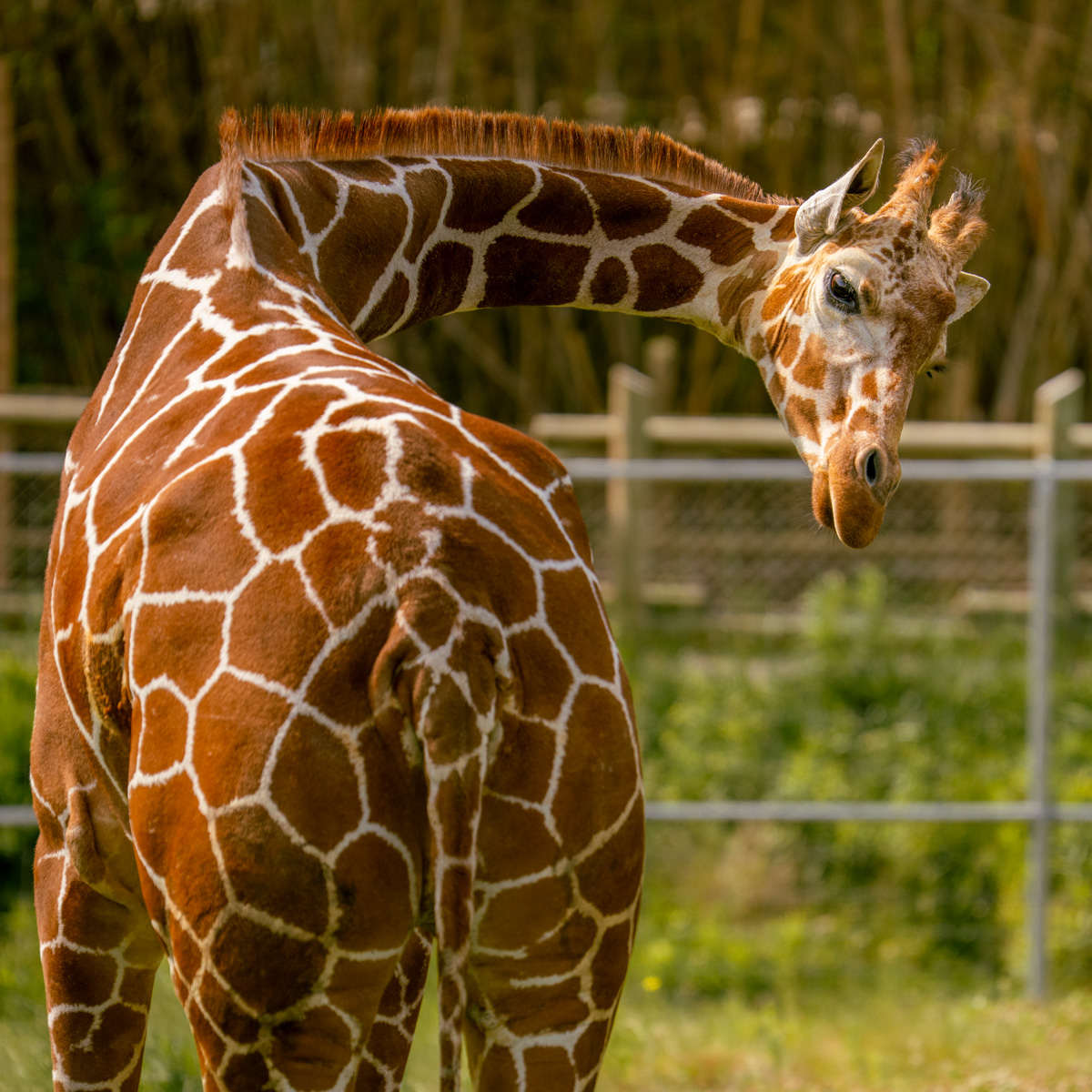
Rosie’s turn of the head and the cheerful greeting of “hello there!” encapsulate the joyful interactions visitors can experience at the zoo. Giraffes, like Rosie, exhibit fascinating behaviors that invite curiosity and admiration. They are the tallest land mammals, with long necks allowing them to reach high branches for feeding. This distinctive anatomy plays a key role in their social interactions, especially during greetings, which can include nods and neck movements.
Giraffes belong to the family Giraffidae and inhabit various regions across Africa. Their long necks are a result of evolutionary adaptations, allowing them to browse the tall trees in the savannah. This adaptation, however, has implications beyond mere feeding. It affects how they communicate and socialize with one another. For instance, Rosie may turn her head in a friendly gesture, opening her large eyes wide to engage with spectators. This head-turning behavior can indicate recognition or curiosity, demonstrating their social nature.
Moreover, giraffes are known to engage in various social behaviors. They typically form loose herds composed of several females and their offspring. Males may join briefly to mate and often engage in necking, a playful combat behavior that establishes dominance. Rosie’s interactions with her human visitors and fellow giraffes are a testament to her adaptive and social intelligence. Recognizing these behaviors not only enriches visitor experiences but also enhances our understanding of how species adapt to their environments and social structures.
Zoos play a pivotal role in wildlife conservation and education. They serve as sanctuaries for endangered species and provide breeding programs aimed at rebuilding populations of vulnerable animals. By hosting animals like Rosie, zoos engage the public in the conservation dialogue. Educating visitors about the threats faced by giraffes, such as habitat loss and poaching, fosters a sense of responsibility for their protection.
In addition to conservation efforts, zoos offer research opportunities that contribute to better animal care and understanding of species-specific needs. This research includes studying nutrition, breeding behaviors, and social interactions. For example, observing how Rosie interacts with her environment helps zookeepers create optimal living conditions, ensuring her well-being. A well-managed zoo strives to mimic natural habitats, allowing animals like Rosie to thrive in a setting that resembles their wild environments.
The importance of animal interactions extends beyond simple observation. Engaging with animals fosters empathy and a deeper appreciation for biodiversity. When Rosie turns her head to greet visitors, it establishes a connection. Visitors often leave the zoo with heightened awareness of wildlife conservation. Emotional interactions can motivate people to support conservation initiatives, whether financially, through volunteering, or through advocating for policy changes.
Planning a visit to the zoo can further enhance the experience. Prior to your visit, research the zoo’s layout and the various animal exhibits. Familiarize yourself with showtimes and scheduled feedings, particularly for popular animals like Rosie. This advance preparation allows for a smooth visit, maximizing your time and experience. Walking paths should be explored methodically to avoid missing any exhibits. Moreover, consider the specific needs of young children or family members who may require shorter periods of activity.
Arriving early gives you access to more interactive experiences, such as animal encounters or keeper talks. These programs provide invaluable insights from trained professionals who can share details about the care and behavior of the animals, including Rosie’s specific habits and personality traits. Keeping your schedule flexible allows for spontaneous learning moments, further enriching your visit.
Turns of the head and simple greetings may seem trivial. However, such occurrences represent a vital link between humans and animals, fostering appreciation and respect. Engaging moments can transform a standard day at the zoo into an educational adventure, imparting lessons about wildlife and our responsibilities towards them.
Educational programs offered by zoos enhance awareness about conservation efforts. Many zoos host workshops, summer camps, and school tours aimed at engaging learners of all ages. Programs designed for schools focus on the significance of biodiversity and the fragility of ecosystems. Such initiatives motivate youth to contemplate long-term conservation strategies and their roles within them.
Take the time to explore these programs during your visit. They often incorporate hands-on activities that resonate well with participants, solidifying the knowledge gained. Children learning about giraffes and their environments through interactive exhibits or through live demonstrations might develop lifetime passions centered around wildlife protection.
Wildlife conservation encompasses various dimensions. It involves recognizing the ethical responsibility humanity has in protecting vulnerable species. Advocating for animals like Rosie reinforces the need for habitat preservation and legislative support for wildlife protections. Zoos contribute to this cause by allowing access to species that may be difficult to see in their natural environment. They serve as ambassadors for wild animals, emphasizing that every creature has inherent value.
While adults often engage in policymaking discussions, children are influenced by firsthand experiences. Exposing young minds to various wildlife issues can shape their viewpoints and actions in the future. As they observe Rosie greeting and interacting in her habitat, children may develop empathy and an understanding of conservation principles.
Research shows that children who frequently visit zoos have a higher likelihood of valuing wildlife. This link underlies the crucial aspect of connecting people with animals. Consider how Rosie’s head-turning and friendly demeanor not only enhance visitor enjoyment but also embed valuable lessons about animal behavior in the minds of young visitors.
The moment you see Rosie turning her head to greet you signifies more than a simple interaction; it highlights a broader commitment to wildlife conservation education and building connections between humans and animals. This profound connection represents hope for future conservation efforts. It encourages the public to engage actively in protecting habitats and species around the globe.
Rosie’s “hello there!” resonates as a reminder of the joys of nature. It embodies the potential of zoos to enrich knowledge about the animal kingdom while nurturing a connection between people and wildlife. Each encounter with Rosie and her fellow inhabitants can inspire a commitment to preserving their habitats and the ecosystems they thrive in.
Winning the hearts of visitors is just one layer of a zoo’s mission. Their role in research, conservation, and education is integral to ensuring that future generations can enjoy the wonder of wildlife just as today’s visitors can.
Understanding animals like Rosie, engaging the public, and advocating for conservation create a ripple effect that influences wildlife protection on a global scale. The responsibility lies not just with zoos, but also with every individual who leaves the zoo feeling inspired to make a difference. Each “hello there!” is an opportunity to spark change, fostering a better future for the planet’s biodiversity. As you plan your visit to see Rosie, remember the significance of the encounter and how you can be a part of wildlife conservation efforts, ensuring these exchanges continue for years to come.
*****
Source Description
Rosie’s turning her head to say ‘hello there!’ 🦒
Come spend a day making memories with us at the Zoo this long weekend. We’re open and ready to welcome you—see you soon!
