
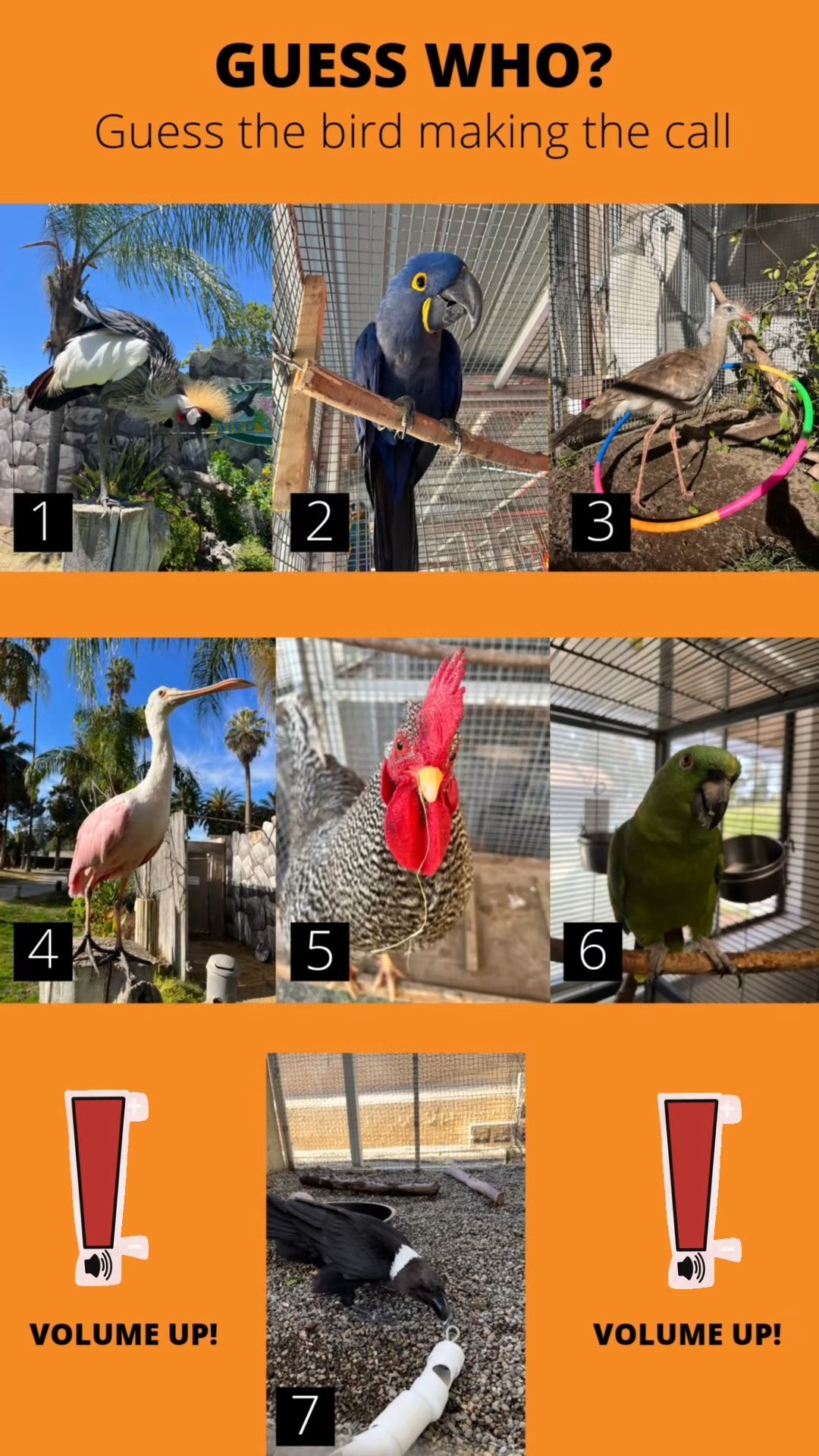
- Explore the significance of Instagram as a platform for wildlife education and conservation awareness.
- Discuss the challenges in wildlife identification and its impact on conservation efforts.
- Delve into the role of social media influencers in promoting zoology and environmental stewardship.
- Examine the care and management of animals in zoological settings to maintain biodiversity.
- Highlight the integration of technology in conservation strategies and public engagement.
The evolving digital landscape offers exciting opportunities for wildlife education and conservation. Social media platforms, particularly Instagram, have become crucial tools for spreading awareness and engaging the public in biodiversity conservation. Instagram, with its visual-centric approach, allows users to connect with nature in a way that traditional media often cannot. By harnessing the power of images and short videos, users reach vast audiences, promoting awareness about wildlife conservation and ecology.
One of the significant challenges addressed through this medium is wildlife identification. Proper identification is vital for species conservation and ecological studies, contributing to maintaining biodiversity. Yet, distinguishing among similar species can be complex, even for seasoned ecologists. Instagram’s format enables users to document species with images and videos, offering a visual library that can be invaluable for both experts and enthusiasts. This sharing fosters a global learning community, encouraging citizen science where non-professionals contribute to data collection and species identification.
Social media influencers play an integral role in amplifying these efforts. Influencers with a focus on zoology and conservation can galvanize their followers, converting interest into actionable conservation efforts. These individuals bridge the gap between science and the public through engaging storytelling and stunning visuals, educating their audience about the nuances of zoology and the importance of preserving our planet’s ecosystems.
Beyond awareness, zoos and wildlife parks are crucial in conserving biodiversity. They face the enduring challenge of maintaining genetic diversity and ensuring the health and well-being of individual animals. Proper animal care in zoos involves understanding complex behavioral and physiological needs. It’s not merely about preservation but also about education, providing visitors with insights into animal behaviors and ecological roles.
Technology plays an increasingly critical role in these efforts. From drone monitoring in remote habitats to sophisticated data analytics in urban conservation projects, technology facilitates more impactful conservation strategies. It helps in accurate data collection, providing insights into species population trends and habitat usage. Social media, when combined with these technologies, enhances public engagement, making complex ecological data accessible and understandable.
In conclusion, Instagram and other social media platforms have revolutionized how we approach and engage with wildlife conservation and zoology. As digital tools become more integrated into these efforts, they offer unprecedented opportunities for education, engagement, and preservation. The collaboration between technology, social media, and traditional conservation methods forms a powerful alliance in addressing the environmental challenges of our time.
*****
Source Description
It’s time for round 3 of This one is a little tough and may be harder to distinguish…did you get it right?🐦 🔊
