
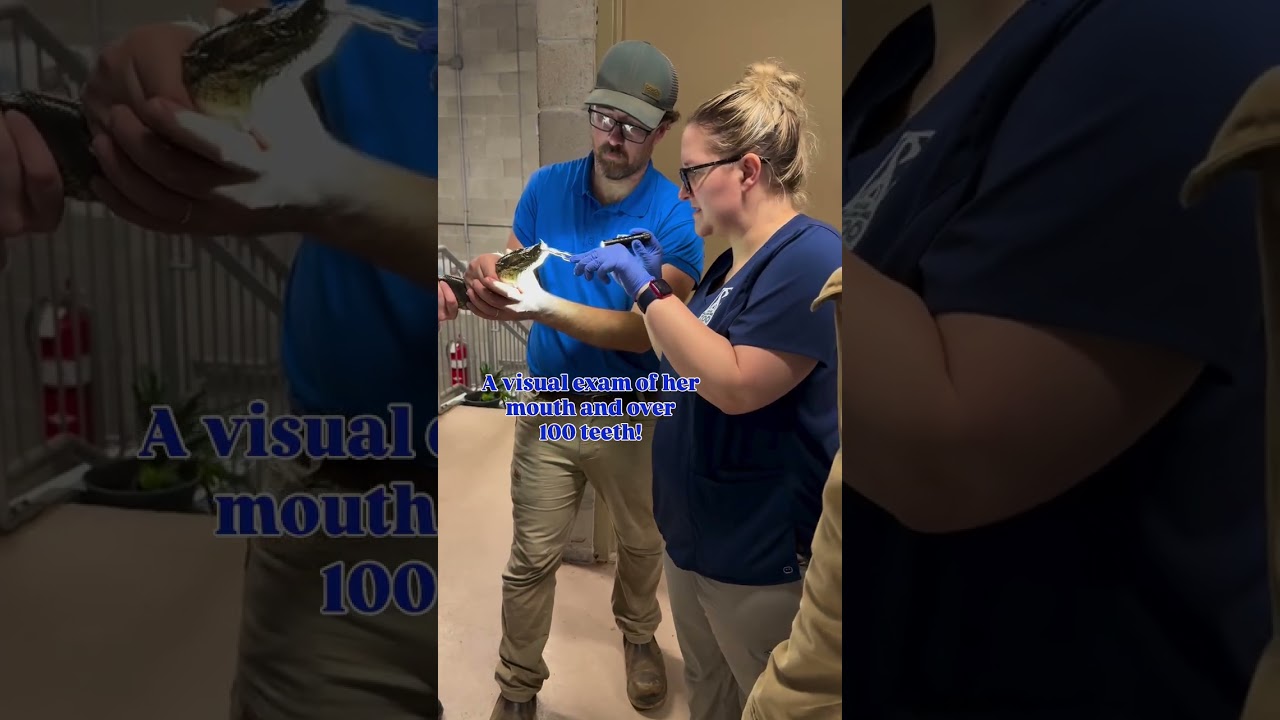
- The collaborative effort in managing a routine checkup for Fauna, the green anaconda.
- The physiological and ecological aspects of green anacondas.
- Methods and importance of health monitoring in reptiles.
- Challenges and approaches in anaconda care and handling.
- Role of such checkups in wildlife conservation and educational outreach.
Green anacondas (Eunectes murinus) are the giants of the snake world and present both awe and significant responsibility in a zoo setting. Monitoring the health of such a remarkable species, like Fauna, our resident green anaconda, involves systematic planning and teamwork. A routine checkup is not just a veterinary task but an entire team’s coordinated operation aimed at preserving the health and welfare of these magnificent reptiles.
Managing a routine checkup for Fauna is a collective endeavor. Veterinarians, herpetologists, and zookeepers come together, each bringing their expertise. Handling an animal of Fauna’s size requires skilled coordination, not only for the animal’s safety but also for the handlers. Green anacondas can grow over 30 feet and weigh up to 550 pounds, so ensuring their physical condition is arduous yet necessary.
Green anacondas, primarily found in South America’s tropical rainforests, are powerful semiaquatic constrictors. Their adaptation to a watery habitat is fascinating, exhibiting physiological traits that include eyes and nostrils positioned on top of their heads, allowing them to navigate waters stealthily while waiting for prey. Understanding these aspects helps zoo staff curate environments that simulate their natural conditions, optimizing their health.
Routine checkups entail monitoring various health indicators. The process involves physical examinations to assess body condition, scale health, and potential injuries. Blood work is conducted to monitor internal health parameters. Such monitoring helps identify issues early, maintaining the health of the snake. Reptiles, including anacondas, often disguise symptoms of illness, so diligent observation and regular veterinary assessments are critical.
Challenges in caring for green anacondas are multifaceted. Their sheer size and strength demand extensive expertise in handling. Training sessions are essential to acclimate the snake to human interaction minimally stressfully. The design of their enclosures must reflect their natural habitat, providing space, water for swimming, and basking spots essential for thermoregulation.
These checkups play a critical role in conservation and education. Although green anacondas are not currently endangered, habitat loss and hunting pose threats. By keeping Fauna healthy and engaging the public, zoos contribute to global conservation awareness, emphasizing the importance of protecting these creatures’ natural environments.
Educational outreach during zoo visits showcases anacondas as important ecological predators. Through interactive displays and informative talks, the public gains insight into the significance of these reptiles in ecosystems, fostering a connection that promotes wildlife conservation.
In essence, the routine checkup of Fauna demonstrates a confluence of scientific rigor and dedication to wildlife preservation. Every checkup provides an opportunity to deepen our understanding of these extraordinary creatures, championing conservation and educating the public on the incredible biodiversity within our natural world.
*****
Source Description
It took 7 keepers and 3 vets to complete this checkup including blood draws, visual exams, and weight and length checks! Fauna is in great health- she weighed in at a whopping 52.5 pounds and is 11ft, 3in long. 😳
These routine wellness exams are an essential part of preventative care for all of our animals! They allow our veterinary team to monitor growth, track changes, catch any potential concerns early, and ensure that each animal is happy and healthy. Great work team! 👏
