
- The critical role of coral reefs in marine ecosystems.
- The significance of data collection for coral health and conservation.
- The surprising encounters with larger marine species during data collection.
- The importance of collaboration in marine scientific research.
- Insights into wildlife conservation and management strategies.
Coral reefs represent one of the most vital components of marine ecosystems. These complex structures provide habitat for numerous species, support biodiversity, and play a significant role in global ecological balance. Composed primarily of calcium carbonate produced by tiny coral polyps, reef systems are immensely diverse. They serve as breeding grounds and nurseries for many fish species and protect coastlines from erosion. The health of coral reefs is indicative of the overall health of marine environments, and they face countless threats from climate change, pollution, and overfishing.
Data collection is essential for monitoring the health of coral reefs. Scientific dive teams engage in field studies to gather critical information on coral species, growth rates, and environmental conditions. Through systematic observation and data gathering, scientists can assess the impacts of environmental stressors. Effective data collection allows researchers to identify trends in coral health, monitor recovery efforts, and advocate for significant conservation measures. If the data indicates declining coral health, it can prompt action, including habitat restoration or policy change.
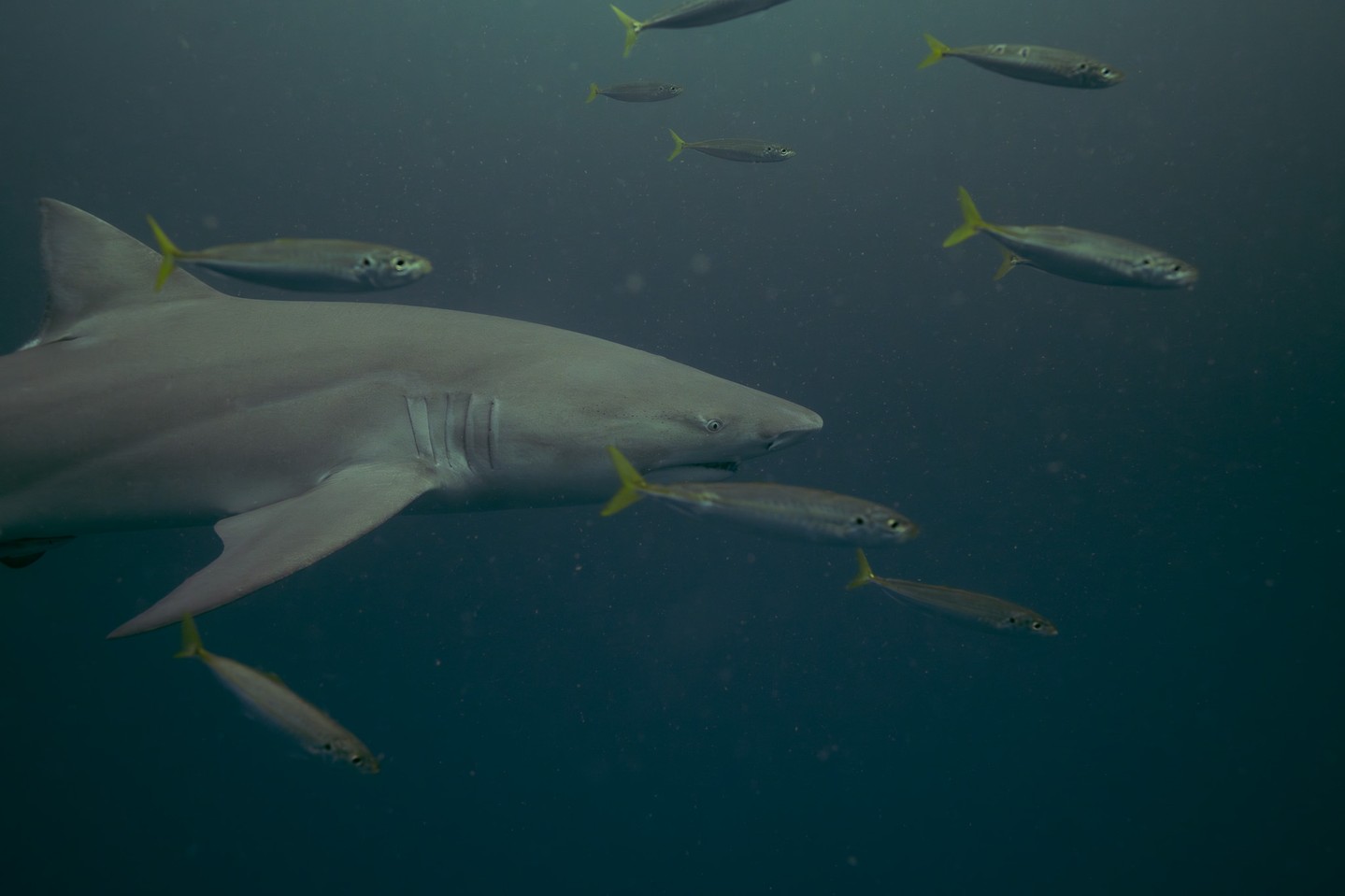
During these dives, encounters with larger marine species, such as sharks or dolphins, can be both surprising and enlightening. While the primary goal is to study the corals, these encounters highlight the intricacies of marine ecosystems. Each species plays a role in the health of the reef, and their presence can signify a balanced environment. For instance, sharks are apex predators and help control fish populations. Their presence can enhance the overall biodiversity of a reef. Each dive has the potential to shift focus from corals to observing larger species, showcasing the interconnectedness within marine environments. These encounters can lead to unexpected learning experiences regarding species interactions and ecological balance.
Collaboration is vital in marine scientific research. When dive teams work together, they pool resources, knowledge, and expertise, making the data collection process more effective. Partnerships with organizations, such as @jupiterdive, facilitate logistics and expand the reach of research efforts. These collaborations also enable scientists to share findings with a broader audience, advocating for reef conservation on a larger scale. Combining efforts with local communities, governments, and non-profit organizations can further enhance conservation initiatives. Collaboration ensures diverse perspectives are considered, leading to more comprehensive strategies for marine preservation.
Wildlife conservation is inherently linked to the health of coral reefs. Various strategies focus on habitat preservation, species protection, and breeding programs. Marine protected areas (MPAs) are a crucial component. These zones restrict certain human activities to ensure ecosystems can thrive. MPAs allow coral and marine life to regenerate by reducing stressors from fishing, pollution, and coastal development. Public awareness campaigns also play a significant role in conservation efforts. Educating communities about the importance of coral reefs helps cultivate an appreciation for marine life and fosters engagement in preservation initiatives.
Coral reefs, as highlighted by scientific dive teams, are not just beautiful underwater gardens; they are critical to supporting marine life and mitigating climate change. The significance of coral reefs extends beyond aesthetic beauty to encompass ecological resilience. By prioritizing data collection and scientific research, we can enhance our understanding of these ecosystems. Through focused conservation efforts, effective policy making, and community collaboration, the future of coral reefs and their dependent species can be protected. Through continued research and engagement, we can champion the preservation of our oceans and promote healthy marine ecosystems for generations to come.
*****
Source Description
When out for a day of data collection, our scientific dive team’s primary focus is on coral. But sometimes, something a little larger (and with teeth) puts science on hold 🙃.
Thanks to @jupiterdive for a great day and supporting our mission!
