
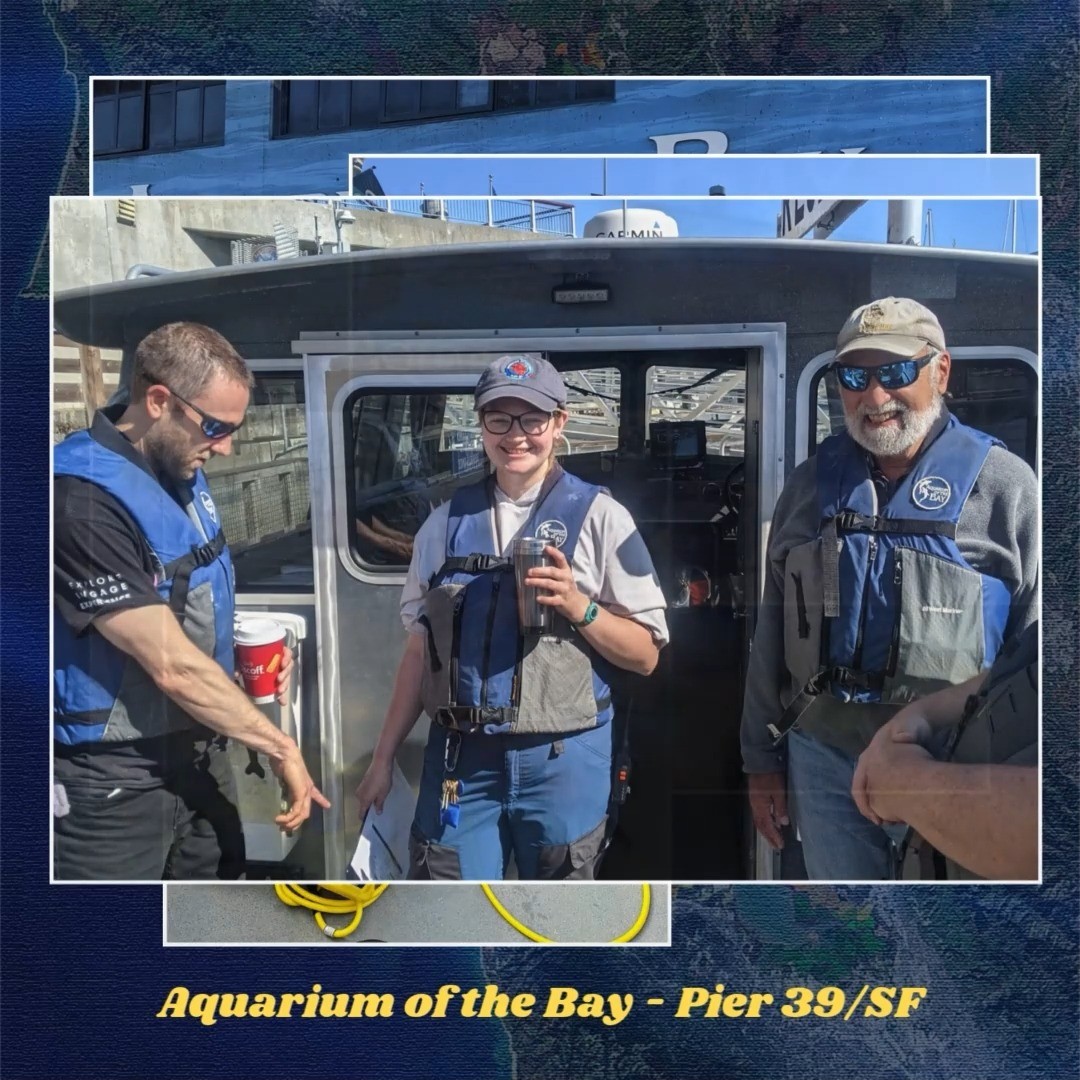
- Overview of Sea Sounds Mission 4 and its partners
- Importance of acoustic research on humpback whales
- Challenges posed by shipping traffic in urban marine environments
- The synergy of surface observations and underwater acoustics
- How to get involved in marine conservation
Sea Sounds Mission 4 represents a conscious effort to blend science and community engagement in the quest to understand humpback whales in busy coastal regions. This initiative is a collaboration among several nonprofits including @bayquest_sf and @aquariumofthebay, alongside partners like Sofar Ocean and @appliedoceansci. By focusing on acoustic sampling, this mission provides valuable insights into the lives and behaviors of humpback whales around one of the busiest shipping ports on the U.S. West Coast.
Humpback whales are charismatic megafauna, known not only for their impressive size but also for their remarkable songs. These aquatic mammals have complex communication systems that are critical to their social behavior. Understanding the acoustic environment of these whales is crucial for wildlife management and conservation strategies. The data collected through Sea Sounds Mission 4 will deepen our comprehension of how these whales interact with one another and their environment, especially in relation to anthropogenic noise pollution.
The shipping lanes of urban marine environments pose significant challenges to marine wildlife. The high levels of noise from vessel traffic can disrupt animal communication, feeding, and migratory patterns. This is a pressing concern for humpback whales, whose migration routes often intersect with busy shipping routes. By conducting thorough acoustic analyses, researchers can determine how much commercial shipping impacts these majestic creatures. While ships create a cacophony beneath the surface, humpback whales rely on sound for navigation and social interaction. The findings from this mission will inform both public policy and conservation efforts aimed at mitigating human impacts on marine ecosystems.
A key component of Sea Sounds Mission 4 is the combination of acoustic samples with surface observations. This dual approach allows researchers to not only analyze the sounds generated by humpback whales but also to correlate these sounds with physical sightings and behaviors. For instance, recording the frequency and duration of whale calls can be tied directly to documented movements or feeding behaviors observed at the surface. This method adds a layer of depth to our understanding of marine life, essentially allowing scientists to “see what they are hearing” and “hear what they are seeing.”
Moreover, integrating modern technology into this research enhances data collection and analysis. Advanced hydrophones and software for sound analysis can detect subtle changes in acoustic patterns, giving researchers insights that traditional observation methods cannot achieve. Real-time data sharing with platforms like Sofar Ocean enables a broader community of scientists, conservationists, and the public to contribute to understanding the marine ecosystem.
Engaging the community is a vital aspect of Sea Sounds Mission 4. The initiative invites individuals to support marine conservation efforts, making it clear that everyone has a role to play in protecting marine life. Whether it’s through donations, volunteering, or simply raising awareness about the plight of humpback whales and the importance of acoustic research, community involvement can make a tangible difference.
The mission serves as a reminder of the interconnectedness of urban environments and natural ecosystems. Policymakers can use the findings from this project to advocate for regulations that minimize shipping noise, create safe passageways for whales, and protect marine habitats. Educating the public about these issues is key to fostering a culture of conservation awareness.
For those interested in contributing to this significant endeavor, the call to action is clear. You can follow @bayquest_sf on social media to stay updated on the latest developments and opportunities to participate. Financial support can also make a substantial impact, aiding in the furtherance of research initiatives and the development of conservation strategies.
As we listen to the natural sounds of the ocean through projects like Sea Sounds Mission 4, we begin to appreciate not only the complexity of marine ecosystems but also the vital role each species plays within them. By understanding the acoustic landscape of humpback whales, we are better equipped to protect them in a rapidly evolving anthropogenic environment. This mission strives to bridge the gap between scientific inquiry and public engagement, making it an essential step in advancing marine conservation objectives.
Through comprehensive studies and community involvement, Sea Sounds Mission 4 exemplifies the opportunity to blend marine science and practical conservation efforts. By fostering partnerships across diverse sectors, this initiative aims to create a healthy future for both marine life and urban coastal environments. Such collaboration will be crucial in addressing the challenges facing marine ecosystems, particularly in busy shipping ports where noise pollution is rampant.
The results of this ongoing research will not only enrich our scientific understanding but also elevate the conversation around conservation, ultimately leading to actionable strategies that safeguard marine wildlife.
In summary, Sea Sounds Mission 4 illustrates a collaborative approach to understanding the acoustic dynamics affecting humpback whales in rapidly changing environments. Recognizing the significance of sound in the ocean is a critical part of marine conservation. By combining scientific research with community participation, the initiative underlines the importance of everyone’s involvement in marine stewardship, demonstrating that even urban pathways can lead to pathways of understanding and healing for our oceans.
Engagement with projects like this is vital. It pushes forward the collective knowledge on the impacts of human activities on marine life, while also uniting diverse communities in the struggle to protect our planet’s biodiversity.
*****
Source Description
SEA SOUNDS MISSION 4.
A collaboration with the nonprofits @bayquest_sf and @aquariumofthebay in association with Sofar Ocean and @appliedoceansci .
Listening in on the sounds of the sea to study humpback whales near one of the busiest shipping ports on the U.S. west coast.
Acoustic samples along with surface observations enable us to see what we are hearing and hear what we are seeing.
Get involved and support this important mission today! See the link in the Bay Quest BIO!
Video by Bay Quest Team.
