
- September is a pivotal month for introducing fall programs at aquariums.
- Interaction with live animals enhances educational experiences.
- Daily feeding times across different habitats offer unique insights into animal behavior.
- Free daily programs engage the community and promote wildlife conservation.
- Educator-led discussions enrich understanding of ambassador animals.
September marks the beginning of the fall season, a time when aquariums launch exciting new programs designed to enhance visitor experiences. This month stands out as an important opportunity for education and engagement, particularly in the context of wildlife conservation and the biological wonders of aquatic and terrestrial ecosystems. Aquariums utilize this month to run various programs focused on education about animals, their habitats, and the role humans play in preserving biodiversity.
Feeding time serves as a highlight during these fall programs. Different aquarium habitats feature distinct species, each with unique feeding styles and behaviors. For instance, in a tropical reef habitat, colorful fish exhibit complex social behaviors during mealtime, darting and displaying to assert dominance or attract mates. In contrast, feeding time in a freshwater pond exhibit provides a glimpse into the habits of turtles, frogs, and other amphibians. Observing how animals respond to food can reveal important aspects of their biology, such as dietary preferences and foraging strategies.
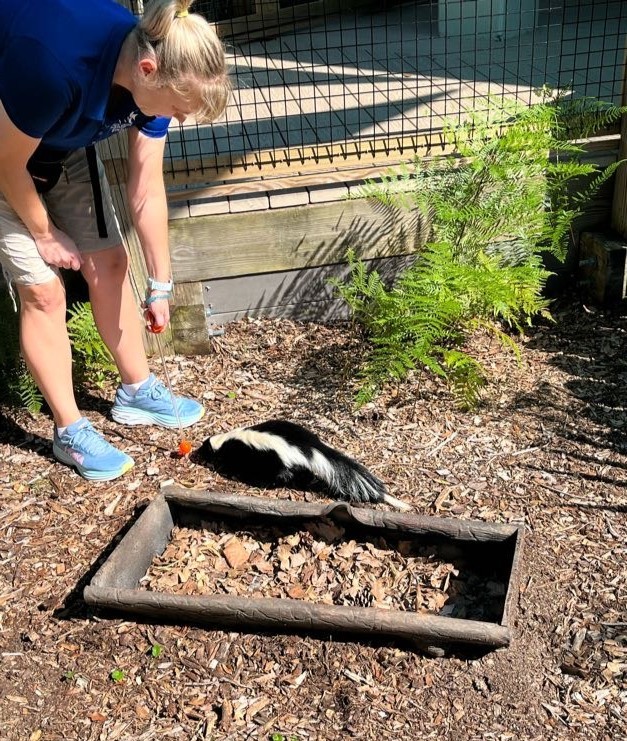
This educational component is further enhanced by live-animal programs featuring a variety of species, including skunks, birds, and turtles. Encountering live animals allows visitors to connect more deeply with nature. Meeting a skunk, for instance, can dispel common myths about these often-misunderstood creatures. Many people assume that skunks are dangerous due to their ability to spray, but when managed correctly in a safe environment, they can be friendly and even affectionate. Engaging with animals like these can empower visitors to appreciate their ecological roles and the importance of conservation efforts aimed at protecting their habitats.
Birds, too, play a crucial role in maintaining balance within ecosystems. Learning about their behaviors during interactive programs increases awareness of their environmental significance. Many species of birds act as pollinators and seed dispersers, and fostering a deeper understanding of their life cycles can enrich appreciation for their roles within ecosystems. Similarly, turtles, often emblematic of freshwater habitats, reveal critical insights into the health of these environments. Understanding the vulnerabilities of these species can foster a strong motivation for conservation initiatives.
Daily programs at aquariums are designed not only to educate but also to create a sense of community engagement. Free programs each morning and afternoon are an essential part of making education accessible to people of all backgrounds. Families can come together to learn about the environment while instilling the value of conservation in younger generations. Such interactions break barriers between people and wildlife, emphasizing that humans can play a beneficial role in the protection of natural habitats.
A particularly engaging event is the otter feeding time. This lively program draws significant attention from visitors eager to observe the playful antics of these animals. Otters are social creatures; watching them interact during feeding offers a fascinating insight into their social structures and behaviors. Their playful nature not only delights audiences but also provides valuable lessons in the importance of protecting aquatic ecosystems. Otters serve as indicators of ecosystem health, making their conservation vital for ecological balance.
Educators also play a significant role in enhancing these programs. Having an expert available for discussions allows visitors to delve deeper into specific topics. These educators are well-versed in the behaviors and needs of ambassador animals, offering rich context and factual information. This interaction adds a layer of depth missing from standard forms of education, turning passive viewers into active participants. Questions can be posed, and discussions can be fostered, creating an environment conducive to learning and curiosity.
In addition to the direct educational impact, these programs reflect broader themes vital to wildlife conservation. By witnessing the interlinked relationships between species in various habitats, visitors gain a more holistic understanding of ecosystems. Projects aimed at conservation are not solely for the preservation of individual species but also for the health of entire environments.
September also serves as a reminder of seasonal changes and their impacts on wildlife. As days get shorter and temperatures begin to drop, animals alter their behaviors and routines. Educating the public about these changes helps foster an understanding of seasonal dynamics and habitat needs. For instance, many aquatic species engage in migration or alter their feeding habits based on water temperatures and available resources. By integrating these topics into fall programs, aquariums can underline the importance of climate considerations in conservation.
The significance of engaging educational programs within aquariums cannot be overstated. Visitors walk away with a sense of responsibility toward nature, equipped with knowledge that can inspire advocacy and action. Understanding ecosystems allows individuals to appreciate their interconnectedness and the need for sustainable practices in daily life. Programs running throughout September and beyond create lasting impacts on how people perceive and interact with the environment.
In summary, September is a time of renewal for aquarium programs, offering fresh insights into animal behavior and the importance of conservation. By featuring animal feeding times, live interactions with various species, and discussions led by educators, aquariums effectively bridge the gap between humans and the natural world. Such educational efforts encourage community involvement and cultivate a culture of ecological mindfulness, vital for the ongoing protection of wildlife habitats.
The excitement surrounding these programs fosters a sense of curiosity and respect for the beauty found within both aquatic and terrestrial environments. Each interaction, whether observing feeding behaviors or engaging in discussions, provides opportunities for personal growth and deeper ecological understanding. By partaking in these fall programs, visitors not only enrich their own lives but also contribute to the ongoing missions of conservation and education that aquariums strive to uphold. This September, the programs promise not just to educate, but to inspire the next generation of environmental stewards.
*****
Source Description
September is time for our Fall programs!
🦨🦦🦅🦉🐢🐸
Learn what happens during feeding time in different aquarium habitats, meet a skunk, bird, or turtle during a live-animal program, and chat with an educator about one of our ambassador animals. Our free daily programs can be enjoyed each morning and afternoon. Check the schedule for when the otters come out to play and other free programs that vary by day and season.
You can find it all here: www.ncaquariums.com/free-programs-pks
