
- The significance of Amur leopards in ecological balance.
- Behavioral adaptations of cats in varying climate conditions.
- The role of zoos in wildlife conservation and education.
- The importance of habitat preservation for feline species.
- Effective methods for engaging the public in wildlife conservation.
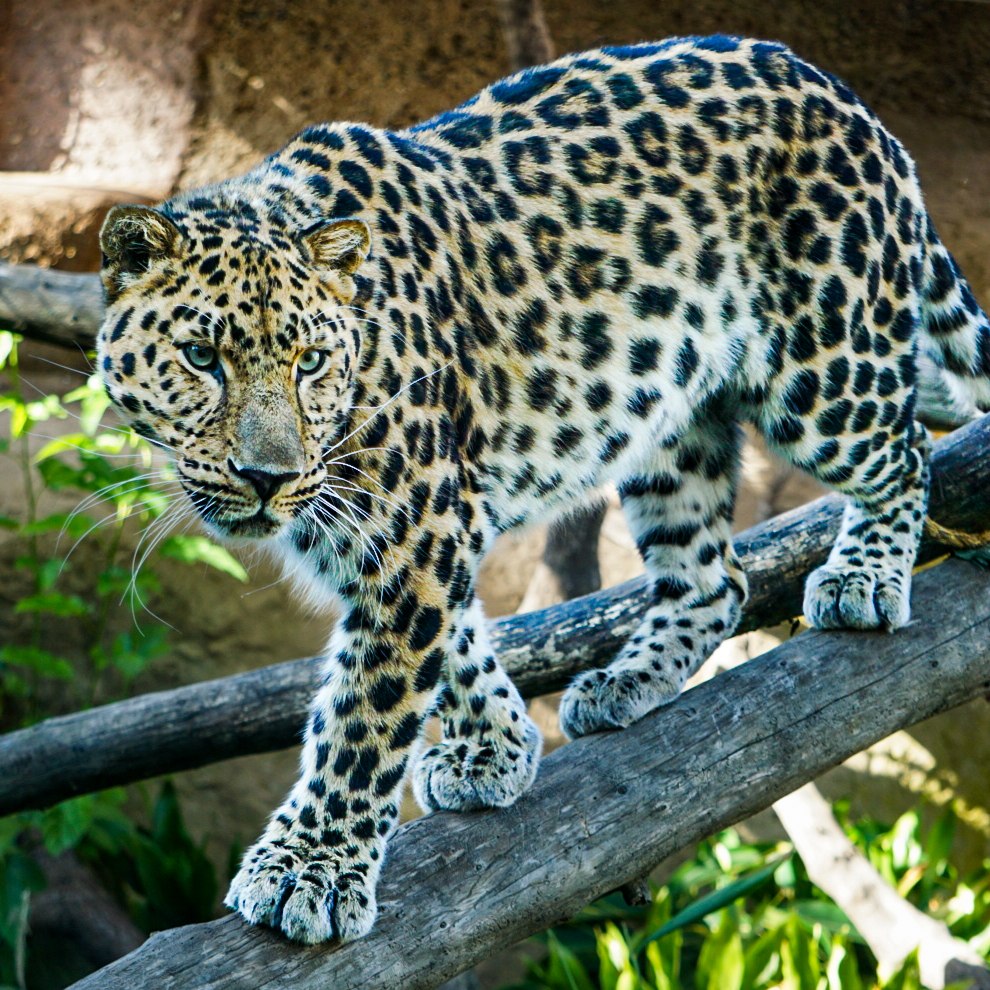
As the temperatures drop and daylight shortens, the feline residents of our ecosystems, such as the Amur leopard, effortlessly maintain their cool demeanor. Specifically, Tamur, the Amur leopard observed by many visitors, exhibits remarkable behaviors that illustrate the adaptability and resilience of such species. Understanding these aspects is essential not only for animal enthusiasts but also for those invested in conservation efforts and wildlife education.
The significance of Amur leopards in ecological balance extends beyond mere aesthetic beauty. These big cats play a vital role in maintaining species diversity. Acting as apex predators, Amur leopards help regulate prey populations, which in turn fosters a balanced ecosystem. Their presence influences the behaviors and distribution of other species, promoting a rich biodiversity. Consequently, the decline of such predators can lead to overpopulation of herbivores, which can degrade vegetation and disrupt the ecological web. According to the International Union for Conservation of Nature (IUCN), the Amur leopard is critically endangered, with fewer than 100 individuals estimated to remain in the wild. This urgent status highlights the pressing need for targeted conservation strategies to protect this majestic species.
Behavioral adaptations are crucial for cats like the Amur leopard as they adjust to seasonal changes. These felines exhibit a variety of adaptations in response to their environment. For example, Amur leopards have thick, luxurious coats that insulate them during cold months. They are also known for their stealth and climbing capabilities, allowing them to stalk prey effectively whether on flat lands or high in trees. Observations of Tamur show him effortlessly moving across wooden beams in his habitat, demonstrating agility and comfort in his physical environment.
These behavioral adaptations also encompass changes in hunting strategies. During colder months, food sources may be limited, leading leopards to adapt by expanding their hunting grounds or altering their prey preferences. For instance, they might focus on smaller or more abundant animals as larger prey becomes scarce. Understanding these behaviors provides insight into how animals cope with environmental shifts, which is vital for conservation efforts and zoo management.
Zoos play a significant role in wildlife conservation and education, serving as critical institutions for the protection of species like the Amur leopard. In addition to providing a safe sanctuary for animals, zoos contribute to breeding programs and research initiatives aimed at understanding and preserving genetic diversity. Education and outreach efforts are paramount for raising awareness about threatened species and promoting conservation measures. Engaging visitors through educational programs fosters a connection between the public and wildlife, enhancing the understanding of the challenges faced by species like Tamur.
Furthermore, modern zoos are moving beyond traditional exhibits. Interactive displays, behind-the-scenes tours, and digital media are being implemented to create immersive experiences. This approach allows visitors to gain a deeper appreciation for animal behavior and the necessity of conservation. The role of zoos in advocating for habitat protection is crucial, particularly as many species face habitat destruction due to urbanization, deforestation, and climate change.
Preserving habitats is essential for the survival of all wildlife, especially for species like the Amur leopard. As top predators, they require expansive territories to thrive. The degradation of forests in their native range reduces available prey and forces leopards into closer contact with human populations, which can lead to conflict. Therefore, habitat preservation efforts must prioritize the protection of entire ecosystems rather than isolated areas. Initiatives such as protected reserves, wildlife corridors, and sustainable land-use practices are invaluable strategies for maintaining habitat integrity.
Efforts to safeguard natural habitats also empower local communities. Many conservation projects involve collaborating with residents to promote alternative livelihoods that do not rely on exploiting wildlife or natural resources. Drawing on the example of the Amur leopard, educating communities about its ecological role engenders a sense of stewardship. When people see the benefits of preserving their environment, they are more likely to protect it.
Engaging the public in wildlife conservation is pivotal. Creating awareness through campaigns, volunteer opportunities, and educational programs can inspire community involvement. Events such as “Adopt-a-Leopard” programs help raise funds to support conservation efforts while allowing participants to learn more about the species they are helping. The connection formed through these initiatives fosters a sense of responsibility and advocacy for wildlife.
The significance of Amur leopards, alongside the behavioral adaptations of cats during shorter days and colder weather, underscores the importance of comprehensive conservation strategies. Modern zoos function as dynamic platforms for education and breeding, serving critical roles in ensuring the survival of threatened species. Meanwhile, habitat preservation and community engagement play pivotal roles in building a sustainable future for wildlife, mitigating the impacts of human activity on fragile ecosystems.
Tamur, the Amur leopard, exemplifies the adaptability and resilience of feline species. His casual confidence as he strolls along wooden beams captivates audiences and serves as a reminder of the profound beauty and complexity of wildlife. By embracing educational endeavors and conservation initiatives, we can collectively work to protect not only the Amur leopard but also the myriad of species sharing its habitat.
As we witness the shortening of daylight, it is essential to recognize the enduring spirit of wildlife, particularly those like Tamur who continue to thrive in challenging environments. The ongoing efforts to preserve their natural habitats and engage the public in conservation will define the future of our planet’s biodiversity. There’s a vital need for collaboration among zoologists, wildlife managers, and the public to forge pathways towards holistic conservation. As more people become aware of the stakes involved, we can foster a culture where wildlife appreciation translates into meaningful action.
Conservation is not merely a specialized field but a shared endeavor requiring participation across all sectors of society. People from various backgrounds can contribute uniquely to conservation efforts. Thus, it is imperative to disseminate knowledge about wildlife species and their roles in our environment. By leveraging the captivating presence of animals like Tamur, we can instill a sense of wonder and urgency in safeguarding the future of our ecosystems.
Protecting species such as the Amur leopard, coupled with their habitats and ecosystems, is crucial for maintaining balance in nature. As daylight wanes and temperatures drop, we are reminded that the resilience of cats, including the charming Tamur, remains steadfast. Through continued education, conservation engagement, and habitat preservation, we can support these incredible creatures and ensure that they truly remain as cool as they appear, even as the days grow shorter. The path ahead is laden with responsibilities, yet it also holds immense promise for wildlife and the natural world.
*****
Source Description
The days may be getting shorter, but the cats are staying just as cool! 😎🐆
📸: Animal Care Supervisor Ariel
Alt-text: Tamur the Amur leopard slyly makes his way across a wooden beam as he casually peeks at his admirers behind the observation window glass out of frame.
