
- The importance of partnerships in wildlife conservation and zoo management
- The role of horticulture in enhancing zoo environments
- Spring at Last Greenhouse: Contributions to zoo aesthetics and guest experience
- Environmental stewardship through gardening and plant selection
- The impact of plant life on animal welfare and habitat mimicry
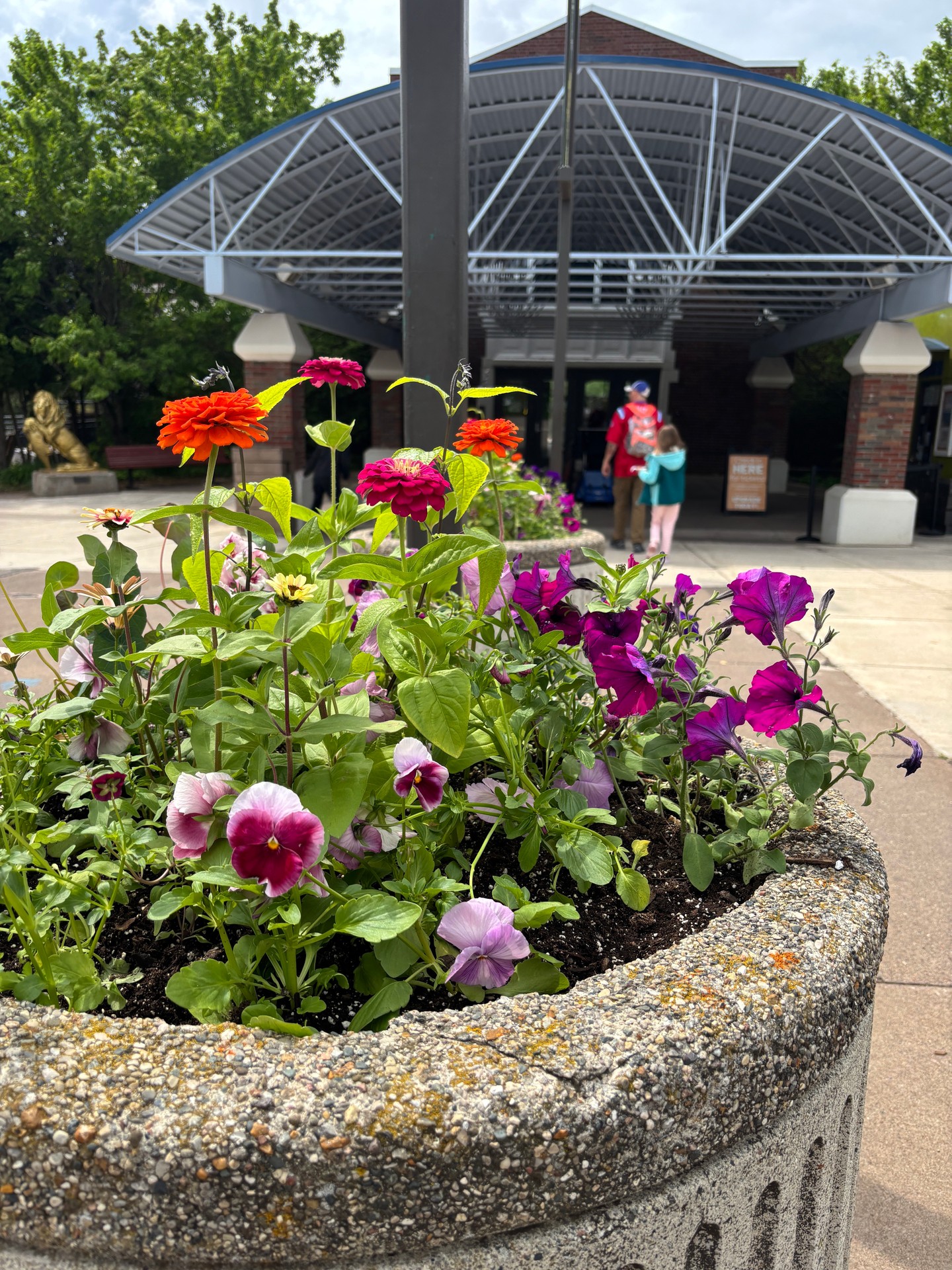
We frequently emphasize the significance of collaborations in wildlife conservation and zoo management. It is essential for institutions to work together to create rich, educational experiences for guests. A partnership with Spring at Last Greenhouse exemplifies this principle. For the past three years, they have supplied annuals for our front planters, welcoming visitors with a vibrant array of colors. This initiative not only enhances the visual appeal of our facility but also plays a critical role in animal welfare through thoughtful landscaping.
Horticulture serves as an important aspect in creating immersive environments within zoos. Plants contribute to the aesthetic experience of the zoo and can influence the psychological and physical well-being of the animals housed there. When selecting annuals and perennials, it is vital for botanical partners like Spring at Last Greenhouse to understand both the needs of the animals and the overall design of the space. Beautifully arranged planters provide a backdrop that draws visitors in and encourages them to engage with both the plants and the animal residents.
Spring at Last Greenhouse has shown incredible dedication to enhancing the zoo’s landscapes. Their selection of colorful annuals transforms entry points, signifying a transition from the outside world into an engaging, vibrant space. Guests are greeted with an eye-catching display, creating a lasting first impression. The bright flowers not only elevate the ambiance but can also serve practical purposes, such as attracting pollinators or providing habitat for smaller organisms that enrich the local ecosystem.
Moreover, the importance of environmental stewardship can’t be overstated. By collaborating with Spring at Last Greenhouse, the zoo is fostering a sense of ecological responsibility in the community. The principles of sustainable gardening, selection of native plants, and effective use of resources contribute to a balanced ecosystem. Plants can also help mitigate environmental challenges, such as soil erosion and runoff. Creating habitats that thrive on minimal resources can ensure resilience against the challenges posed by climate change.
In addition to enhancing the visual landscape, the integration of specific plant life directly affects the animals. Thoughtfully chosen greenery can mimic the natural habitats of the species present in the zoo, easing the animals’ stress and promoting natural behaviors. Various plants can provide not only visual enrichment but also nutritional sources for species that might consume foliage or fruits.
A rich floral display also engages visitors, educating them about the interconnectedness of ecosystems. Signage can provide information on both the plants and the animals. By observing how plant life impacts animal welfare, visitors can grasp key concepts related to conservation. For instance, understanding that certain flowers attract specific pollinators illustrates the interconnectedness of species, offering insights into how every living organism relies on one another for survival.
Plant life plays a role in forming microhabitats. Different plants can offer shade, shelter, and nesting sites, catering to various fauna. In addition, interactive displays can allow guests to learn about local flora and fauna, creating an environment of discovery. A visual landscape enriched by Spring at Last Greenhouse encourages a holistic understanding of wildlife conservation.
In summary, the partnership with Spring at Last Greenhouse embodies the essence of how horticulture and zoology converge to create meaningful experiences. Their contributions are not only about beautification but also about fostering educational opportunities about biodiversity and sustainability. Visitors are reminded, with every colorful bloom, of the vital roles that both animals and plants play in our ecosystems and the responsibility shared in conserving them.
This innovative partnership affirms that zoos can be more than mere exhibitions of wildlife; they can become hubs for educational outreach and environmental stewardship. The work undertaken by our partners is transforming the zoo into a living, breathing educational tool, sparking curiosity, and nurturing a commitment to both flora and fauna conservation. As these colorful annuals greet guests, they symbolize a larger mission—one that seeks to engage the community in conversations about wildlife conservation, habitat preservation, and the importance of maintaining ecological balance.
The responsibility lies with each visitor to reflect on how their actions contribute to the larger web of life. Through such connections, awareness grows, and with it, the promise of a future where wildlife and plant life thrive together with human communities.
*****
Source Description
We want to give a shout out to Spring at Last Greenhouse, our partner for the last three years for annuals in our front planters that greet guests as they arrive. Thank you to them for supporting the zoo and bringing this wonderful splash of color!
