
- Understanding the anatomy and behaviors of the snow leopard
- The behavior of snow leopards leading to a siesta
- Importance of natural habitat and enrichment in zoos
- Conservation efforts for snow leopards and their environments
- The role of public education in wildlife conservation
The snow leopard, scientifically known as Panthera uncia, is a captivating feline that thrives in the rugged mountains of Central and South Asia. Unlike many of their larger relatives, snow leopards possess distinct adaptations that allow them to navigate steep, rocky terrains with grace. One key aspect of their physiology is their long tail, which serves not only for balance but also can be wrapped around their body to conserve warmth. Their thick, spotted fur provides camouflage against the rocky environment, helping them ambush prey like ibex or mountain goats. Additionally, their large paws act as natural snowshoes, enabling this elusive predator to traverse deep snow.
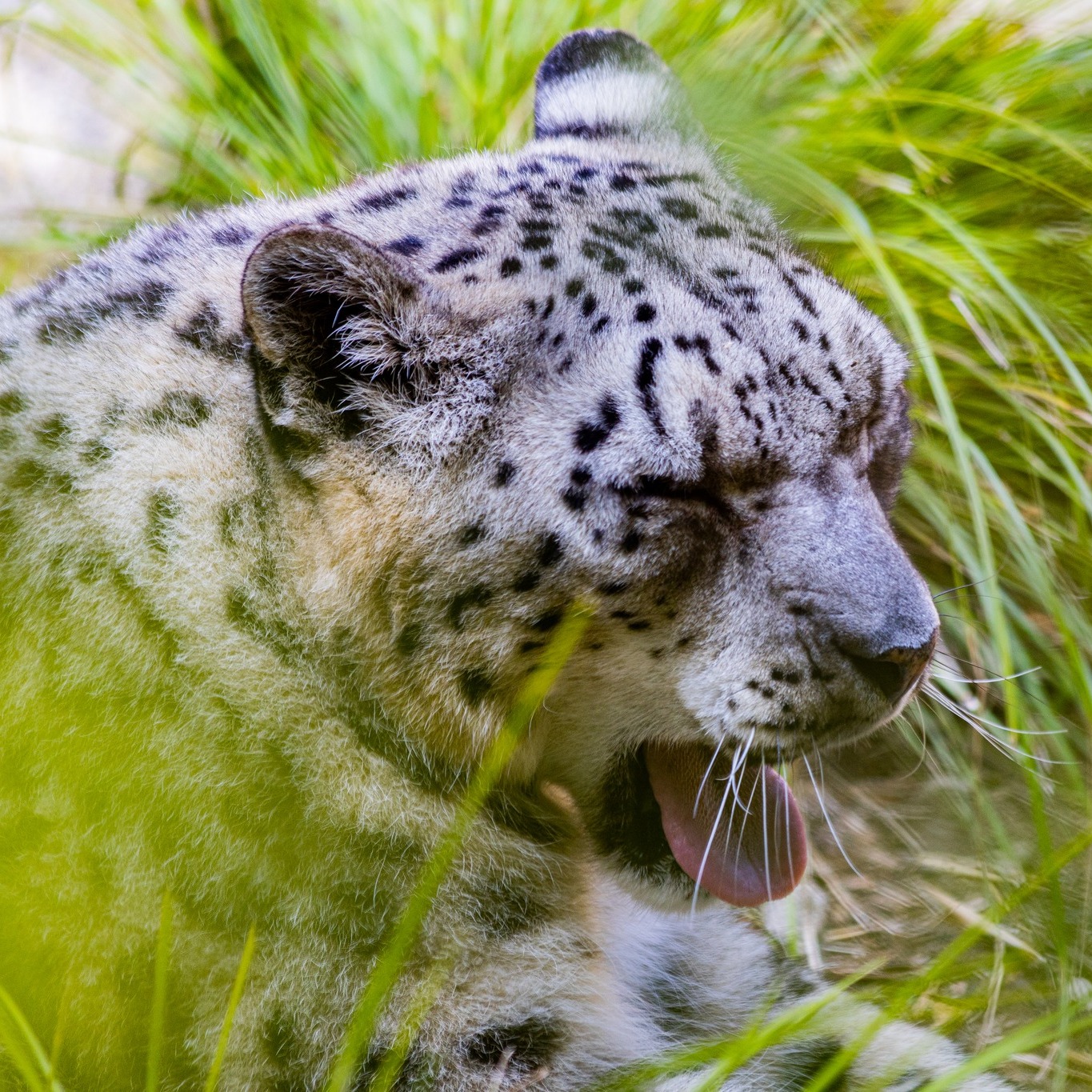
When observing a snow leopard, one may witness a telling sign that a siesta is imminent. As Kisa, the zoo’s resident snow leopard, settles into a shady spot among the shrubbery, certain behaviors become evident. First comes the signature yawn, a behavior often misunderstood. While it may appear trivial, yawning can signal a combination of relaxation and a readiness for sleep. In the animal kingdom, this act often shows not just fatigue but also a behavioral cue to other animals in the vicinity. It indicates contentment within the environment, paving the way for the subsequent stages leading to an extended rest.
Snow leopards are crepuscular, meaning they are most active during dawn and dusk. This trait influences their daily routines, which often culminate in long periods of rest during daylight hours when temperatures rise. As Kisa’s eyes grow heavy, she prepares for her afternoon nap, a crucial activity for her metabolic health. Sleeping can help conserve energy, especially in harsh environments where food may be scarce. This siesta can last several hours, making it a significant part of her daily behavioral pattern.
The environment in which snow leopards live plays a vital role in promoting their natural behaviors. In zoos, care must be taken to create habitats that mimic their native landscapes. Enrichment activities are designed to stimulate their mental and physical faculties. For instance, placing climbing structures, rocks, and foliage allows snow leopards to exhibit their natural climbing and hunting instincts. This is crucial for their well-being, especially in captivity. Without proper enrichment, these felines can develop stress and abnormal behaviors, negating the benefits of their carefully constructed habitats.
Zoos engage in direct conservation efforts for snow leopards. Through breeding programs, institutions can support genetic diversity and reintroduce individuals into the wild. Collaborative projects with organizations such as the Snow Leopard Trust focus on habitat conservation and restoring prey populations. These efforts impact not just snow leopards but entire ecosystems, promoting biodiversity in fragile environments where these cats reside. Efforts to combat poaching and human-wildlife conflict are equally essential. Education programs aim to raise awareness and demonstrate the importance of preserving these majestic creatures and their habitats.
Public education plays an integral role in wildlife conservation initiatives. Zookeepers, wildlife biologists, and conservationists provide opportunities for visitors to engage with the species through talks and interactive exhibits. Such interactions create a deeper understanding of the critical issues facing snow leopards in the wild. By adopting a snow leopard, supporting habitat conservation projects, or even visiting their local zoo, individuals contribute to ongoing conservation efforts. These collective actions foster a sense of stewardship toward wildlife.
Effective communication is key in engaging the public with intricacies around snow leopards and their needs. As visitors watch Kisa settle into her afternoon siesta, they can appreciate the adaptations and behaviors that enable snow leopards to thrive both in the wild and in captivity. By showcasing the natural stages leading to rest, educational programs foster a connection between the animals and the audience, promoting action in conservation.
The fierce yet tender nature of snow leopards speaks volumes about their significance in the ecosystem. As apex predators, they regulate prey populations, maintaining a balance that supports the health of their habitats. In recognizing this role, concerted efforts can be made to safeguard their environments. For those involved in zoo management and wildlife conservation, establishing partnerships with local communities is crucial. Collaborative strategies include educating people about sustainable practices and the importance of preserving natural habitats that support diverse species.
Community involvement is perhaps one of the most effective tools in ensuring long-term success in wildlife preservation. Snow leopards often venture near human settlements due to encroaching urbanization and habitat loss. Thus, programs aiming to mitigate human-wildlife conflict, such as compensation for livestock losses or promoting non-lethal deterrents, have become vital. These initiatives help foster coexistence and protect both human livelihoods and wildlife.
The genetic health of snow leopard populations must also be addressed. In zoos, genetic screening and careful breeding plans help maintain biodiversity. Genetic diversity is important to ensure that populations can adapt to changing environments and combat emerging diseases. The Capture, Transport, and Release (CTR) method is used by conservationists to reintroduce snow leopards into their historical ranges, while also addressing genetic considerations.
The future of snow leopards is inextricably linked to the health of their ecosystems. Snow leopards inhabit diverse landscapes ranging from alpine regions to rocky mountains. Effective conservation strategies demand an understanding of ecosystem dynamics. Initiatives that focus on conserving entire ecosystems rather than singular species yield more robust environmental health. Conservationists utilize research data, including satellite imagery and ecological surveys, to monitor changes over time and form data-driven strategies for effective action.
Research remains paramount in gathering insights about snow leopard behavior and ecology. Observatories and tracking devices allow biologists to follow snow leopard movements in the wild. Gathering this data contributes to knowledge about their territoriality, prey selection, and reproductive behaviors. Such systematic research efforts inform conservation strategies and empower movements toward safeguarding snow leopard populations.
In summary, understanding the behaviors of snow leopards, especially as they approach their signature siestas, offers insights into their needs for conservation and quality of life in habitats. The efforts made by zoos, wildlife organizations, and the public contribute to the future survival of these beautiful cats. Creating a world where snow leopards can thrive requires a collaborative approach and continued education. By doing so, society not only ensures the survival of snow leopards but promotes an enduring commitment to environmental stewardship.
*****
Source Description
Hold the dots below the picture and slide to see the stages of a sure sign of a soon-to-be snow leopard siesta! 😻💤
Alt-text: Kisa the snow leopard lets out a ferocious yawn as she gets cozy amidst the shady and cool shrubbery of her habitat at the Zoo.
