
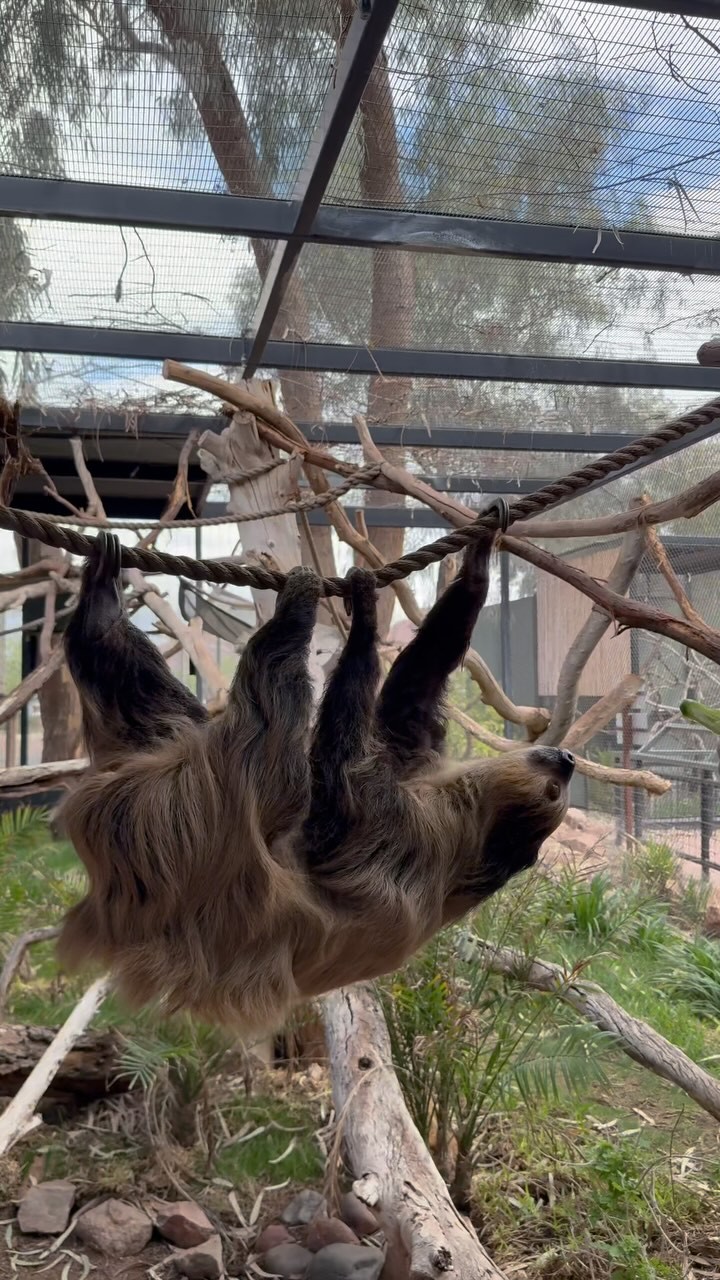
- Fernando’s Habitat and Behavior: Understanding the life of a sloth.
- The Importance of Enrichment: How snack time aids in zoo management.
- Conservation Efforts: The role of zoos in wildlife protection.
- Educational Opportunities: Engaging the public in animal care.
- Technological Adoption: Using social media to raise awareness and support.
Snack time with Fernando the sloth presents a delightful and insightful look into the daily activities of a zoo inhabitant. Fernando is not just any sloth; his tranquil routine provides a platform for learning about his species, their habitats, and the efforts being made to protect them. Sloths are arboreal mammals, primarily found in the tropical rainforests of Central and South America. Their slow movements are an evolutionary adaptation to conserve energy, reflecting a unique way of life that captures interest from many.
Understanding sloths like Fernando involves exploring their dietary preferences and behavior. Sloths are folivores, primarily consuming leaves, buds, and tender shoots. This diet is supplemented occasionally with fruits and flowers. Their incredibly slow metabolism allows them to digest these fibrous materials over an extended period, usually taking several days to process a single meal. Observing Fernando’s snack time offers insights into this meticulous digestion process, demonstrating how these animals balance energy conservation with nutrient absorption.
At the heart of Fernando’s routine lies the importance of enrichment in a controlled environment. Enrichment is crucial in zoo management as it maintains the animals’ physical and mental well-being. For sloths like Fernando, snack time is not only a feeding ritual but also a critical enrichment tool. Carefully planned activities, such as varied food presentations and interactive feeding sessions, stimulate natural behaviors. These sessions help sloths maintain their instincts and skills, mirroring the challenges they would encounter in the wild.
Conservation is a fundamental aspect of every modern zoo, serving as a refuge for endangered species and a bastion for biodiversity preservation. Sloths face numerous threats, including deforestation and habitat fragmentation. By housing animals like Fernando, zoos play an integral role in conservation efforts. Through breeding programs and research, zoos contribute to maintaining healthy populations and restoring numbers in the wild.
Moreover, zoos serve as educational platforms, offering the public a chance to engage directly with wildlife conservation. Fernando’s snack time becomes an educational opportunity, drawing attention to the sloth’s plight and the ecosystems upon which they depend. Interactive exhibits and informative sessions foster a connection between visitors and the animal kingdom, instilling a sense of responsibility and stewardship for nature.
In today’s digital age, technological integration is pivotal for boosting awareness and support for conservation causes. Social media platforms, like Instagram, are becoming essential tools for wildlife advocacy. Videos and pictures of Fernando enjoying his snacks can reach global audiences, generating interest and empathy far beyond the zoo’s physical location. These platforms facilitate fundraising, community engagement, and public participation in conservation missions, amplifying the impact of on-the-ground efforts.
Fernando, the sloth, represents more than just a charming visage for zoo visitors. He embodies the complex interplay between animal care, environmental education, and technological influence. By observing and learning from Fernando’s snack time, audiences are offered a window into the life of a species often overshadowed by more charismatic fauna. Through continued efforts in zoo management and conservation, sloths like Fernando can thrive, ensuring that these invaluable creatures remain part of our world for future generations.
*****
Source Description
Snack time with Fernando 🦥🫛
