
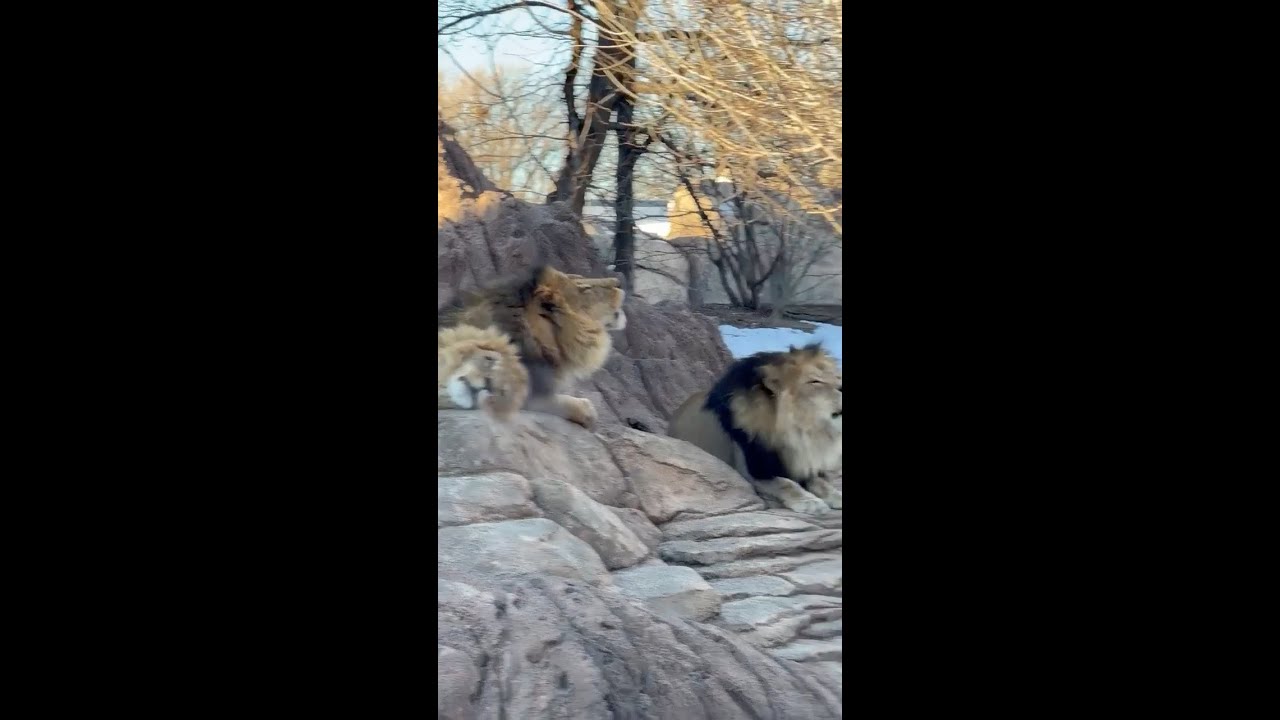
- Explore the behavioral adaptations of lions during winter and how snow influences their activities.
- Understand the challenges and techniques in zoo management for ensuring the well-being of lions in colder climates.
- Highlight the role of enrichment activities like snow days in promoting physical and mental health in captive lion prides.
- Discuss the importance of wildlife conservation and education through programs that provide natural experiences to animals in captivity.
- Examine the broader implications of simulating natural habitats and conditions for captive animals in terms of conservation and public awareness.
Lions, renowned as apex predators of the African savannah, exhibit fascinating behavioral adaptations when exposed to environments far removed from their natural habitats. One such scenario unfolds during a snow day for the lion pride, where the usual sun-drenched plains transform into a wintry landscape. This adaptation is part of an intriguing interplay between the wildlife, environmental stimuli, and zoo management efforts to enrich captive animal life.
The transformation from the warmth of their original homes to snowy landscapes presents unique challenges and opportunities. Lions, unlike animals adapted to cold climates, experience a shift in their daily activities and interactions. Their coats, typically suited for the hot climate, offer minimal insulation against the cold. Consequently, observing these majestic animals frolic or huddle in snow provides valuable insights into their flexibility and resilience.
Behaviorally, lions on a snow day tend to be more playful. The novelty of the snow stimulates them, leading to increased levels of activity. This is an essential aspect of their cognitive stimulation, critical for animals in captivity. Such environmental changes serve as mental and physical enrichment, much needed to break the monotony of captivity. Engaging with their new surroundings can spark curiosity and playful interactions, mimicking hunting and territorial behaviors observed in the wild.
Managing a lion pride in snowy conditions requires strategic efforts from zoo personnel. The primary concern is the welfare of the lions, needing adaptations in their daily care to accommodate the colder climate. Heated shelters become crucial, providing a retreat from the biting cold when necessary. Additionally, diet adjustments ensure that lions receive adequate nutrition to maintain their energy levels and body temperature.
Zoo management must balance these necessities with enrichment activities that promote healthier lifestyles for the animals. Snow days offer an unprecedented opportunity to introduce environmental enrichment that challenges the lions’ physical capabilities. Snow-embedded puzzles or feeding challenges simulate the complexity of finding food in the wild, honing the lions’ problem-solving abilities.
These activities are not solely for entertainment but form a fundamental part of maintaining the lions’ health. Physical exercise is crucial in preventing issues such as obesity and muscular atrophy, common in captive settings where space and stimuli are limited compared to the wild. Therefore, zoo staff design activities that mimic hunting behaviors, encouraging lions to move, chase, and pounce.
Beyond the immediate welfare of the lions, snow days also play a significant role in wildlife conservation education. Such initiatives help bridge the gap between captive and wild existence, providing a more holistic understanding of animal behavior to visitors. Educating the public about lions’ adaptability and the effort required to maintain their well-being is vital. This awareness promotes a deeper appreciation for wildlife and supports broader conservation efforts.
Snow days for the lion pride highlight essential conservation discussions. They emphasize the need for creating environments that closely replicate the animals’ natural habitats. By doing so, we provide them with a life that respects their behavioral and physiological needs, even in captivity. Simulating natural conditions reinforces critical survival skills, helping lions maintain behaviors beneficial if released or relocated back to the wild.
Additionally, these experiences underscore the importance of research and observation in zoological settings. By studying how lions interact with snow, researchers gain insights into their adaptability, informing future conservation strategies. This data can be pivotal when addressing issues such as climate change, habitat loss, and the development of rewilding programs.
The broader implications of providing such natural experiences extend to encouraging public discourse on environmental conservation. Witnessing lions adapt to snow fosters a connection between people and the natural world, enhancing empathy and support for conservation initiatives. As urbanization and technological advancements distance humans from nature, zoos function as vital conduits for fostering this connection.
In conclusion, a snow day for the lion pride is a multifaceted event shedding light on various aspects of captivity, adaptation, and conservation. It serves as a practical example of the dynamic efforts required to maintain and enrich the lives of captive lions. By facilitating these natural experiences, zoos not only enhance animal welfare but also inspire conservation awareness and action amongst the public. Through education and engagement, these initiatives help secure a future where both wildlife and humanity can thrive in harmony.
*****
Source Description
Our lions made the most of last week’s snow day! ❄️🦁
While the boys chose the cozy route, lounging on the heated rock in their yard, Araali and her cubs were busy turning the snow into their own playground, spending the day running and playing together.
Video: Event Captain, Molly McCormick (@mollymccormickphoto)
#DenverZooConservationAlliance #Snowday #Lions #AfricanLions #LionCubs #LionPride #SavingWildlifeTogether
