
- Understanding the Climate and Geography of Texas
- The Impact of Snow Days on Wildlife and Conservation
- The Experience of a Snow Day in Texas Zoos
- The Role of Conservation Ambassadors in Wildlife Education
- Future Implications of Climate Variability on Texas Wildlife
Snow days in Texas create a rare spectacle, beautiful yet complex, as the state’s typically warm climate transforms into a winter wonderland. Often, this shift is accompanied by unique challenges and opportunities for both humans and wildlife. To comprehend the significance of these snow days in Texas, we must first understand the region’s climate and geography.
Texas spans vast areas with diverse ecological zones, ranging from arid deserts in the west to lush forests in the east. This geographic variety means that weather patterns can differ drastically within the state. For instance, while North Texas may see significant snowfall, regions like South Texas may experience just a chill, reflecting the state’s diverse climatic influence. Snowfall can occur in Texas during the winter months, particularly between December and February. However, accumulation is typically light and unpredictable. Even a minor snow event can bring the state to a standstill, disrupting transportation and daily life.
For wildlife, snow days present a mix of challenges and adaptations. Many animals are not equipped to handle significant snowfall. Local fauna, such as deer and birds, may struggle to locate food under a layer of snow. For reptiles and amphibians, colder temperatures can lead to hibernation-like states. In contrast, some mammals may thrive; dormant species utilize this opportunity to restore energy reserves. Understanding these behavioral adaptations is vital for ensuring effective conservation strategies tailored for varying weather conditions.
When snow blankets the state, the effect on organizations such as zoos becomes stark. The thick layer of white not only alters the appearance of these institutions but also influences animal behavior. Most species housed in zoos are not natural inhabitants of snowy terrains. As a result, administrators must carefully monitor the stress levels and changes in habits of resident animals. This offers a unique chance to observe zoo inhabitants going through different experiences, albeit in controlled environments. Zoos take specific precautions to maintain animal welfare during snow days. Indoor habitats are heated, allowing species from warmer climates to comfortably reside while snow covers the outside exhibits.
As citizens venture outside into the chill, the Conservation Ambassadors of Texas remain indoor, ensuring their responsibilities for wildlife education are fulfilled. These skilled professionals serve as crucial points of contact for educating the public about local conservation issues and animal care. On snow days, they utilize this opportunity to discuss the impact of cold climates on wildlife and effective strategies for fostering conservation practices within communities. Their role is vital in cultivating a sense of stewardship within citizens, especially when climate fluctuations become increasingly notable.
Understanding the implications of climate variability on wildlife in Texas is crucial for the future. Climate change poses threats such as altered habitats, food shortages, and shifting migratory patterns. For example, severe weather events like unexpected snow days can significantly affect animal populations that are already vulnerable. Conservation practices must therefore evolve. Awareness of these challenges can lead to better policies designed for wildlife protection. Reassessing existing strategies allows conservationists to address both immediate impacts and long-term ecological pressures.
Snow days in Texas serve more than just a visual spectacle; they provide learning opportunities grounded in scientific knowledge and conservation applications. For homebound families, the rare chance to enjoy hot cocoa while watching snowflakes fall can inspire conversations about wildlife and the delicate balance of ecosystems.
Understanding the diversity of the Texas climate enhances appreciation for these snow events. Many residents may believe that snow is simply a picturesque phenomenon. However, it brings with it a series of challenges for wildlife, conservation efforts, and human activities. Conversations spurred by these unique weather events can strengthen community engagement in local conservation strategies.
Educational programming is essential to this endeavor. School programs often pivot in response to weather changes, allowing children to learn about animal care and the necessary adaptations for colder climates. Workshops or virtual events can explore how snow impacts Texas animals. Such education fosters a connection between residents and their local ecosystems, encouraging more people to contribute to conservation efforts.
As visitors enjoy the rare chance to experience a snowy Texas, it is also vital to consider how climate conditions impact yearly rhythms in animal behavior and conservation efforts. Adaptations in animal physiology during colder months can lead to behavioral shifts. For example, mammals like the American black bear enter a state of hibernation to survive winter months. Such behaviors give insight into the ongoing cycles of life, and conservation organizations can provide extensive information to audiences about these patterns.
Each weather phenomenon, including snow days, allows zoos to engage in research that aids in conversations about animal welfare and conservation. Analysis of physiological responses to cold weather provides data for future implementations of animal care practices. Understanding these responses is important for institutions managing diverse species, each requiring specific conditions to thrive.
Additionally, these snow challenges highlight the importance of local wildlife education programs. Community engagement fosters meaningful interactions with nature and ignites curiosity about the flora and fauna around them. When snow covers local parks and gardens, it creates a unique opportunity for families to explore. Outdoor games or hikes can lead to enhanced learning about local wildlife, further bridging gaps between people and nature.
Another important aspect to consider is how these climate variations may impact breeding cycles for certain species. Disturbed patterns can lead to asynchrony in food availability for young animals, emphasizing the need for adaptive strategies in conservation management practices. Institutions must prepare for these shifts by developing proactive measures that can mitigate potential impacts on species populations.
As snow days become a more recurrent occurrence, driven in part by climate variability, it becomes essential to reassess community attitudes towards conservation. Engaging discussions about wildlife protection during essential learning moments can pave the way for a more future-minded approach to environmental stewardship. Thus, developing a culture of active participation in conservation begins with fostering awareness and understanding of current climate challenges.
In examining the layers of ecological processes affected by snow days in Texas, the interconnectedness of climate, wildlife, and community becomes visible. Each aspect is significant in crafting informed conservation strategies. Overall, recognizing these links ensures a deeper appreciation for the role of each individual in promoting environmental sustainability.
Snow days in Texas not only offer an extraordinary moment of beauty but also serve as a catalyst for education and conservation efforts. They represent a unique intersection of human experience and ecological awareness, inviting communities to engage meaningfully with their environment. Prioritizing wildlife conservation and education during these compelling weather phenomena will help build a future grounded in sustainability and respect for the natural world.
This unique weather event can thus become a significant driving force for positive change, bridging communities with their local environments and enriching understanding about the vital need for wildlife conservation.
*****
Source Description
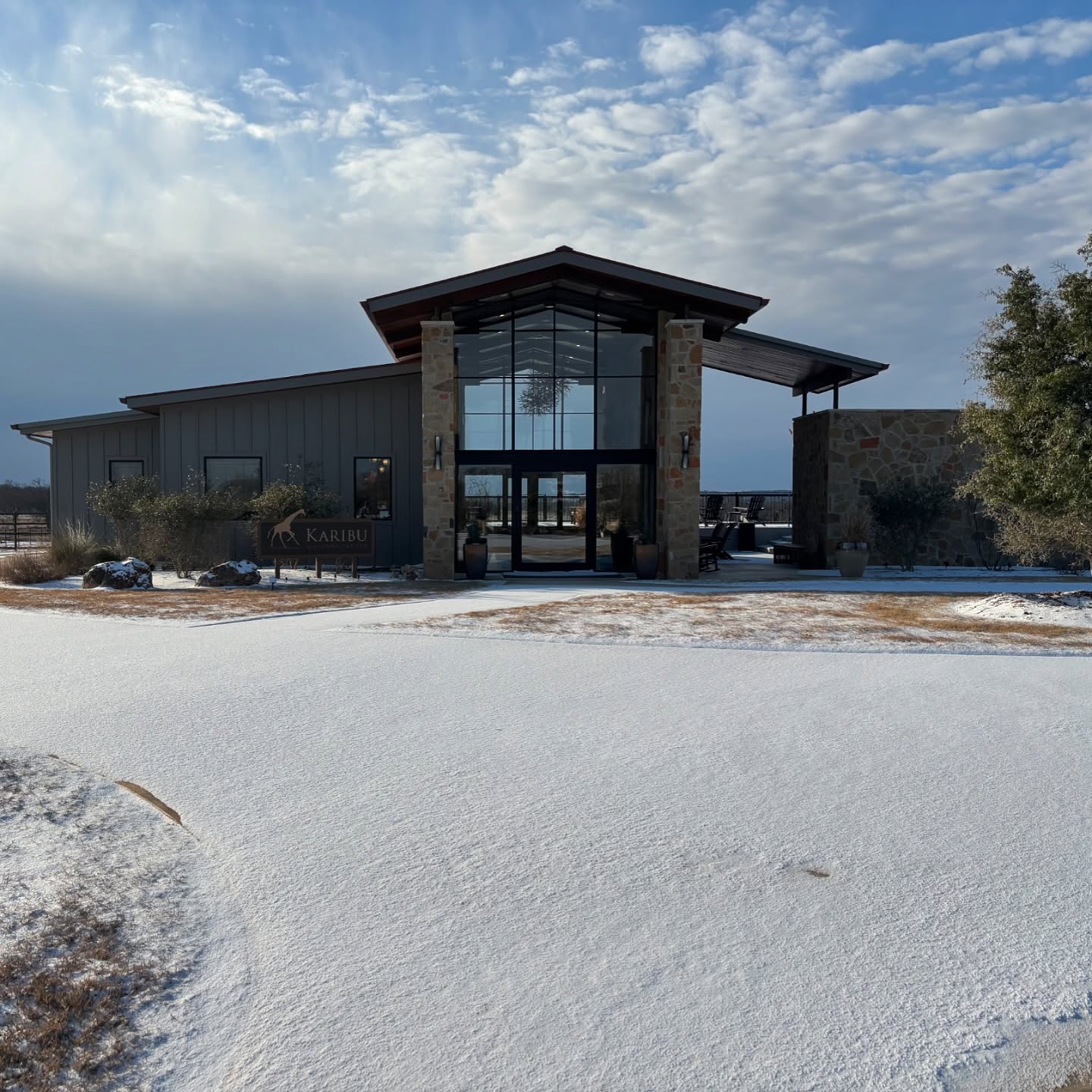
Snow day in Texas! Don’t worry, the only mammals outside are the people! All of our Conservation Ambassadors are snug inside our heated barn! 🦒🦏🦥
