
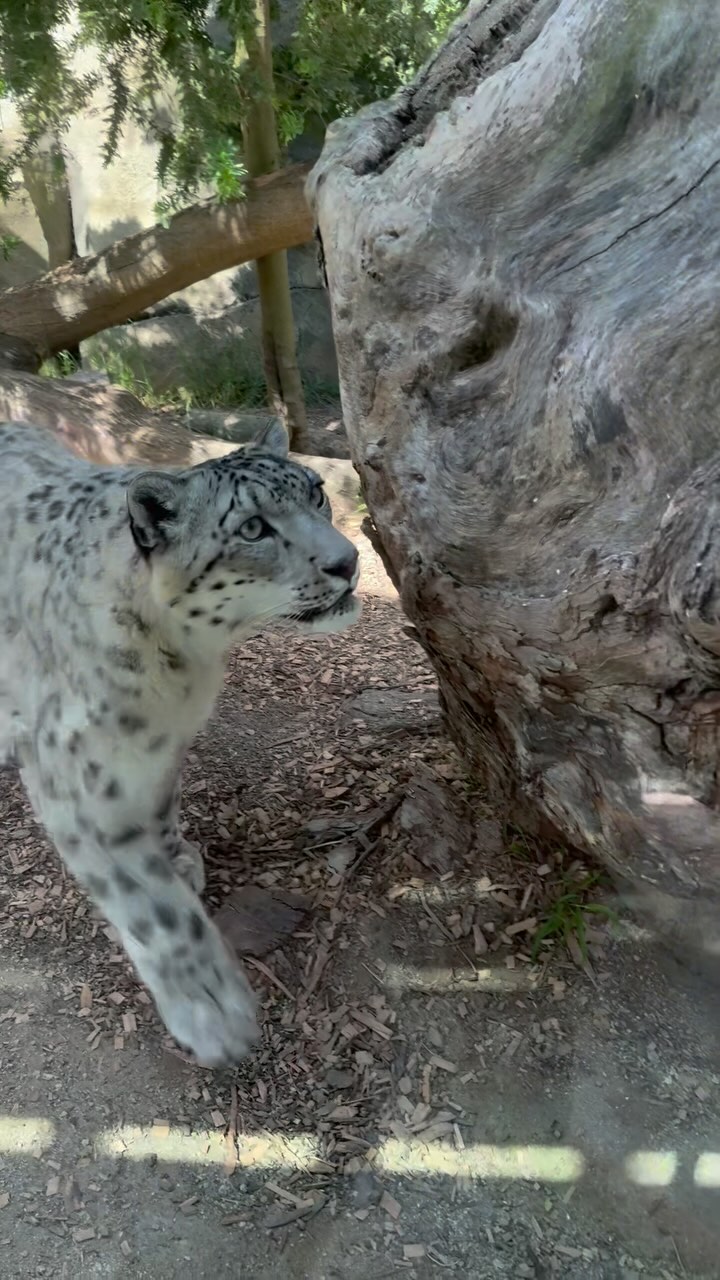
- The behavioral adaptations and diet of snow leopards in captivity.
- The significance of Jimmy G.’s snack session in terms of animal welfare.
- The role of zoos in snow leopard conservation efforts.
- The challenges and strategies in maintaining the health and well-being of snow leopards.
- The impact of educational and recreational content on wildlife awareness.
Snow leopards, renowned for their stunning beauty and elusive nature, inhabit the rugged terrains of Central Asia. These big cats are adapted to cold, mountainous regions, making them masters of survival in some of the harshest environments on Earth. In captivity, such as in zoos, their care requires an in-depth understanding of their natural behaviors and needs. Snow leopard Jimmy G., a prominent inhabitant of a zoo, has recently captured attention for his nonchalant snack session, not only highlighting his instinctive behaviors but also shedding light on the broader conversation surrounding zoo-based conservation and animal welfare.
Behavioral adaptations and dietary habits of snow leopards are central to understanding their survival both in the wild and in captivity. In their natural habitat, snow leopards are primarily solitary and territorial animals. They are carnivorous predators, predominantly hunting mountain goats and sheep. Adapting these natural hunting instincts to a zoo environment involves meticulous planning by zookeepers and biologists. To address the dietary needs of snow leopards like Jimmy G., zoos often replicate their natural diet with similar prey items such as rabbit, chicken, and specialized carnivore diets to maintain their health and vigor.
Jimmy G.’s effortless snack session might appear simple, yet it is a carefully managed aspect of his daily life. Such interactions align with providing enrichment that stimulates his instinctive behaviors, preventing boredom and promoting physical fitness. The enrichment activities, including effortless feeding opportunities, are crucial for mental and physical health, offering a glimpse into the elaborate care regimes designed to simulate the challenges snow leopards would face in the wild. These practices emphasize the essential role of animal welfare in captivity, ensuring creatures like Jimmy G. lead fulfilling lives.
Zoos play a pivotal role in the conservation efforts of species such as snow leopards. With their populations dwindling due to habitat loss, poaching, and climate change, captive breeding programs in zoos become critical. Institutions housing snow leopards take part in global breeding programs aimed at promoting genetic diversity. These programs often involve international cooperation and scientific research, ensuring the long-term viability of snow leopard populations. Educating visitors about these beautiful cats through real-time interactions and digital content, like the recent Instagram reel of Jimmy G., serves to raise awareness about their conservation status and inspire action.
Maintaining the health and well-being of snow leopards in captivity involves overcoming several challenges. Snow leopards possess unique physiological and psychological needs that require constant attention. Zookeepers and veterinarians must ensure that their environments are tailored to support natural behaviors like stalking, climbing, and resting in secluded areas. Monitoring health indicators, nutrition, and reproductive health present continuous challenges, tackled by advancements in veterinary care and a deep understanding of feline biology. The efforts to maintain captive snow leopards are vital to prevent diseases and promote longevity.
Educational and recreational content featuring snow leopards like Jimmy G. serves a crucial function in fostering public interest and understanding of these animals. The digital age allows for broader dissemination of such content, effectively reaching audiences who might not otherwise engage with conservation topics. Highlighting the everyday lives and behaviors of animals in captivity creates relatable connections, prompting interest in wildlife conservation and environmental stewardship. Such engagement is pivotal in creating a more informed public, motivated to contribute to conservation efforts through education and advocacy.
In summary, the incident of snow leopard Jimmy G. grabbing a snack with little effort goes beyond a simple viral moment. It underscores the complexities and rewards of caring for these majestic cats in captivity, the critical function of zoos in wildlife conservation, and the importance of public engagement in conservation efforts. Through understanding these facets, we can appreciate the intricate connection between animal behavior, zoo management, and conservation efforts that help preserve the majestic snow leopard for future generations.
*****
Source Description
Snow leopard Jimmy G. grabbing a snack with little effort: priceless!
