
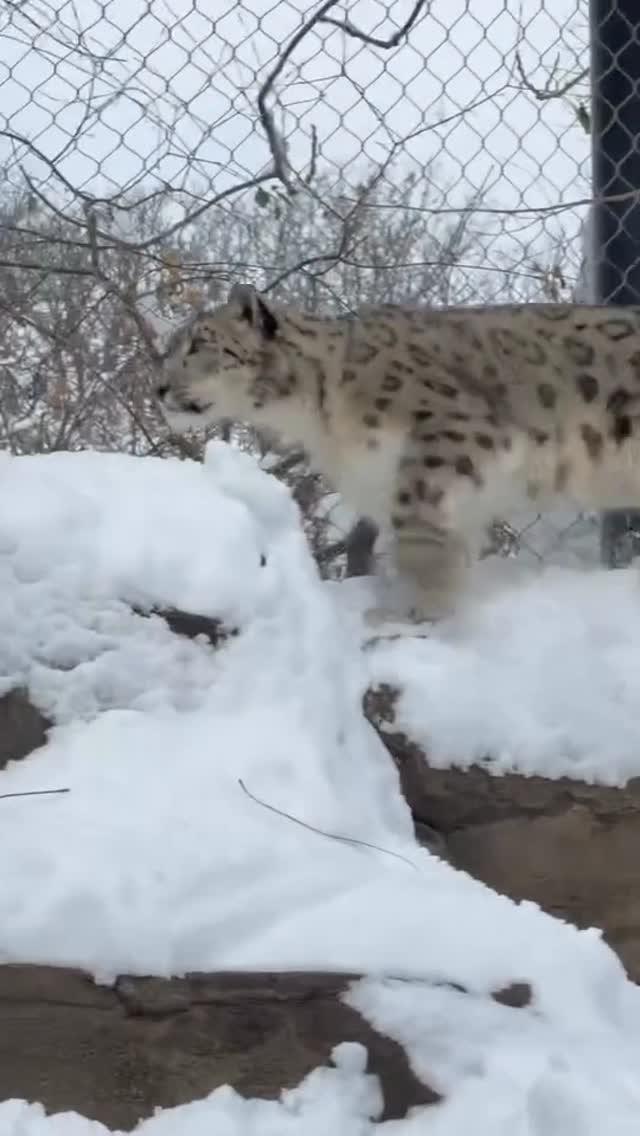
- Snow leopards’ unique adaptations and behaviors in snowy habitats
- The ecological role of snow leopards in their environment
- Conservation status and efforts to protect snow leopards
- Importance of genetic diversity in snow leopard populations
- Challenges snow leopards face due to environmental changes and human activity
Snow leopards are often described as one of nature’s most fascinating big cats. With their specialized adaptations and behaviors, they thrive in the rugged, mountainous terrain of Central and South Asia. Snow leopards possess large paws that function much like snow shoes. This physical characteristic allows them to maneuver effortlessly across deep snow, preventing them from sinking as they walk or leap. This adaptation is crucial for their hunting strategies, especially in environments where snow can be several feet deep.
Their thick, smoky-gray fur is not just for show. This coat is beautifully patterned with dark rosettes and spots that provide effective camouflage against rocky outcrops and snowy backgrounds. Snow leopards are also equipped with long, thick tails that aid in balance; they can use their tails for support when navigating steep cliffs. These physical traits make them highly proficient hunters, allowing them to stalk prey stealthily.
Snow leopards primarily feed on various ungulates, like blue sheep and ibex. Their hunting technique relies on stealth and powerful leaps. They can jump up to six times their body length in one bound, which is remarkable given their size. Once they locate their target, they pounce silently, using the element of surprise to their advantage. This hunting strategy is essential in ensuring their survival in the harsh mountain environment.
The ecological role of snow leopards is significant. As apex predators, they help maintain the balance of their ecosystems. By preying on herbivores, they regulate populations and contribute to the overall health of the grassland and mountain habitats. This balance is critical for preserving biodiversity in these regions. When snow leopard populations decline, it can lead to overgrazing by herbivore populations, negatively impacting vegetation and other wildlife species.
However, snow leopards face numerous threats that have led to their classification as vulnerable by the International Union for the Conservation of Nature (IUCN). Human-wildlife conflict is a primary concern. As livestock grazing expands into snow leopard territories, these big cats often come into conflict with local communities. Farmers sometimes retaliate against snow leopards by poisoning or trapping them, leading to devastating population declines.
Climate change poses another significant threat. As global temperatures rise, the habitats of snow leopards are changing, affecting their prey and the availability of suitable terrain. Warmer temperatures can also lead to more unpredictable weather patterns, making hunting more difficult. Moreover, melting glaciers can impact water sources that sustain habitats, further destabilizing these delicate ecosystems.
Conservation efforts are critical for the survival of the snow leopard. Organizations are working to create protected areas that safeguard their habitats and implement community-based initiatives to reduce human-wildlife conflict. Educating local populations about the ecological benefits of snow leopards can foster coexistence. Utilizing methods like livestock protection programs can help farmers safeguard their animals while allowing snow leopards to thrive.
Genetic diversity is vital for the health of snow leopard populations. A diverse gene pool allows species to adapt to environmental changes and resist diseases. Unfortunately, many snow leopard populations are isolated due to habitat fragmentation. Genetic studies aim to assess the diversity of these populations to inform conservation strategies. Enhancing connectivity between isolated habitats may promote genetic exchange and improve overall population viability.
Monitoring tools, such as camera traps and GPS collars, have become essential in snow leopard research. These technologies provide insights into their behavior, movement patterns, and habitat use. By understanding how these cats interact with their environment, conservationists can make more informed decisions about habitat protection and restoration.
Long-term success in snow leopard conservation relies heavily on collaboration. Countries ranging from Nepal and Bhutan to Mongolia and India are working together to share knowledge and resources. International partnerships enhance research efforts and conservation initiatives. By strengthening local and global commitments to snow leopard protection, there is hope for the future of these remarkable creatures.
In summary, snow leopards exhibit a range of fascinating adaptations that allow them to excel in mountainous habitats filled with snow. They play a critical ecological role as apex predators. However, they face formidable challenges brought on by human activities and climate change. Conservation efforts aimed at protecting this species are vital, and ongoing research helps inform these initiatives. The preservation of snow leopards is not only important for their survival but also for the health of the ecosystems they inhabit.
*****
Source Description
Snow leopard doing snow leopard things!
Snow leopards have large paws that act like snow shoes so they don’t sink as they walk (or jump) through the snow. ❄️
Snow leopards are classified as vulnerable in the Wild by the International Union for the Conservation of Nature (IUCN).
📹: Zoo guest Logan
