
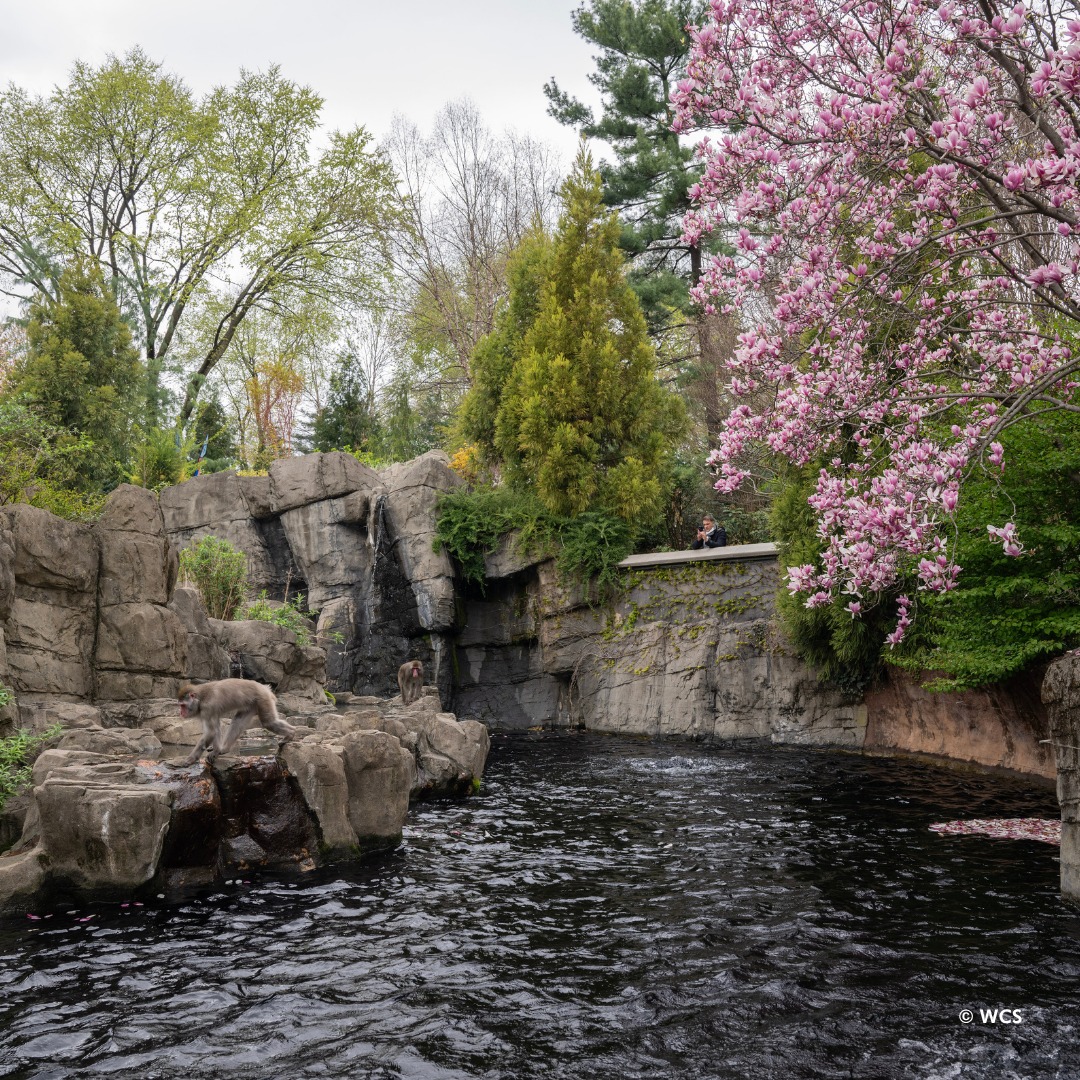
- The habitat of Japanese macaques and its similarities to their natural environment.
- The social structure and behavioral traits of snow monkeys.
- The role of the heated pool in promoting health and wellbeing.
- Conservation efforts surrounding Japanese macaques.
- The significance of public education and awareness in wildlife preservation.
Japanese macaques, often referred to as snow monkeys, inhabit a carefully crafted sanctuary that mirrors their natural habitat in Japan. Located on an island in the center of the Temperate Zone, this environment is thoughtfully arranged to parallel the conditions these primates thrive in. One of the most notable features is a heated pool that serves as an artificial hot spring, similar to the thermal waters the monkeys enjoy in their native landscape. This enhances their quality of life, particularly during the colder months when temperatures drop significantly.
Japanese macaques are prevalent in various regions of Japan but are most famous for their affinity for snow. They showcase remarkable adaptations that allow them to survive in colder climates, making them the northernmost non-human primates. Their thick fur coats and social behaviors enable them to withstand harsh winter conditions, which is a focal point in understanding their adaptations for survival.
Social structure plays a vital role in the behavior of snow monkeys. These primates are known for their complex social hierarchies and social interactions. Living in large groups, known as troops, Japanese macaques exhibit a range of social behaviors including grooming, play, and communication. Grooming is particularly important; it strengthens social bonds and establishes hierarchies within the troop. The monkeys often engage in play, allowing younger individuals to develop vital social skills while contributing to group cohesion.
The heated pool serves not just as a leisure area but also plays a role in their health and survival. During the winter, the thermal springs in Japan provide comfort and warmth, and the heated pool replicates this essential aspect of their habitat. The warm water is not only a place for relaxation but also aids in the monkeys’ hygiene and warmth. Regular bathing can help them maintain healthy skin and fur, which are crucial for thermoregulation during frigid conditions.
Conservation efforts targeting the Japanese macaques are increasingly important as their populations face various threats. Habitat destruction, climate change, and human-wildlife conflict are significant challenges that jeopardize their survival. As these monkeys inhabit regions that are affected by urban development, the need for effective conservation strategies has become more urgent. Various organizations are working to create protected areas and restore natural habitats, ensuring that future generations can observe this species thriving in conditions similar to their natural environment.
Public education plays a critical role in conservation efforts. By raising awareness about the challenges faced by Japanese macaques, zoos and wildlife organizations foster a deeper understanding of the species. Educational programs encourage visitors to engage with the realities of wildlife conservation. Effective outreach can inspire action, leading to community involvement in protecting natural habitats and supporting initiatives that benefit both wildlife and their ecosystems.
Japanese macaques rely heavily on their environments for social interactions and physical wellbeing. The social systems within their troops highlight the importance of community in animal behavior. In these groups, individuals develop relationships that extend beyond mere fitness advantages. They learn to communicate through a variety of vocalizations and body language, forming bonds that enhance group stability.
The heated pool area also serves as an educational tool for visitors and researchers alike. Observing monkey behavior around water can offer insights into their natural instincts and preferences, providing an understanding of their adaptation to environments that experience cold winters. This artificial hot spring mimics their winter habitats in Japan, allowing for valuable behavioral studies.
Conservation efforts can take many avenues, including habitat restoration projects, legislative advocacy, and community engagement. A successful conservation strategy often combines scientific research with efforts to involve local populations who may also depend on the surrounding ecosystems. Engaging communities encourages sustainable practices that benefit both the monkeys and the humans living nearby.
Japanese macaques also participate in intricate food foraging strategies. They often demonstrate the ability to use tools, showcasing their intelligence and adaptability. This skill is vital when it comes to accessing food sources in their environment. The complexity of their foraging behaviors underscores their cognitive capabilities and social learning as they observe and mimic one another.
The challenges that Japanese macaques face extend beyond habitat loss. Climate change poses another critical risk to their survival, affecting food availability and migration patterns. As temperatures rise, the landscapes these animals inhabit may transform, potentially leading to reduced habitats and increasing competition for resources among different species.
Creating awareness and promoting educational initiatives are essential parts of conservation. These efforts provide essential knowledge about Japanese macaques and their ecosystems, leading to more informed public attitudes toward wildlife preservation. Visitors to sanctuaries and zoos are encouraged to engage with the experiences of these fascinating primates.
The role of zoos is also crucial in the conservation of Japanese macaques. They provide safe and controlled environments where visitors can observe these monkeys closely. Such viewing opportunities can spark a passion for wildlife among audiences, leading to increased support for conservation efforts. Zoos often collaborate with global conservation organizations to share research and improve the standards of care for captive populations.
In addition to direct care and research, zoos can act as advocates for the protection of natural habitats both domestically and abroad. Enhancing public understanding of the plight of species like the Japanese macaque can lead to wider support for regulatory measures aimed at conservation. This global perspective acknowledges that the sustainability of wildlife is interlinked with the health and stability of ecosystems.
The heated pool specifically designed for the Japanese macaques exemplifies the intersection of animal welfare and scientific research within a zoo context. Providing an environment that encourages natural behaviors significantly benefits the overall health of these monkeys. The ability to interact with thermal waters replicates their wild experiences, thereby enhancing their psychological and emotional wellbeing.
Understanding the dynamics among macaque troops can also shed light on similar social structures in other primate species. Research into Japanese macaque behavior contributes to a larger body of knowledge surrounding primate evolution and sociology. Through studies focusing on social interactions and environmental adaptations, researchers can identify the traits that allow these monkeys to thrive in various habitats.
In the face of modern challenges, combining research with education and community involvement provides a multi-faceted approach to conservation. By highlighting the importance of habitats, social structures, and the potential impacts of climate change, more individuals can become informed and engaged in efforts that protect the Japanese macaque.
Communities near the native habitats of Japanese macaques can benefit from sustainable tourism initiatives that promote conservation education and responsible wildlife observation. Such programs create a win-win situation, where local economies flourish alongside the protection of biodiversity.
Recognizing the evolutionary significance of species like the Japanese macaque is essential. Their adaptations and social behaviors provide crucial insight into primate evolution. This understanding fosters a greater appreciation for biodiversity and highlights the need for efforts aimed at preserving these exceptional animals and their habitats.
In summary, the existence of Japanese macaques in specially curated environments reflects a commitment to animal welfare and conservation. Through a multifaceted approach that includes habitat replication, social dynamics understanding, conservation, and education, we can work towards safeguarding the future of snow monkeys. These efforts not only give insight into primate life but also emphasize the importance of protecting nature on a broader scale.
*****
Source Description
Our snow monkeys, aka Japanese macaques, live on an island in the center of the Temperate Zone that resembles their natural habitat in Japan. It includes a pool heated for their use in winter, that mimics the hot thermal springs of their native habitat. These social monkeys are the northernmost of all non-human primates.
📸: WCS photographer, Terria Clay
