
- The behavior and development of red panda kits Sokka and Katara
- The maternal instincts and importance of mother red pandas
- The role of zoos in conservation and education
- The specific needs of red pandas in a captive environment
- Visitor experiences and engagement opportunities at the zoo
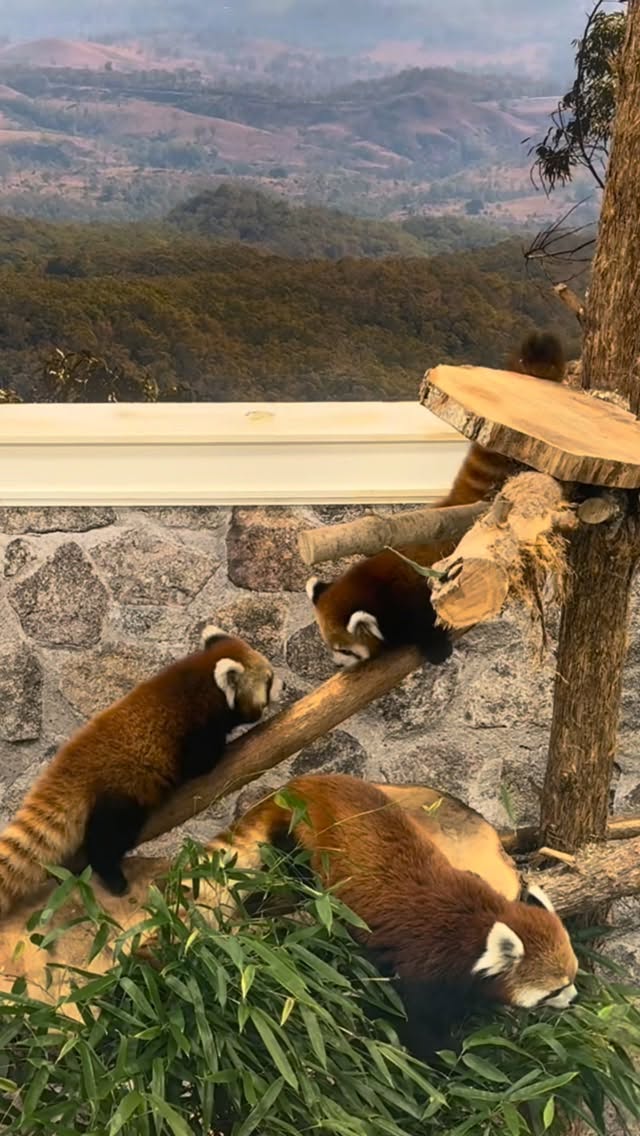
The development of red panda kits Sokka and Katara offers an exciting view into the fascinating lives of these adorable creatures. At their tender age, their daily activities center around climbing, exploring, and engaging with their mother, Zan. These behaviors are essential not just for their physical development, but also for their cognitive growth. As inquisitive young mammals, Sokka and Katara are learning vital life skills that will prepare them for adulthood in the wild or in captivity.
Young red pandas typically exhibit curiosity and playfulness, key characteristics that drive their exploration of their environment. Climbing is a natural instinct for these animals, and it helps foster their physical strength and coordination. Their arboreal lifestyle demands agility and flexibility, traits that are essential for navigating tree canopies. Sokka and Katara are frequently seen scaling branches with remarkable ease, showcasing the innate capabilities that red panda kits possess. Observing these skills in action can be both entertaining and educational for visitors, providing valuable insight into the species’ natural behaviors.
A mother red panda’s role is pivotal in the early stages of a kit’s life. Motherhood in the red panda entails a mix of nurturing and instructive behaviors. Zan, their mother, not only provides food and protection but also serves as a model for climbing and foraging. Young kits observe their mothers closely, learning through imitation. This learning process is crucial as red pandas in the wild depend on their mother’s guidance for survival. Without this maternal influence, young pandas are less equipped to thrive as they grow older.
Zan’s dedication to her kits is reflected in their playful nature and willingness to explore. She has created a safe space where Sokka and Katara can develop mindfulness in their interactions with their surroundings. Maternal guidance emphasizes the importance of instinctual behavior, social bonding, and the establishment of routines. This nurturing phase shapes the kits into independent, resourceful individuals, ready to face the many challenges they will encounter throughout their lives.
Did you know that red pandas are classified as endangered? Their populations are constantly threatened due to habitat loss, poaching, and the effects of climate change. This awareness is what makes the role of modern zoos so critical. Accredited zoos are becoming conservation hubs, engaging in breeding programs designed to support the genetic diversity of these species. By caring for red panda kits like Sokka and Katara, zoos are not merely housing them but are participating in a larger dialogue about wildlife preservation.
Education is a key component of zoo missions, where visitors gain insight into these creatures’ lives. While observing Sokka and Katara, guests learn about the importance of red pandas in their ecosystems. As skilled climbers, they help control pests in forest environments and contribute to the health of their habitats. When children and adults alike visit the zoo, they leave with a stronger understanding of wildlife conservation and its importance for future generations.
The red panda kits also highlight how specific needs must be met in a captive environment. For instance, appropriate nutrition is vital for their growth. Red pandas primarily consume bamboo, which constitutes about 95% of their diet. However, they are also known to eat fruits, vegetables, and occasionally small insects. At the zoo, care teams are tasked with providing a balanced diet that reflects these needs. It is essential that caregivers monitor their food intake, as malnutrition can lead to serious health issues.
Moreover, exhibiting natural behaviors is crucial for Sokka and Katara’s development. Enrichment activities are designed to mimic challenges they would face in the wild. Climbing structures, buried treats, and manipulated social dynamics allow the kits to engage in activities that enrich their lives. These practices not only support behavioral health but also mimic the natural patterns of a red panda’s daily life.
Visitors to the zoo have unique opportunities to observe and participate in interactive experiences. Guided tours may include educational talks that discuss red panda ecology and the significance of conservation efforts. Opportunities to learn about red pandas’ roles in preventing forest degradation can inspire visitors to become advocates for wildlife protection. Engaging with animal caretakers adds to the experience, as they share firsthand knowledge about the animals in their care.
When Sokka and Katara climb, they engage in natural play behaviors essential for social bonding. Social interactions among red pandas teach essential skills such as negotiation and conflict resolution. These behaviors prepare the kits for what they may encounter later in life, whether in the wild or in a managed environment. Their playful interactions offer guests an opportunity to witness the dynamics of this species, emphasizing the importance of social structures in animal development.
Observational engagement with red panda kits also opens a pathway for broader discussions on wildlife conservation. Education initiatives often extend beyond the walls of the zoo. Zoos play an active role in community outreach and educational programs in schools, effectively spreading awareness about crimson critters. Awareness translates into action when members of the community learn how their engagement can positively impact wildlife conservation.
In addition to engaging guests, zoos actively participate in international conservation initiatives aimed at protecting red pandas in their native habitats. Collaborations with organizations focused on habitat restoration and anti-poaching measure drive substantial change. When visitors support zoos through memberships or donations, they contribute to these conservation efforts. Their investment aids in the upkeep of the conservation programs that help protect animals like Sokka and Katara.
These efforts collectively emphasize the fragility of the ecosystems in which red pandas thrive. Understanding that red pandas require specific habitats leads to a broader discussion about forest preservation and restoration. Education about the ramifications of deforestation, illegal wildlife trade, and climate change finds its way into the visitor experience. Sokka and Katara serve as ambassadors, communicating critical messages related to environmental stewardship and species protection.
The journey of red panda kits Sokka and Katara represents not just a story of resilience and growth, but also a collective call to care for vulnerable species. By connecting with visitors, these kits create impactful experiences that instill a sense of responsibility and advocacy for wildlife. Engagement and education initiatives foster a culture of awareness that prompts action toward conservation.
When visitors engage with the playful antics of Sokka and Katara, they witness the next generation of a cherished species. Through the combined efforts of mothers like Zan, dedicated zoo staff, and informed visitors, red pandas can continue to thrive both in captivity and in the wild. It is this shared responsibility that strengthens conservation efforts, ensuring that future generations will also have the privilege to witness the beauty of red pandas.
*****
Source Description
Red panda kits Sokka and Katara are thriving! ❤️ They are loving climbing and exploring with mom Zan. Have you visited them yet?
•
•
