
- The characteristics and behaviors of porcupines in the wild
- The importance of diet and feeding habits in porcupines
- The role of ASMR in engaging audiences with wildlife experiences
- Conservation efforts for porcupines and their habitats
- The unique aspects of a porcupine’s physiology that aid in feeding
Porcupines are fascinating creatures known for their sharp quills and distinct behaviors. In various ecosystems, they play vital roles. Understanding their characteristics and behaviors provides insight into their niche within the environment. There are distinct species of porcupines, with the North American porcupine being among the most recognized. These animals are primarily nocturnal, coming out to forage during the night. They have an omnivorous diet, primarily feeding on bark, leaves, and, indeed, pinecones, which provide both sustenance and enjoyment for viewers interested in ASMR content.
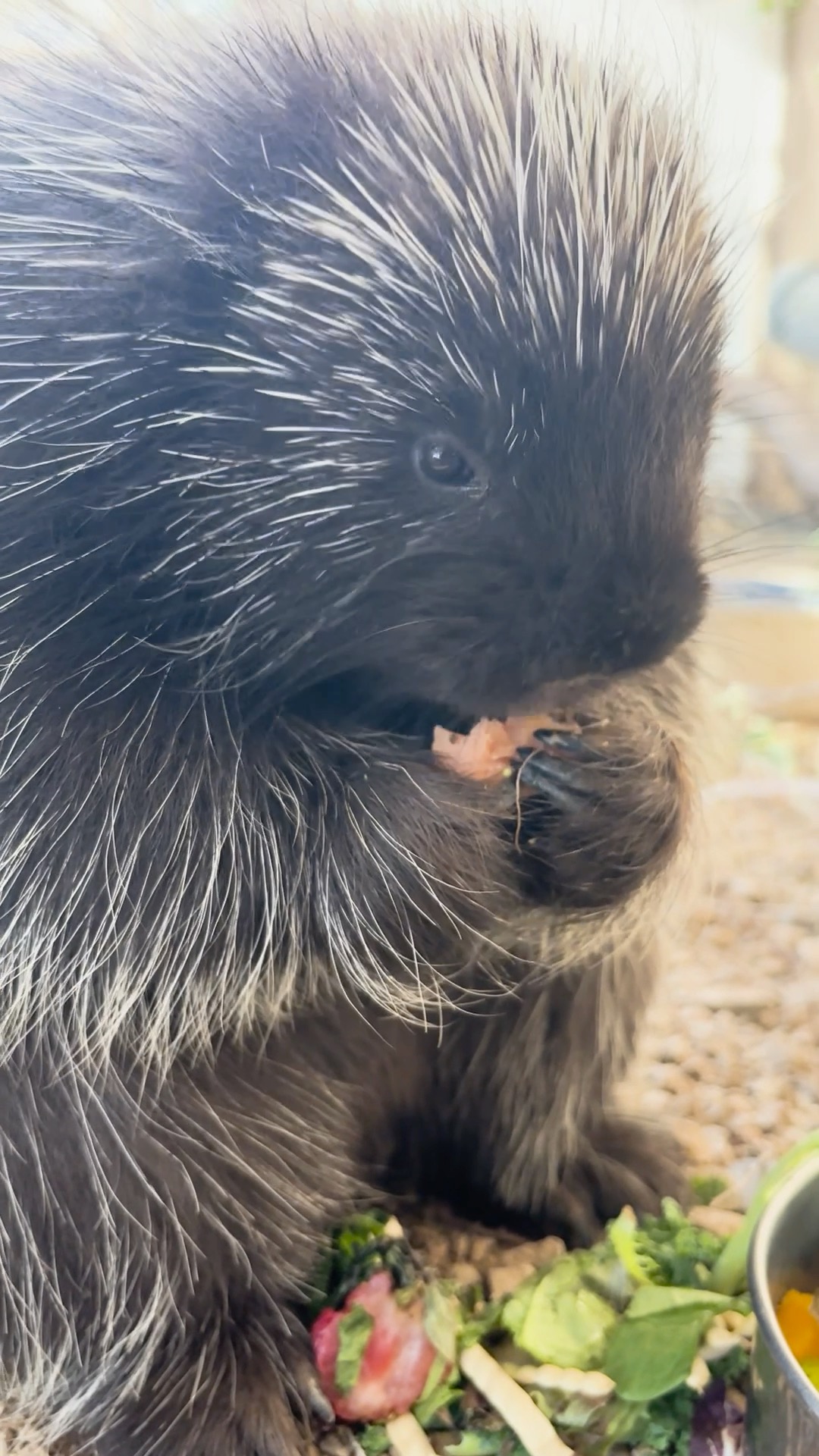
Porcupines possess unique dental adaptations that allow them to consume tough plant materials. Their teeth continuously grow throughout their lives, facilitating constant gnawing, which helps maintain their dental health. The strong incisors can easily break through the tough exterior of pinecones. Observing a baby porcupine engaging with a pinecone highlights their natural behaviors and feeding habits, showcasing the dynamics of wildlife. The sounds generated during this process can resonate with enthusiasts who enjoy the calming effects of ASMR, amplifying their interest in these animals.
The diet of a porcupine plays a significant role in its health and longevity. They are especially present in forests, where they have access to an array of plant materials. A striking feature of porcupines is their ability to consume pinecones, which are often challenging for other animals. These creatures possess excellent digestion capabilities that allow them to extract the essential nutrients from various food sources. Engaging in pinecone eating not only meets their nutritional needs but is also a fascinating sight for wildlife observers.
ASMR, or Autonomous Sensory Meridian Response, has garnered significant attention in recent years, particularly in the context of wildlife. The soft crunching sounds made while a porcupine munches on a pinecone can induce a calming response in viewers. For many, this auditory experience is as important as the visual aspect. People who seek ASMR often do so for relaxation and stress relief. Consequently, the appeal of sound alongside feeding behaviors provides an enriching connection between humans and the natural world. By engaging with content that showcases porcupines eating pinecones, audiences can deepen their appreciation for wildlife and its sounds.
Conservation efforts are essential for the survival of porcupines and their habitats. Habitat loss due to urban development and deforestation poses a serious threat to many wildlife species. Awareness and education on the impact of human activity on wildlife are critical. Support for conservation initiatives can facilitate habitat restoration, ensuring that porcupines have a safe space to thrive. Programs aimed at educating the public about the ecological importance of porcupines encourage positive interactions and foster stewardship for natural spaces. Through engaging content like the sounds of a porcupine enjoying a pinecone, viewers are more likely to become advocates for conservation.
The physiology of porcupines is fascinating, particularly their digestive system and body structure. These animals have a specialized gut that enables them to break down tough plant fibers. Their dental structure, with continuously growing incisors, supports their feeding habits. Moreover, the mechanics of eating contribute to the unique sounds they produce while feeding, enhancing the ASMR experience. The variety of textures, sounds, and visuals during feeding sessions offer an engaging spectacle that captivates audiences.
The relationship between listeners and the natural world is significant, especially in today’s fast-paced life. Engaging with animal behaviors through ASMR not only brings joy but also educates people about environmental issues. The unique sounds emitted during a baby porcupine’s pinecone feast serve to connect viewers emotionally with wildlife, inspiring a sense of wonder and curiosity.
Viewing wildlife through lenses that combine scientific exploration and auditory experiences allows for a multidimensional appreciation of nature. As people listen to the satisfying crunch of a porcupine eating, they experience a sensory interplay that encapsulates the beauty of the natural world.
Such experiences can lead to increased empathy for animals and a deeper understanding of their behaviors and critical roles in ecosystems. This engagement often leads to inquiries about wildlife and their place in our environment. Providing educational resources and promoting events can foster a community that values wildlife and seeks to protect it.
In the context of wildlife conservation, every small effort counts. Engaging with content that highlights the sounds of a porcupine’s eating habits allows for a broader dialogue on the importance of preserving natural habitats. Understanding the complexities of an animal’s diet can foster awareness about the broader implications of habitat destruction and the significance of habitat preservation.
Nutrition in porcupines is not just vital for their health; it is crucial for maintaining balanced ecosystems. By keeping vegetation in check, porcupines help other species thrive. As we consume resources from nature, it is essential to consider how our actions affect these unique animals.
Observing a baby porcupine eating a pinecone captivates attention for its simplicity and charm. It presents an opportunity to reflect on the relationships within ecosystems. Engaging content fosters curiosity and facilitates community interaction around conservation efforts. It inspires individuals to become advocates for wildlife protection, emphasizing that safeguarding these creatures is imperative for future generations.
Porcupines contribute to the diversity of animal life on Earth. The more we learn about them, the more we can appreciate their unique roles in the environment. As curiosity grows, so does our responsibility to protect these fascinating animals and their habitats. By understanding their feeding habits and the significance of their presence, we embrace a more sustainable future.
Highlighting the auditory experience of a porcupine eating a pinecone encapsulates the essence of wildlife observation. It embodies the marvel of nature’s intricacies while providing an opportunity for reflection on our place within it. Such insights encourage greater participation in wildlife conservation, benefiting both animals and ecosystems alike.
The interplay between sound and nature fosters a unique bond. ASMR videos featuring porcupines eating can lead to a greater appreciation of wildlife. People are drawn to these relaxing auditory experiences, which prompt individuals to connect with the environment in meaningful ways.
Presenting porcupine feeding habits through ASMR can help bridge gaps in understanding among diverse audiences. It illustrates how even the simplest behaviors can evoke feelings of joy and curiosity. In doing so, it highlights the critical importance of preserving these interactions within our ecosystems.
As people engage more with wildlife through various media, it opens up new avenues for learning. The delightful sounds of a porcupine indulging in a pinecone serve as a reminder of the importance of protecting our natural world. Our fascination with wildlife can translate into actionable steps toward conservation, ensuring the health and longevity of ecosystems for the future.
*****
Source Description
Sound ON for some Pinecone eating ASMR! Who knew this baby porcupine could eat so much?😋
