
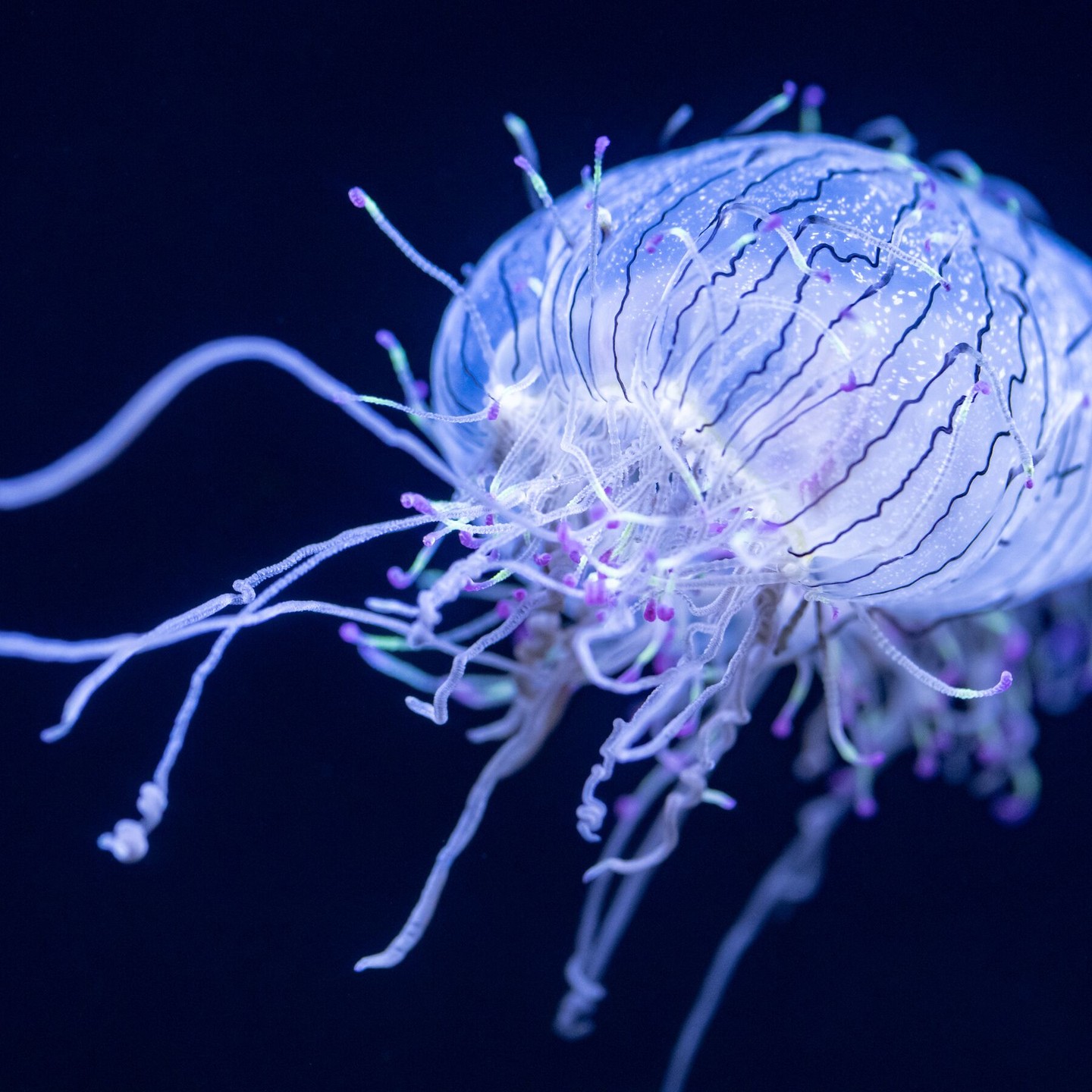
- The relationship between glittering animals and their environments
- The biological mechanisms behind shimmering and bright colors
- Examples of species that inspired dazzling New Year’s Eve aesthetics
- The importance of wildlife conservation for vibrant ecosystems
- Fashion and design inspired by wildlife and its implications for conservation
Animals with glittering scales, striking patterns, and radiant colors not only play a critical role in their ecosystems but also influence human culture and creativity, particularly in fashion. As New Year’s Eve approaches, the excitement of creating a look that captures the sparkle and joy of the occasion often draws inspiration from nature’s most vibrant denizens. This article explores the distinctive features of these animals, how their attributes translate into fashion, and the significance of wildlife conservation.
The relationship between glittering animals and their environments is intricate. Many species have evolved to develop unique patterns and colors that serve specific purposes in their habitats. For instance, the iridescent scales of certain fish species not only reflect light to create dazzling displays but also serve as a form of camouflage against predators. The environments these animals inhabit often dictate their colorations, as the interplay of light, background, and water conditions can enhance or mute their visual appeal.
One notable example is the killifish, a small, colorful fish found in shallow waters throughout the world. Killifish have reflective scales that can shimmer beautifully in sunlight. These colors provide a form of species recognition and help to identify mates, crucial for reproductive success. Similarly, the neon tetra, a popular aquarium fish, displays vibrant blue and red hues that not only attract the eye but also play a role in social interactions within schools. By understanding the adaptive significance of these shimmering characteristics, we can appreciate how much beauty is intricately linked to survival strategies in nature.
The biological mechanisms behind shimmering and bright colors are predominantly rooted in structural color rather than pigmentation. Structural color arises from microscopic structures that manipulate light, leading to iridescence. This phenomenon can be seen in several avian species, such as the peacock. The feathers of male peacocks contain microscopic platelets made of keratin and air that reflect specific wavelengths of light, creating iridescence that can appear stunningly vivid. Engineers and scientists are studying such mechanisms, which may have applications in materials science and design, including fashion.
Similarly, the Morpho butterfly serves as a remarkable example of how light can produce astonishing visual effects. The butterfly’s wings contain microscopic structures that scatter light, resulting in brilliant blue colors when viewed from certain angles. These vibrant colors attract mates while simultaneously functioning as a defense mechanism against predators, as the butterfly can disappear when the wings are closed. The visual phenomena seen in nature showcase intricate designs shaped by evolutionary pressures that ultimately influence the aesthetics humans cherish.
Examples of species that inspired dazzling New Year’s Eve aesthetics illustrate the immense variety of forms and colors in the animal kingdom. The Caribbean blue parrotfish, for instance, is adorned with a captivating combination of greens and blues. Their scales shimmer as they navigate the coral reefs, creating a breathtaking display that can inspire attire for a celebration. The influence of such colors can often be seen in shimmering sequins, fabrics, and designs that artists and fashion designers choose for festive occasions.
Similarly, the angel fish, known for its striking patterns and diverse colors, can inspire everything from costume designs to jewelry features. The vivid yellow and blue hues of the regal angelfish can translate into bold evening wear, while their intricate patterns have found their way into accessories. This crossover from nature to human expression exemplifies how animals can influence culture and aesthetics across various dimensions.
While celebrating the aesthetic allure of these glittering animals, it is essential to acknowledge the importance of wildlife conservation for vibrant ecosystems. Many of the species that dazzle us face significant threats due to habitat destruction, pollution, and climate change. Their survival is not merely about maintaining beautiful appearances. These animals play crucial roles in their ecosystems, contributing to biodiversity, food webs, and even human economies.
The destruction of coral reefs due to rising sea temperatures and ocean acidification has a profound impact on species such as parrotfish and killifish. These ecosystems, often called the “rainforests of the sea,” harbor a multitude of life forms. The loss of these habitats does not simply result in the disappearance of beautiful species; it leads to cascading effects throughout the marine and terrestrial environments. Conservation measures, including protected areas and sustainable fishing practices, are vital for preserving these connections.
The connection between fashion design and wildlife conservation extends beyond aesthetic appreciation. Many designers are adopting eco-conscious practices that prioritize sustainable materials and respect for wildlife habitats. For instance, the use of organic cotton, recycled materials, and non-toxic dyes can foster a culture of sustainability within the fashion industry. By championing designs that mirror the beauty of nature while promoting ethical practices, designers can contribute positively to wildlife conservation efforts.
On the global stage, initiatives like the Fashion for Conservation movement advocate for designs inspired by wildlife while raising awareness of endangered species. By integrating animal patterns and colors into fashion, these initiatives highlight the interconnectedness of our world and the shared responsibility we have for preserving it. The art of fashion can serve as a platform for dialogue about conservation, engaging broader audiences in essential conversations about environmental stewardship.
When we think of glittering animals and the inspiration they provide for New Year’s Eve and beyond, it’s crucial to remember the underlying messages tied to these stunning displays of color and light. The shimmering qualities of fish like the killifish and parrotfish or butterflies like the Morpho highlight adaptability, resilience, and beauty in nature. They serve as reminders that while we may celebrate their visual splendor, we must also act to safeguard their habitats and ensure their survival.
Inspiration drawn from nature can fuel creativity in countless ways. Whether it’s designing outfits that imitate the vibrant colors of the angel fish or incorporating the iridescence of butterfly wings into evening wear, each choice made in fashion can reflect a commitment to understanding and preserving biodiversity. The lessons learned from these animals are not only relevant in fashion but can shape sustainable practices across industries.
As we embrace the spirit of renewal and celebration that comes with New Year’s Eve, we should also recognize the interconnectivity between our lives and the animals that inspire us. Glittering, sparkly, and showstopping elements in fashion can remind us of the beauty inherent in nature. They can encourage deeper thinking about our responsibilities toward the environment, urging us to become advocates for wildlife conservation.
In recognizing the animals that inspire our festive attire, we are reminded of the need to conserve the ecosystems that support them. As we step into the New Year, it becomes increasingly important to weave conservation into our everyday lives and our conscious choices, from fashion to overall lifestyle. By engaging in responsible consumerism and supporting conservation initiatives, we can contribute to a future where both glittering animals and the vibrant communities of which they are a part continue to thrive.
The duty of conservation extends beyond mere acknowledgment of beauty; it encourages action and responsibility. Let us leverage the inspiration drawn from glittering animals not only for visual appeal but as a catalyst for deeper understanding and commitment to preserving our natural world for generations to come.
*****
Source Description
Glittering, sparkly and showstopping. ✨ These animals inspired our New Year’s Eve outfits with their shimmering scales and bold colors.🍾
