
- Exploring the Role of Zoos in Wildlife Conservation and Education
- Understanding the Importance of Maternal Care in the Animal Kingdom
- Enhancing Visitor Experience: The Zoo as a Family-Friendly Destination
- The Impact of Seasonal Weather on Animal Behavior and Visitor Engagement
- Encouraging Environmental Stewardship Through Interactive Experiences
Zoos serve as vital institutions for wildlife conservation and education. They provide an opportunity for people to learn about animal behavior, ecology, and the importance of conservation efforts. With a focus on Mother’s Day, highlighting the nurturing aspects of mother animals can be both informative and engaging. The celebration of motherhood in the animal kingdom offers a unique lens through which to view and understand different species.
Visiting a zoo allows families to learn about the conservation of species that might be endangered or facing threats in the wild. The expertise of zoo staff, including zoologists and conservationists, helps illuminate the challenges faced by these animals and the efforts being made to preserve them. Zoos often engage in breeding programs aimed at increasing population numbers and maintaining genetic diversity, which are crucial for species survival.
Motherhood in the animal realm showcases diverse nurturing behaviors. Some animal mothers are solitary, like the polar bear, which raises cubs alone, ensuring their survival in harsh environments. Others, such as elephants, are part of matriarchal groups where communal care benefits calf rearing. This dynamic teaches us about adaptation and survival, where each species evolves strategies to address environmental pressures.
Visiting a zoo on Mother’s Day offers visitors the chance to see these maternal behaviors firsthand, fostering a deeper appreciation for family dynamics in the animal kingdom. By learning how animals care for their young, visitors can draw parallels to human experiences, deepening the emotional connection to wildlife.
Zoos offer a blend of education and recreation, making them an ideal destination for families. With carefully designed enclosures that mimic natural habitats, zoos aim to provide both safety and stimulation for their inhabitants. Interactive exhibits and educational programs invite visitors to engage actively, fostering a sense of stewardship toward the natural world. These experiences are designed to inspire young minds, encouraging a lifelong commitment to wildlife conservation.
The seasonal weather plays a significant role in animal behavior and visitor interaction. In spring, many animals are more active, and some may be caring for young, enriching the visitor experience. The pleasant weather encourages families to explore and enjoy the zoo’s offerings, including outdoor exhibits and educational programs that emphasize conservation.
Zoos often provide educational talks, allowing visitors to learn from experts about the care, habits, and conservation status of different species. Such interactions humanize the animals, transforming them from abstract concepts to relatable beings with needs and personalities. This approach helps generate empathy and motivates conservation action.
Encouraging environmental responsibility through zoo visits is a fundamental aspect of modern zoo missions. Interactive experiences, such as feeding sessions or behind-the-scenes tours, allow visitors to see the importance of habitat preservation and biodiversity. By witnessing the direct impact of human actions on wildlife, zoo visitors are educated about the significance of conservation and the steps they can take to protect the environment.
Through themed events and interactive learning experiences, zoos promote sustainable practices and environmentally friendly choices. By integrating conservation messages into the visitor experience, zoos play a crucial role in shaping public attitudes toward the environment. This approach empowers visitors to become advocates for wildlife conservation in their communities.
In conclusion, visiting a zoo on Mother’s Day provides a meaningful way to celebrate motherhood and learn about the intricate relationships within the animal kingdom. Through experiences that blend education with entertainment, zoos inspire a commitment to wildlife conservation and environmental stewardship. By engaging with the natural world, visitors gain a greater understanding of the interconnectedness of life, reinforcing the importance of protecting our planet.
*****
Source Description
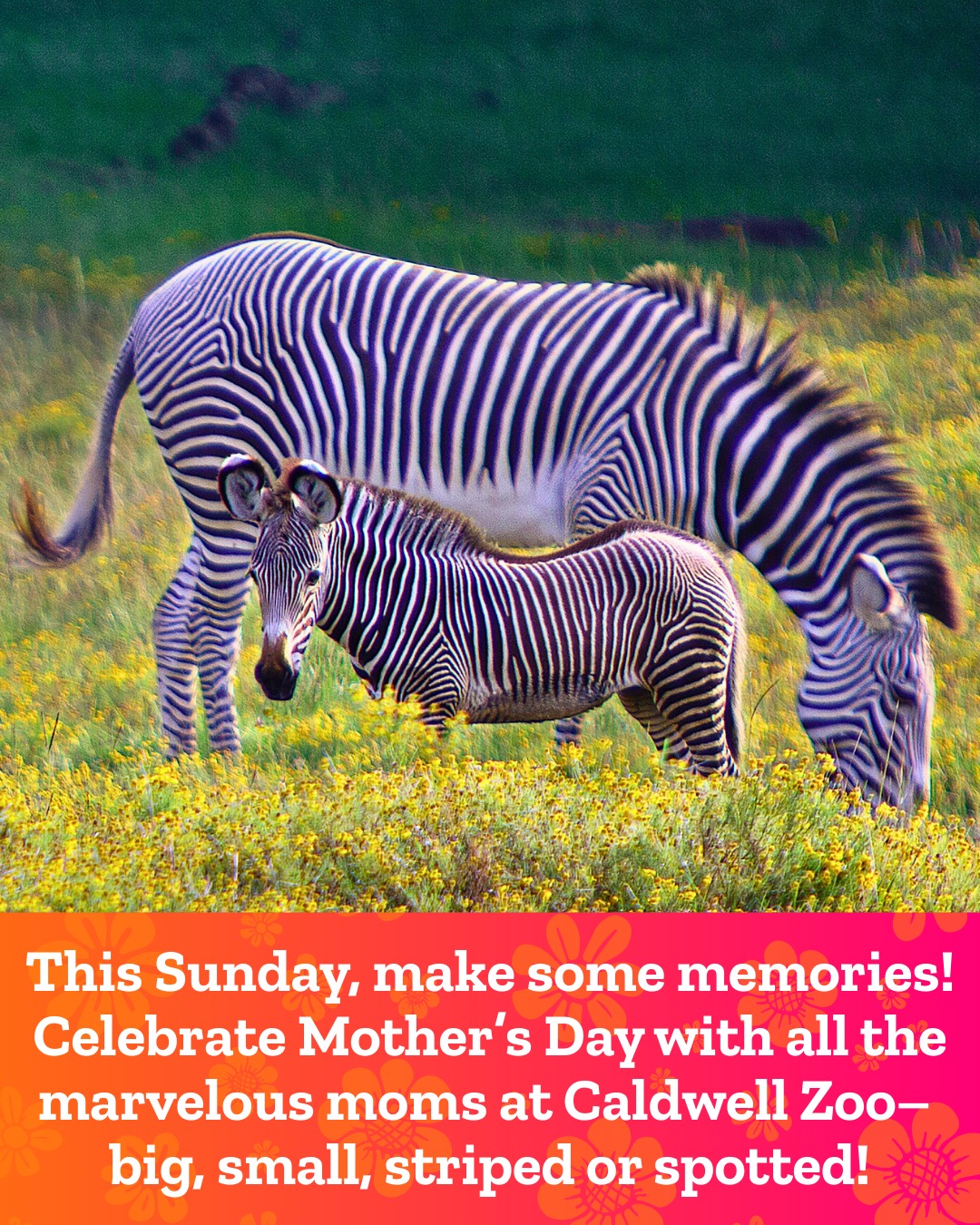
Make this Mother’s Day extra special by treating the moms in your life to a trip to the Zoo! Enjoy the beautiful weather, meet some moms from the animal kingdom and relax on the best patio in all of Tyler! 💐
