
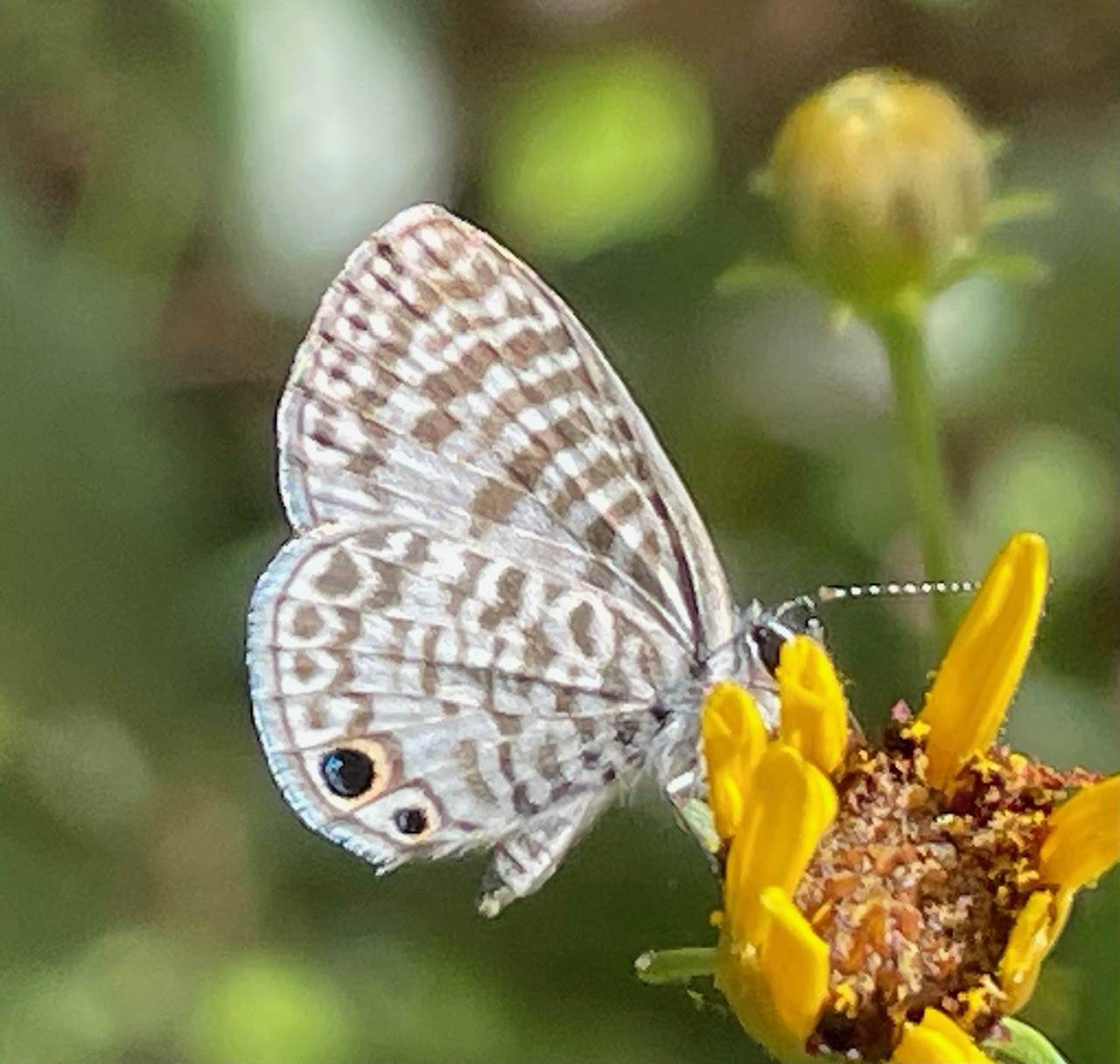
- Cassius Blue Butterfly: Characteristics and Habitat
- Rare Sightings in North Carolina: Historical Context
- The Role of Pollinator Gardens in Conservation
- Community Science and Butterfly Monitoring Programs
- Implications for Biodiversity and Ecosystem Health
The Cassius Blue Butterfly (Healing), scientifically known as Leptotes cassius, is a small, vibrant butterfly representing a fascinating aspect of North Carolina’s biodiversity. This particular species, often associated with tropical environments, exhibits distinctive characteristics. It has a wingspan that typically ranges from 2.2 to 2.6 centimeters. The males boast iridescent blue dorsal wings, while the females display a more subdued coloration with brown and orange markings. The butterfly thrives in a variety of habitats, particularly in areas abundant with nectar-rich flowers and host plants.
The recent sighting of the Cassius Blue Butterfly at the NC Aquarium on Roanoke Island is significant for several reasons. This is the first recorded instance of this species in Dare County history and only the fifth recorded observation in North Carolina since 2006. Typically, these butterflies are found in coastal areas and subtropical environments, predominantly in Florida and other southern states. Their northward expansion raises questions about environmental changes, migration patterns, and the overall health of ecosystems.
The historical context surrounding the sightings of the Cassius Blue Butterfly in North Carolina reveals important trends in butterfly populations and their habitats. Since 2006, the rarity of Cassius Blue sightings could indicate shifting climate patterns or changing ecological conditions. These butterflies are not unique to North America; they are native to various tropical regions. However, their limited visibility outside Florida suggests specific environmental requirements that may no longer be met in their former habitats or that shifting climatic conditions are enabling them to extend their range.
Pollinator gardens play a crucial role in supporting butterflies like the Cassius Blue. The NC Aquarium’s investment in Pollinator Gardens aligns with broader conservation efforts aimed at promoting biodiversity. These gardens serve as sanctuaries, offering native and nectar-rich plants that attract various pollinators, including butterflies, bees, and hummingbirds. The presence of these gardens is vital for educating the public about the importance of pollinator species to overall environmental health. By providing essential habitats, these gardens help facilitate the life cycles of butterflies and support the ecosystem’s food web.
Community involvement is critical for effective conservation initiatives. The Carolinas Butterfly Monitoring Program exemplifies how citizen scientists can contribute valuable data to understand butterfly populations. This program encourages local residents to observe and document butterfly sightings, significantly aiding scientists in tracking changes over time. By engaging communities in these activities, the program fosters a sense of environmental stewardship while also enhancing research efforts. The data collected can highlight population trends, distribution changes, and potential threats that butterflies may face.
The implications of tracking butterfly populations extend beyond aesthetic enjoyment. Butterflies serve as vital indicators of ecosystem health. Their sensitivity to climate change and habitat alterations reflects broader environmental conditions. When populations decline, it may signal underlying problems such as habitat loss, pesticide use, or climate change impacts. Understanding these trends is essential for implementing effective conservation strategies.
The sighting of the Cassius Blue Butterfly at the NC Aquarium not only exemplifies a rare biological event but also offers a lens through which to view pressing environmental challenges. The key to adapting to these challenges resides in community engagement, education, and the dedicated efforts of conservation programs. As more individuals and organizations contribute to butterfly monitoring and habitat restoration, the potential for positive outcomes in biodiversity conservation significantly increases.
In light of these occurrences, conservation authorities urge continued awareness and research into the needs of species like the Cassius Blue Butterfly. This could involve monitoring habitat conditions, assessing butterfly populations, and providing educational resources to communities. The ongoing observations and data compiled through community science initiatives highlight the importance of harmonizing human activities with the natural world.
The presence of the Cassius Blue Butterfly at the NC Aquarium is more than just a rare sight; it reflects a complex interplay of environmental factors, conservation efforts, and community involvement. This sighting challenges us to reassess our understanding of butterfly migration patterns and habitat requirements. As we look to the future, the data amassed through community science and conservation initiatives may unlock new strategies for preserving vital ecosystems.
Maintaining the health of butterfly populations can contribute to the greater resilience of ecosystems. By enhancing the habitats where butterflies thrive, we also create spaces for other species to flourish. Whether through Pollinator Gardens, educational programs, or community monitoring efforts, every action amplifies the ripple effect within ecosystems. When community members embrace their roles as stewards of nature, the benefits extend far beyond individual species.
The Cassius Blue Butterfly is an emblematic figure within North Carolina’s ecological narrative. Its recent appearance embodies the larger conversations surrounding biodiversity, conservation, and community action. As sightings of such butterflies become increasingly rare, awareness and participation in conservation efforts will be vital. The future health of ecosystems and the resilience of species like the Cassius Blue Butterfly depend on a collective commitment to understanding and preserving these vital connections in our environment.
The distinct beauty of the Cassius Blue Butterfly serves not just as a wonder of nature but as a reminder of the fragility of ecosystems. It reinforces the necessity for proactive measures in conservation, from creating supportive habitats to engaging communities in meaningful research efforts. As we start to gain a better understanding of the factors affecting butterfly populations, we can work together to safeguard these species for generations to come.
Recognizing the value and significance of butterflies like the Cassius Blue can shape our approach to conservation. Their fleeting presence can inspire meaningful action and encourage participation in ecological stewardship. Through such engagements, we stand a better chance at conserving not only butterflies but the wider web of life that thrives around us. The presence of the Cassius Blue at the NC Aquarium speaks directly to the ongoing efforts of countless individuals committed to preserving the delicate balance within our ecosystems.
Each sighting counts, and every butterfly observed contributes to a larger understanding of environmental health. As this butterfly continues to grace the Pollinator Gardens of the NC Aquarium, it serves as a living testament to the collective responsibility we share toward conservation, education, and environmental connection. This dedication to preserving biodiversity is crucial for achieving a sustainable future that supports all life forms on our planet.
*****
Source Description
We’ve had a special visitor! 🌼🦋👀 Horticulturists at the NC Aquarium on Roanoke Island have spotted a Cassius Blue Butterfly enjoying our beautiful Pollinator Gardens! The rare sighting of this tropical species in North Carolina is the FIRST recorded sighting in Dare County history, and only the 5th recorded sighting in the state of North Carolina since 2006! Cassius Blue Butterflies are native to North America, but very rarely are seen north of Florida. As part of NC Aquariums ongoing commitment to conservation, we actively participate in the Carolinas Butterfly Monitoring Program, a community science program that tracks butterfly populations. 🦋
Photo credit: Rachel Veal
