
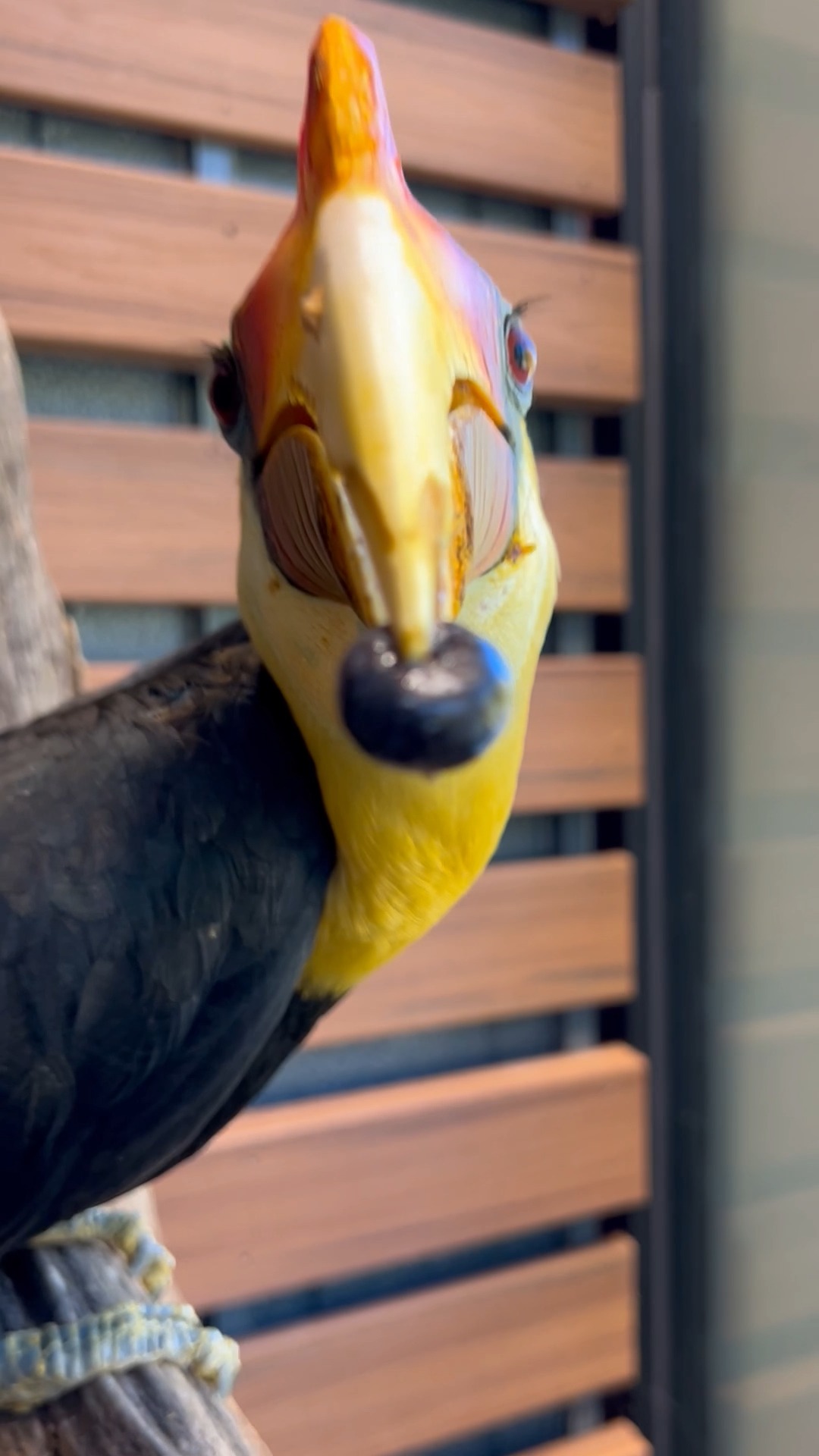
- Overview of the Wrinkled Hornbill and Its Habitat
- Physical Characteristics and Unique Features
- Diet and Its Role in Ecosystem Dynamics
- Social Behavior and Interactions with Keepers
- Conservation Status and Efforts for Protection
The Wrinkled Hornbill (Rhabdotorrhinus corrugatus) stands as an outstanding representative of avian diversity. This species primarily inhabits the dense rainforests of Indonesia, playing a crucial role in the ecosystem. These habitats are vital not only for the birds themselves but also for a multitude of flora and fauna that depend on the rich biodiversity present in these environments.
The physical characteristics of the wrinkled hornbill are striking. One of the most prominent features is its deep, curved beak adorned with a reddish casque that is fused to its skull. This specific coloration arises from the bird’s preen oil, a substance that aids in maintaining feather health. The beak’s size and structure are adapted for a fruit-based diet, enabling the hornbill to reach and manipulate its food effectively. The casque also serves a social function, acting as a display trait during mating rituals.
A significant portion of the wrinkled hornbill’s diet consists of fruits, which plays a critical role in seed dispersal within their habitat. As they consume various fruits, they inadvertently assist in maintaining the diversity of plant species. Interestingly, Bulu—the featured mascot of Species Spotlight Sunday—has shown preferences that include kiwi and blueberry, but he also enjoys insects. This diverse diet highlights his adaptability and is indicative of the species’ ecological role.
Socially, wrinkled hornbills are known for their interpersonal dynamics. Bulu exemplifies this behavioral aspect, displaying a friendly disposition toward his keepers. His habit of spending time high in his tree provides a glimpse into the social hierarchy common in his species, which often involves interactions among family members. The relationship between keepers and animals in a zoo setting fosters an environment conducive to both education and conservation.
The conservation status of the wrinkled hornbill is classified as endangered by the IUCN. This classification raises concerns about population declines driven by habitat loss and hunting. Deforestation, primarily due to agricultural expansion and logging, has led to a significant reduction of their natural habitat. Protective measures, including habitat preservation initiatives and stricter hunting regulations, are essential to ensure the survival of this species. Educational programs that raise awareness about the importance of the wrinkled hornbill and its role in the ecosystem are vital for engendering community support for conservation efforts.
Conservationists recognize that tackling habitat destruction is pivotal for the future of the wrinkled hornbill. Numerous organizations actively work to create protected areas within Indonesia, emphasizing the need to balance human activities with wildlife preservation. Public engagement initiatives that involve local communities help in maintaining the delicate equilibrium between development and conservation.
The unique relationship formed between Bulu and his keepers serves as an educational tool. Visitors to zoological facilities gain insight into the natural behaviors of the wrinkled hornbill, promoting awareness about their plight in the wild. The presence of species like Bulu creates opportunities to discuss the broader impacts of environmental changes on wildlife.
Moreover, the conservation of the wrinkled hornbill highlights the interconnectedness of species. These birds are key players in their ecosystems, affecting plant regeneration and habitat stability. Protecting such species extends beyond their individual survival; it supports a broader network of life forms that depend on healthy ecosystems.
Overall, the story of the wrinkled hornbill is one interwoven with both nature’s splendor and the urgent need for conservation action. With initiatives aimed at safeguarding their habitat and educating the public, there lies hope for a future where Bulu and his kin can thrive in their native environments. The focus on their significance within the ecological framework serves as a reminder of the vital role each species plays in sustaining biodiversity.
*****
Source Description
🎇 Species Spotlight Sunday
Meet: Bulu
▶️ Wrinkled hornbill (Rhabdotorrhinus corrugatus)
▶️ IUCN Conservation Status: Endangered
Wrinkled hornbills have a very distinguished beak with a reddish casque on the upper portion which is fused to their skull. This reddish color comes from their preen oil, which keeps their feathers healthy but stains their beaks. They feed primarily on fruits which helps with seed dispersal in their native Indonesian rainforest habitats!
🥝 Bulu’s favorite fruits are kiwi and blueberry, but he loves his bugs too. He is also aware of how handsome he is and loves looking at himself in the mirror. He is incredibly friendly with his keepers and loves to spend time on the upper parts of his tree.
