
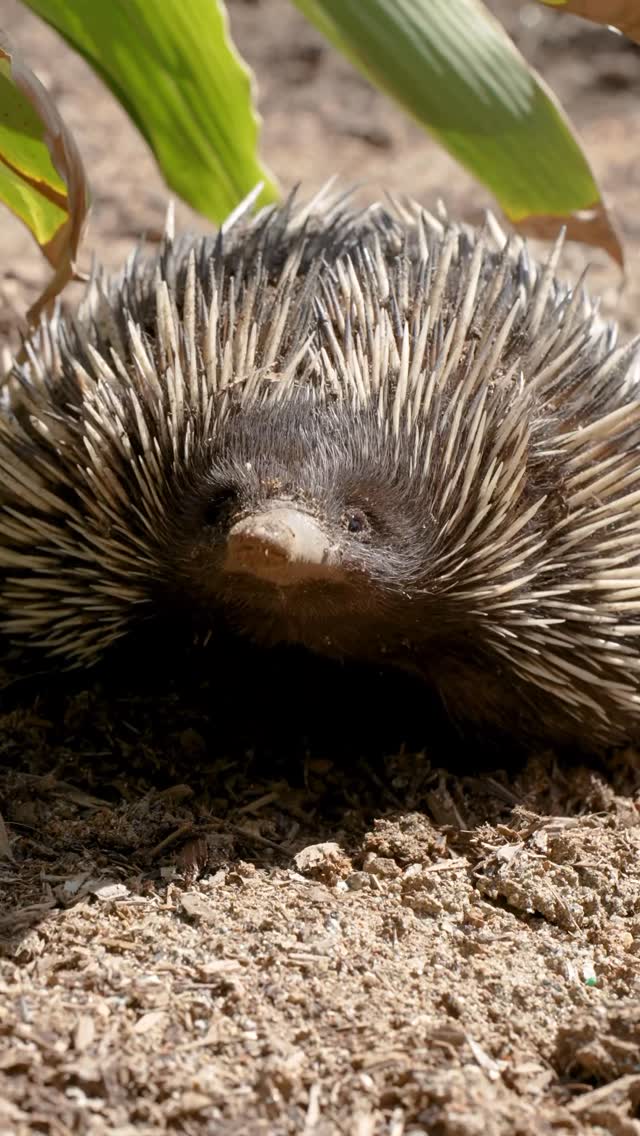
- Characteristics and Adaptations of Echidnas
- Habitat and Distribution of Spiny Superstars
- Reproductive Behavior and Life Cycle
- Conservation Status and Threats
- Cultural Significance and Conservation Efforts
Echidnas, or spiny anteaters, are fascinating egg-laying mammals known for their distinctive spiny bodies and elongated snoots. These unique animals belong to the monotreme group, which includes only five species: four echidnas and the platypus. The spiny superstars capture the attention of wildlife enthusiasts with their quirky appearance and behaviors, making them not just biologically significant but also beloved by the public.
Characteristics and Adaptations of Echidnas
Echidnas have a remarkable set of physical traits adapted to their environment. Their most notable feature is the spines covering their backs, which serve as an effective defense mechanism against predators. These spines are modified hairs, providing not only protection but also insulation. Underneath, their bodies are lined with coarse fur, which contributes to their thermoregulation.
Another interesting adaptation is their elongated snout. This specialized structure makes it possible for echidnas to forage effectively. They primarily feed on ants and termites, using their long, sticky tongues to extract prey from narrow crevices. The tongue can extend up to 18 centimeters, demonstrating incredible functionality.
Echidnas also possess electroreceptors in their snouts, allowing them to detect the electromagnetic fields generated by their prey. This sensory adaptation enhances their foraging efficiency, making it easier to locate hidden insects in the soil. Their robust claws are designed for digging, effectively assisting them in unearthing food sources, creating burrows, or shading themselves during warmer periods.
Habitat and Distribution of Spiny Superstars
Echidnas inhabit a range of environments across Australia, New Guinea, and surrounding islands. While they thrive in diverse habitats, including forests, grasslands, and even urban areas, they tend to prefer regions that provide ample insect availability. Forests with a rich understorey are ideal for their foraging habits, as they can dig into the ground without significant obstruction.
The short-beaked echidna (Tachyglossus aculeatus) is the most widespread species, inhabiting various Australian climates. Conversely, the long-beaked echidnas are found primarily in New Guinea and exhibit a more specialized ecology. The latter species, such as the western long-beaked echidna (Zaglossus attenboroughi), is particularly reliant on moist environments with consistent insect populations.
Understanding the habitat of these spiny superstars is crucial for biodiversity preservation. Protected areas, ranging from national parks to nature reserves, play a vital role in safeguarding their habitats. Such efforts contribute to maintaining healthy ecosystems that support a variety of species, including the echidna.
Reproductive Behavior and Life Cycle
Echidnas have an intriguing reproductive process distinct from other mammals. They breed seasonally, typically during the Australian winter months. The male echidna actively seeks out females through a process called “mate searching”, which can involve following specific scent trails.
After mating, the female lays one egg, which she incubates in a pouch-like structure on her belly for about ten days. This pouch provides warmth and protection, ensuring that the egg develops properly. Upon hatching, the neonate echidna, called a “puggle,” is underdeveloped and relies solely on maternal care. The mother will nurse the puggle with nutrient-rich milk that is secreted through openings in her skin instead of mammary glands.
As the puggle grows, it remains in the pouch for several weeks before emerging to live in a burrow. The mother continues to nurse her young for several months, but the puggle will begin to feed on soft insects and earthworms toward the end of this period. The reproductive cycle is critical for their population sustainability, given the relatively slow development of the young.
Conservation Status and Threats
Echidnas face various threats that jeopardize their populations. Habitat loss due to urbanization, agriculture, and deforestation is one of the main concerns. These activities diminish the areas available for echidnas to forage and reproduce, creating precarious survival situations.
Climate change poses another significant challenge. Altered weather patterns can affect insect populations, making food sources inconsistent. Additionally, extreme temperatures can put further stress on echidna populations, leading to decreased survival rates among young and adults alike.
While the IUCN currently classifies the short-beaked echidna as “Least Concern,” localized populations may face critical threats that require targeted conservation efforts. Long-beaked echidnas, on the other hand, are considered “Vulnerable” due to their restricted ranges and ongoing habitat degradation.
To mitigate these risks, various conservation initiatives are in place. More rigorous environmental protections and habitat restoration programs aim to establish healthier ecosystems. Public awareness campaigns help educate communities about the ecological importance of echidnas and encourage responsible land-use practices. Participation in citizen science projects allows the public to play a role in monitoring echidna populations, providing valuable data for conservationists.
Cultural Significance and Conservation Efforts
In addition to their biological importance, echidnas hold cultural significance in Indigenous Australian cultures. Many Aboriginal groups view them as symbols of resilience and ingenuity. Their unique characteristics and behaviors feature prominently in traditional stories and teachings, further underscoring their value beyond a mere biological perspective.
Several wildlife organizations also work to raise awareness about the need for conservation. These organizations engage in research projects aimed at understanding echidna behavior, reproduction, and population dynamics. By collaborating with universities and governmental bodies, conservation programs aim to develop effective strategies for preserving this spiny superstar.
Every year, events like World Echidna Day serve as platforms for advocacy. They encourage individuals to become stewards of local ecosystems and foster an appreciation for the fascinating life forms that inhabit them. Community involvement plays a vital role in conservation, as local actions can have wide-reaching implications for environmental health.
Engaging the public through social media, educational workshops, and interactive experiences can inspire future generations to care for wildlife. By empowering individuals with knowledge about echidnas and their habitat, advancing conservation will become a collective effort backed by passionate advocates dedicated to preserving biodiversity.
Despite the challenges these spiny superstars face, ongoing research and conservation efforts highlight the importance of protecting their habitats and ensuring their survival for future generations. Their role in the ecosystem, combined with their charming characteristics, makes echidnas a subject of fascination and admiration for many. By celebrating World Echidna Day, we honor these remarkable creatures and recommit ourselves to their conservation.
*****
Source Description
Spiny superstars with the cutest snoots to boot 🦔
We’re celebrating the second annual World Echidna Day! These egg-laying mammals are one of nature’s most unique creatures, known for their spiny physique and extra long snoots.
