
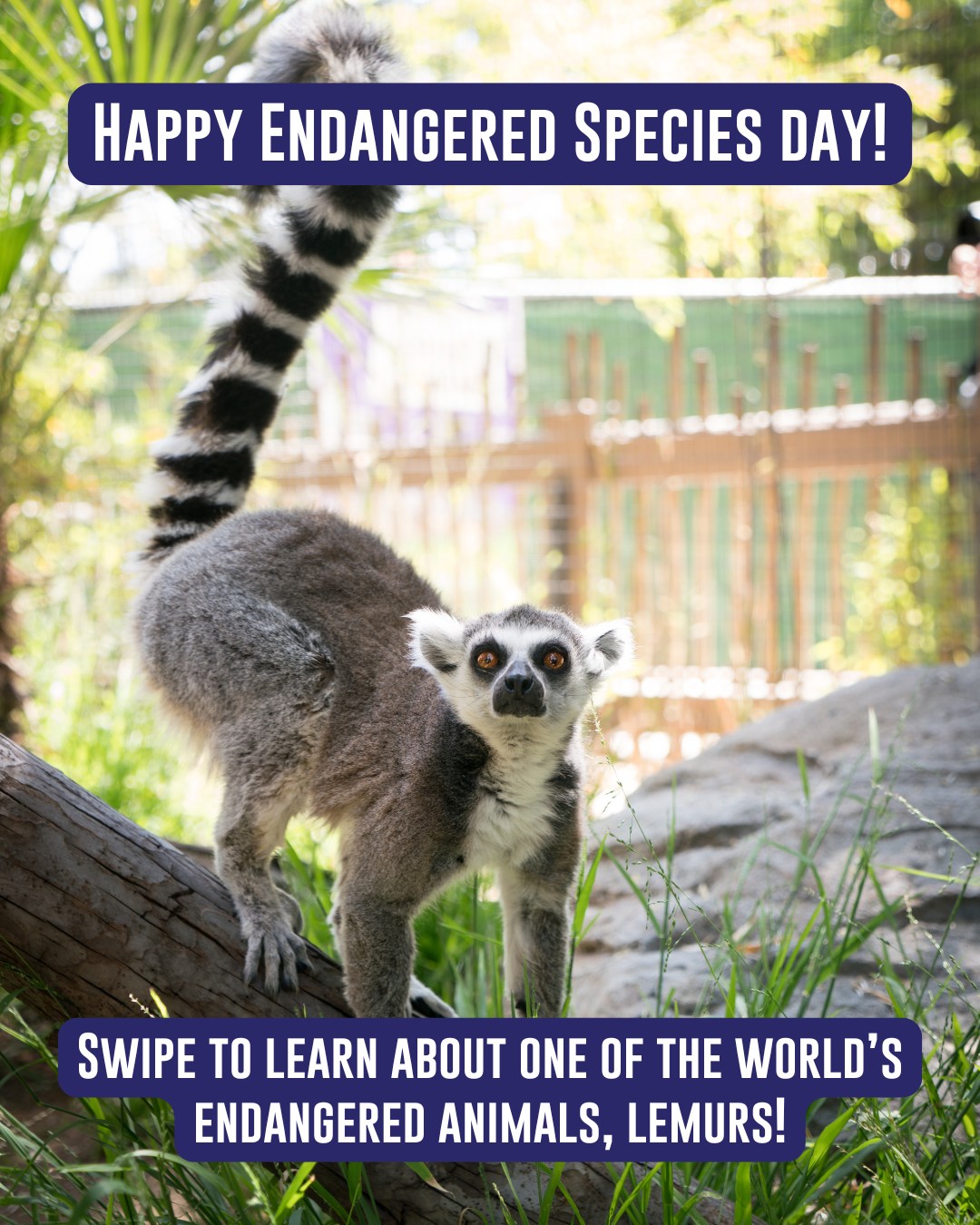
- Overview of lemur species and their habitats
- Conservation challenges threatening lemur populations
- An introduction to Happy Hollow’s lemur residents
- Conservation efforts and strategies to protect lemurs
- The role of zoos in wildlife conservation
Lemurs, a group of primates native to the island of Madagascar, are a vital part of biodiversity. With 107 identified species, these animals exhibit a fascinating range of behaviors and adaptations. Unfortunately, 98% of lemur species are threatened with extinction due to habitat destruction, hunting, and climate change.
Lemurs rely on Madagascar’s rich but fragile ecosystems. The island’s rainforest, dry forests, and spiny thickets provide food and shelter. Each species has evolved unique traits to thrive in its specific habitat. For instance, the arboreal red-ruffed lemurs are known for their striking fur and are found in the rainforests of Masoala. In contrast, the terrestrial ring-tailed lemurs often inhabit the island’s open landscapes.
The threats to lemurs are severe. Deforestation for agriculture, illegal logging, and charcoal production are decimating their habitats. These activities not only reduce available space but also fragment the remaining landscapes, isolating populations and limiting genetic diversity. Hunting lemurs for bushmeat and capturing them for the illegal pet trade further exacerbate their plight.
Happy Hollow Park & Zoo, located in San Jose, California, plays an essential role in lemur conservation by housing three species: red-ruffed lemurs, ring-tailed lemurs, and black and white ruffed lemurs. These animals serve as ambassadors for their wild counterparts, helping educate the public about the need for conservation.
Red-ruffed lemurs at the zoo highlight the diversity within this family of primates. With a primarily frugivorous diet, they play a critical role in seed dispersal, promoting forest regeneration. Ring-tailed lemurs, easily recognizable by their striped tails, are social animals known for their complex vocalizations and behaviors. Black and white ruffed lemurs, with their striking pelage, exhibit unique reproductive strategies, such as building nests for their young, an uncommon trait among lemurs.
Conservation efforts are underway to protect these endangered animals. Various international organizations work in Madagascar to preserve habitats and create protected areas. Conservationists engage local communities, promoting sustainable practices that benefit both human and lemur populations. Education and alternative livelihood programs aim to reduce dependence on activities that harm lemur habitats.
Zoos like Happy Hollow contribute significantly by breeding programs and genetic studies. These institutions participate in global conservation strategies, providing insight into primate biology and behavior. By maintaining genetically viable populations, zoos help prevent the loss of genetic diversity. They also support field projects, offering financial resources and expertise to in-situ conservation. Engaging the public through educational programs, zoos foster a deeper understanding and appreciation of wildlife and the need for conservation.
Ultimately, the challenges facing lemurs are complex, intertwined with broader environmental and socioeconomic issues. It is vital to continue research, education, and conservation efforts to ensure these remarkable primates persist for future generations. Strengthening partnerships between organizations, governments, and communities can pave the way for more effective conservation strategies, safeguarding lemurs and their habitats.
*****
Source Description
For let’s highlight these Happy Hollow favorites, lemurs! There are 107 identified species of lemur, and 98% of them are threatened with extinction. Happy Hollow has three species of lemurs: red-ruffed lemurs, ring-tailed lemurs and black and white ruffed lemurs ❤️🖤🤍 Scroll through to learn about these amazing animals, their challenges, and how conservationist are working to protect them.
