
Summary of The dances of spring – Zoo Atlanta:
Spring at Zoo Atlanta is a vibrant time with birds engaging in unique mating rituals as the breeding season unfolds. Over 40 bird species display intricate dances and nest-building activities. In the aviaries, nest boxes are set up, and birds like the Taveta golden weavers and hamerkops have begun to build nests. The Living Treehouse is active, with male weavers creating nests from grasses to attract females. Similarly, male golden pheasants perform dances to court females who lay eggs in camouflaged areas. Chilean flamingos showcase elaborate rituals and build mud mounds for egg-laying. The atmosphere is filled with bird calls, adding to the enchanting experience. Visitors are encouraged to witness these captivating displays firsthand.
- The significance of spring as a breeding season for birds at Zoo Atlanta.
- Unique bird behaviors and courtship rituals observed at the zoo.
- The role of aviary environments in promoting breeding activities.
- Conservation efforts and educational opportunities related to bird species.
- Visitor engagement with the avian exhibits and the importance of public awareness in conservation.
Spring marks a transformative period at Zoo Atlanta, as the warmer weather heralds the start of an extraordinary breeding season for its avian population. This time of year is especially significant because it showcases the dynamic and vibrant courtship behaviors of over 40 bird species present in the zoo. These species include everything from flamboyant flamingos to industrious weavers, each demonstrating distinct and fascinating rituals to attract mates.
One standout location at the zoo is The Living Treehouse, which becomes a stage for spectacular avian activities. Male Taveta golden weavers, for instance, captivate female weavers with their precise and rapid wing flapping, followed by skillful nest weaving using grass and leaf blades. The females then inspect these nests meticulously and choose partners based on the quality of their craftsmanship. This behavior is not only captivating for onlookers but also crucial for the species’ reproductive success, highlighting the innate drive for survival through mate selection.
On a nearby platform, Hammy the hamerkop demonstrates the species’ famed nest-building skills. Hamerkops are known for constructing enormous nests, sometimes strong enough to support an adult human. Hammy’s efforts embody this species’ dedication and innate engineering instincts, a behavior deeply ingrained within their biological makeup. These structures serve as a testament to both their perseverance and the importance of environmental factors in avian reproductive strategies.
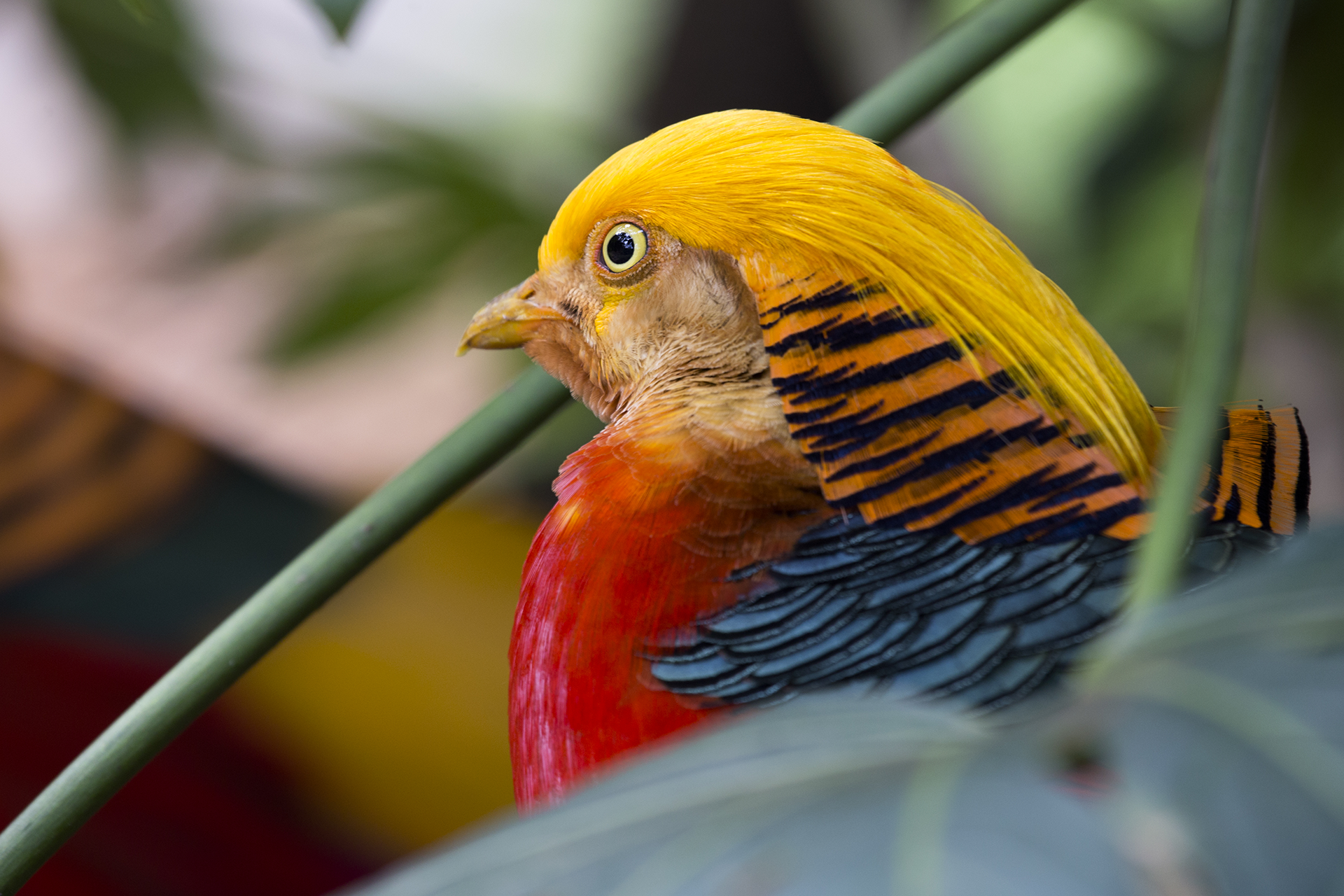
Down at ground level, male golden pheasants perform their own intricate dances, showcasing vibrant neck and cheek feathers. This display is accompanied by unique auditory signals designed to attract females. The females, once swayed, lay their eggs in cleverly concealed nests within tall grass, ensuring the next generation is well-hidden from predators.
Flamingo Plaza is another lively area during springtime. Chilean flamingos engage in synchronized displays involving body stretching and coordinated head movements. These rituals foster pair bonding and enhance reproductive success. Males and females cooperatively build pillar-shaped mud mounds, accentuating the collaborative nature of many avian species.
Beyond mere spectacle, these behaviors underscore the critical role of carefully managed aviary environments. Zoo Atlanta’s keepers work diligently to replicate natural settings that foster these displays. Nest boxes, platforms, and suitable vegetation are strategically placed to encourage nesting and breeding behaviors. This symbiotic relationship between controlled environments and natural instincts provides invaluable insights into avian ecology and behavior.
Conservation efforts at Zoo Atlanta extend beyond keeper-led initiatives. Educational programs and informational exhibits are integral in raising public awareness about bird conservation. Through interactive experiences, visitors learn about the challenges faced by birds in the wild, including habitat loss and climate change. Such knowledge is crucial in fostering a sense of responsibility and stewardship toward wildlife conservation.
Zoo Atlanta’s approach to avian conservation is multifaceted. Collaboration with global conservation organizations helps protect endangered species, while on-site breeding programs strive to bolster population numbers. These initiatives are pivotal in the effort to preserve biodiversity and maintain ecological balance.
Engaging visitors with these avian exhibits is a key component of Zoo Atlanta’s educational mission. By witnessing the awe-inspiring dances and behaviors first-hand, visitors are more inclined to develop a connection with the natural world. This connection is vital in inspiring future generations to support and advocate for conservation efforts.
Spring at Zoo Atlanta is not merely an opportunity to observe birds; it’s a celebration of life and the intricate dances that unfold in nature. By providing a window into these wondrous behaviors, Zoo Atlanta enriches our understanding of avian biology and underscores the importance of conserving these extraordinary creatures. Through continued education and awareness, we can ensure these sights and sounds remain part of our world for generations to come.
