
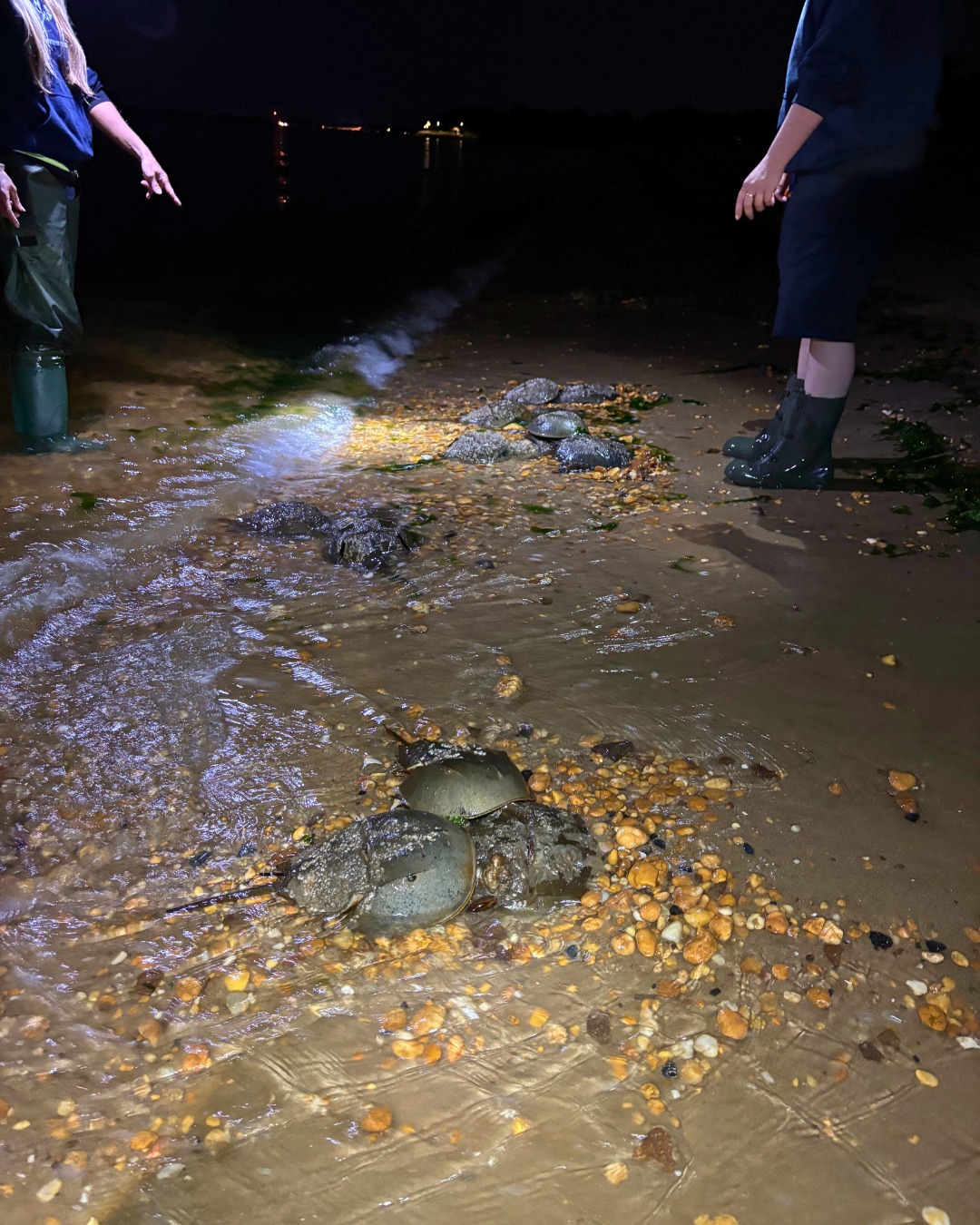
- Horseshoe crab biology and ecological importance
- Impacts of declining population on coastal ecosystems
- Volunteer opportunities in wildlife conservation
- Role of Save Coastal Wildlife in horseshoe crab monitoring
- Importance of community involvement in environmental initiatives
Horseshoe crabs are fascinating organisms that have inhabited Earth for more than 450 million years, making them one of the oldest species still in existence. They belong to the class Merostomata and are more closely related to spiders than to true crabs. Their unique anatomy, which includes a hard carapace, a long tail spine, and a series of jointed appendages, has allowed them to thrive in a variety of marine environments. Every spring, these ancient animals engage in mating rituals along the Eastern shores of North America, where female horseshoe crabs lay thousands of eggs. These eggs become a critical food source for many migratory birds and other marine species, nourishing them on their long migratory journeys. This biological and ecological importance is why monitoring their populations is essential.
However, horseshoe crab populations have been declining due to various factors. Overfishing, habitat loss, and exploitation for their blood by the pharmaceutical industry have contributed to their vulnerability. The blood of horseshoe crabs contains a unique substance that helps in detecting bacterial contamination, making it invaluable in medical applications. The increasing demand for this resource has led to unsustainable harvest levels, putting additional pressure on their diminishing populations. Environmental changes such as coastal development and pollution further exacerbate their plight. As horseshoe crab numbers dwindle, the ripple effects are felt across the ecosystem. The birds that rely on their eggs for food also suffer, which can lead to declines in those bird populations.
Community involvement plays a critical role in the conservation of horseshoe crabs and the larger ecosystem. Initiatives that recruit volunteers for hands-on activities, such as horseshoe crab monitoring and tagging, are instrumental in gathering vital population data. Recently, volunteers, including staff from the Bergen County Zoo, participated in a tagging event at Cliffwood Beach in Aberdeen, New Jersey. This effort was part of a larger initiative by Save Coastal Wildlife, an organization dedicated to the protection of coastal ecosystems. The program allowed volunteers to gain practical experience while contributing to significant scientific research aimed at improving horseshoe crab populations.
Save Coastal Wildlife offers various volunteer opportunities to those passionate about environmental stewardship. Importantly, these opportunities are accessible to everyone, regardless of experience level. This encourages a wide range of individuals to get involved in conservation efforts. Volunteers might help with tasks like data collection, habitat restoration, and public education. Each of these activities is vital in promoting awareness about the urgent issues facing certain wildlife species.
The work of organizations like Save Coastal Wildlife is crucial, not just for the horseshoe crabs, but for the entire coastal ecosystem. Their efforts focus on mitigating the dangers posed by human activities while fostering an understanding of the natural world. The collaborative nature of their initiatives exemplifies how community engagement can lead to tangible change. As volunteers exhibit enthusiasm and commitment, they also educate others in their communities, creating a ripple effect that enhances public awareness on conservation issues.
One of the most celebrated qualities of the horseshoe crab is its role as a keystone species. In ecosystems, keystone species have a disproportionately large impact on their environment relative to their abundance. The loss of these species can destabilize the ecosystem. When horseshoe crabs are removed from the equation, not only do their dependent species suffer, but the entire food web can be disrupted. This makes the monitoring and conservation of horseshoe crabs even more important for maintaining the health of coastal habitats.
Furthermore, the link between horseshoe crabs and human interests cannot be overlooked. The decline in their populations resonates beyond ecological considerations—it poses challenges for industries reliant on this ancient species. For example, the seafood industry could face declining stocks of fish that depend on horseshoe crab eggs for nourishment. In a broader sense, the health of the horseshoe crab population serves as an indicator of coastal ecosystem health, reflecting the cumulative impacts of environmental stressors.
Scientific studies enhance our understanding of the dynamics surrounding horseshoe crab populations. Researchers have been utilizing tagging and monitoring techniques to gather vital data on migration patterns, reproductive behaviors, and population trends. The interactions of horseshoe crabs with other species in the ecosystem have been a key area of study, revealing insights into the complex relationships within these coastal environments. Information gained from such research is instrumental in informing policies for sustainable fisheries and habitat conservation.
Many people may not realize the integral role they can play in conservation through volunteerism. Through programs like those offered by Save Coastal Wildlife, individuals can make impactful contributions while increasing their understanding of biodiversity and the importance of conservation. Engaging in hands-on work not only helps gather essential data but also deepens the appreciation individuals have for nature.
Moreover, educational outreach is a core component of these organizations’ missions. By hosting community workshops and informational sessions, they aim to educate the public on the vital role of horseshoe crabs and other coastal wildlife. This creates informed citizens who are more likely to advocate for conservation measures. It’s an essential part of fostering a culture of environmental stewardship.
Volunteering in initiatives like horseshoe crab monitoring and tagging not only provides immediate benefits to wildlife conservation but also helps nurture future generations of conservationists. By starting young, children and teenagers become acquainted with the challenges of wildlife preservation and are likely to carry those values into adulthood. Initiatives can include taking school groups into the field or partnering with local educational institutions to create awareness about the need for wildlife protection.
In summary, the ongoing work to monitor horseshoe crab populations is vital for the health of coastal ecosystems. Efforts by organizations such as Save Coastal Wildlife demonstrate how collective community action can help reverse the trend of declining numbers. The action people take today will significantly influence the environmental landscape of tomorrow.
Getting involved in volunteer programs contributes not only to scientific knowledge but also enables individuals to connect with their local environment. As knowledge about environmental challenges continues to expand, so does the potential for grassroots initiatives to promote sustainable practices and preserve our natural resources. Engaging with horseshoe crab monitoring is one meaningful way to take steps toward safeguarding oceanic health for future generations.
*****
Source Description
Check out some of our @bergecountyzoo staff out in the field! Volunteers participated in horseshoe crab monitoring and tagging with @save_coastal_wildlife at Cliffwood beach in Aberdeen, NJ. This is part of a larger initiative to monitor horseshoe crab populations all along the jersey shore!
@save_coastal_wildlife does a lot of great work to protect our animal neighbors! Anyone can volunteer! Visit www.savecoastalwildlife.org to see their latest volunteer opportunities. No experience is required!
❓ Why is this kind of work important?
🦴 Horseshoe crabs are ancient animals— the oldest horseshoe crab fossils are more than 200 million years older than the oldest dinosaur fossils! Every spring, these animals mate and lay their eggs along the Eastern shores of North America. Many animals rely on some of these eggs to refuel their long migration.
📉 Unfortunately, horseshoe crab numbers are dropping due to overfishing, habitat loss, and exploitation by pharmaceutical manufacturers, and they are listed as vulnerable. As their numbers decrease, so do the populations of those animals who depend on them.
✔️ That’s why Save Coastal Wildlife’s work to protect wildlife along the Jersey Shore is so important! Our staff is glad to help out and observe these amazing animals in action!
