
- The current status and threats facing giraffes in the wild
- The role of zoos in giraffe conservation
- The importance of breeding programs and veterinary care
- The SAFE Giraffe program and its impact
- How public support aids conservation efforts
Giraffes are among the most iconic animals in the world, admired for their towering stature and graceful movement. Unfortunately, they are also among the most threatened species. The status of giraffes in the wild is concerning. Recent studies reveal that populations have significantly declined, with some estimates indicating a decrease of roughly 40% over the last few decades. The primary threats to giraffes include poaching, habitat loss, and the effects of climate change. Human activity disrupts their habitats through agriculture and urban development, while illegal hunting poses a direct threat to their survival.
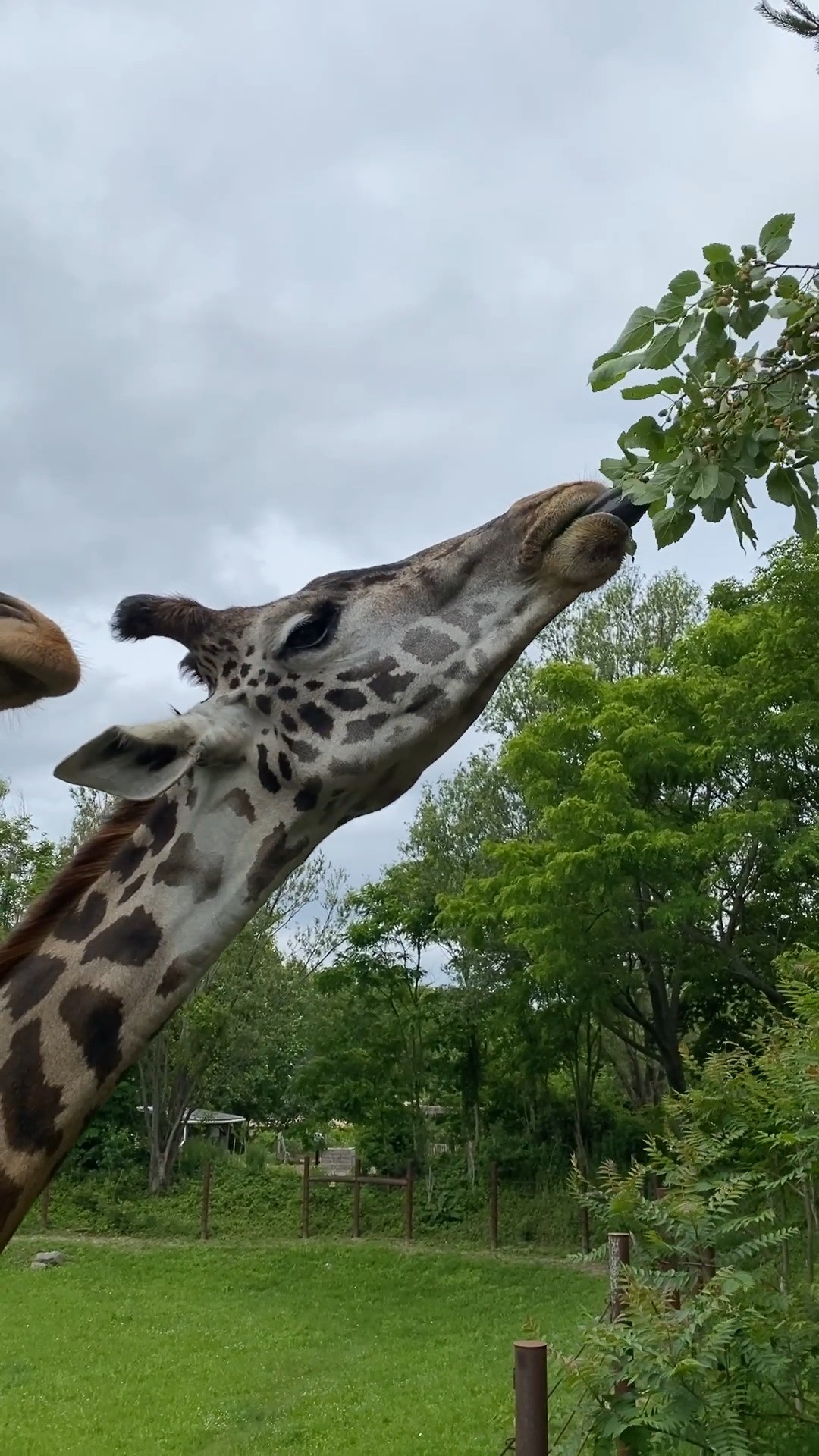
Efforts at Franklin Park Zoo provide a vital counterpoint to these challenges. The Masai giraffes Amari and Chad serve as ambassadors for their species. The dedicated animal care team ensures their well-being through a structured regimen that includes enrichment activities and targeted veterinary care. Giraffes in zoological settings benefit from the ability to receive consistent medical attention, something that wild populations lack. Regular health checks allow experts to identify and treat potential health issues early, which is critical given the limited resources animals have in their natural habitats.
In addition to veterinary care, breeding programs play an essential role in giraffe conservation. These programs provide the infrastructure needed to foster a genetically diverse population. Genetic diversity is crucial for the long-term survival of species, as it enhances resilience to diseases and environmental changes. By participating in breeding programs, zoos also contribute to the preservation of various subspecies of giraffes, including the Masai giraffe. This is particularly important given that each subspecies faces its own unique challenges in the wild.
The Association of Zoos and Aquariums (AZA) leads initiatives like the SAFE Giraffe program, which focuses on giraffe conservation efforts both in zoos and in natural habitats. The SAFE program connects various stakeholders, including conservation organizations, researchers, and educators, to coordinate actions that address the challenges facing giraffes. This collaborative approach leverages expertise and resources to yield results on multiple fronts.
Significantly, the SAFE Giraffe program aims to raise awareness about these pressing conservation issues. Public education is paramount to fostering a conservation-minded society. Efforts to involve the community often include educational programs, public talks, and outreach initiatives. Each interaction encourages dialogue around the importance of giraffe conservation and what can be done to aid their survival.
Many people might wonder how they can contribute to these efforts. One of the simplest ways is through zoo memberships and ticket purchases, which support these important programs. The revenue generated helps fund important initiatives that directly benefit giraffes and other wildlife. For example, funds are often allocated to in-situ conservation projects aimed at habitat protection in Africa. Here, local partners work tirelessly to safeguard the remaining giraffe populations and to implement sustainable agricultural practices that allow humans and wildlife to coexist.
More specifically, organizations focused on Somali giraffes in East Kenya exemplify how targeted conservation efforts can yield positive results. These initiatives often involve local communities, empowering them to take ownership of conservation practices. Communities are integral to conservation, as they serve as stewards of the land and possess valuable knowledge about local ecosystems.
Understanding the ecological role giraffes play is also important in advocating for their conservation. As browsers, giraffes help maintain the structure of African savannas by preventing bush encroachment. Their feeding habits promote biodiversity and allow for a range of other species to thrive in the ecosystem. The loss of giraffes could thus have cascading effects on various plants and animals reliant on these habitats.
Giraffes also capture the public’s imagination, making them effective symbols for various conservation campaigns. Their long necks and distinctive patterns often evoke a sense of wonder. This fascination can be harnessed to engage broader audiences in conservation discussions. By generating interest, organizations can more effectively communicate critical conservation messages.
The importance of giraffes cannot be overstated; they are vital to both their ecosystems and the people who depend on these environments. Each individual contributes to the delicate balance of life in the African savannas. This interconnectedness highlights the urgent need for conservation efforts not just for giraffes, but for all species that share their habitats.
With ongoing threats, it is essential that public awareness translates into effective action. Whether through funding or advocacy, every individual can play a role in giraffe conservation. Participation in local events or supporting initiatives at institutions like Franklin Park Zoo fosters a greater understanding of the challenges giraffes face.
Moreover, the collective efforts through programs like SAFE Giraffe highlight that there is a pathway forward. Conservation is not merely an abstract concept; it requires practical actions, solid partnerships, and community involvement. This joint effort will pave the way for giraffe populations to rebound in the wild.
Zoos contribute significantly to a broader conservation strategy. Their role extends beyond mere exhibition to encompass education, research, and direct action in the field. While Amari and Chad thrive in Franklin Park Zoo, their story is also one of global significance. As ambassadors for their species, they remind us of the urgency to act.
Giraffes stand tall as symbols of what is at stake. Their plight should inspire a collective response, uniting people across the globe in their efforts to ensure that future generations can also appreciate these magnificent creatures. The time to act is now. Raising awareness and supporting conservation initiatives will go a long way in making a profound difference in the lives of giraffes facing adversity.
By understanding the vital role of giraffes, supporting zoo programs, and engaging in conservation work, we can all contribute to a healthier planet. Building a sustainable future requires commitment and courage. Each action, no matter how small, adds up, creating ripples of positive change. Together, we can help giraffes stand tall for generations to come.
*****
Source Description
It’s time to stand tall for giraffes! 🦒
Masai giraffes Amari and Chad at Franklin Park Zoo are thriving thanks to doting attention from their animal care team, who provide regular enrichment, training, veterinary care and a nutritious diet for our towering ambassadors.
But giraffes in the wild are facing dire threats, including poaching, habitat loss and climate change. In fact, populations have declined precipitously in the last few decades. On this World Giraffe Day, support Earth’s tallest animal by raising awareness about the urgent need to conserve this species. Zoo New England is proud to partner with The Association of Zoos and Aquariums through the SAFE Giraffe program to raise awareness about this conservation concern and support efforts to protect giraffes in the wild. Find out how our partners in Africa are working to protect Somali giraffes in East Kenya at the link in our bio.
🎟️ Your memberships and ticket purchases support this kind of international conservation work — so thank you!
