
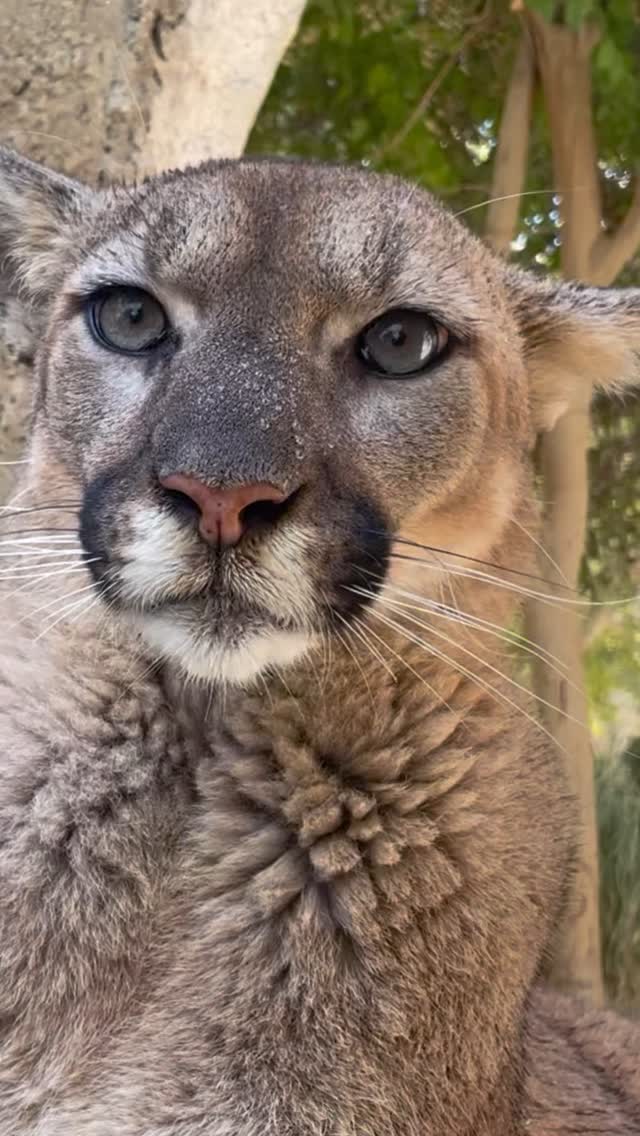
- Importance of Adjusting to Summer Hours for Animal Welfare
- Opportunities for Morning Visits to Enhance Visitor Experience
- Impact of Climate on Animal Behavior and Zoo Operations
- Conservation and Education Initiatives During Summer Months
- The Role of Social Media in Wildlife Education and Engagement
The shift to summer hours at zoological parks like ours is a strategic decision rooted in animal welfare and visitor safety. As temperatures rise, animals require cooler conditions to remain active and healthy. This adjustment allows them to enjoy their environment during the cooler morning hours, preventing heat stress and promoting natural behaviors.
For visitors, morning hours offer a peaceful and comfortable setting in which to explore and connect with wildlife. The mornings are an ideal time to witness animals at their liveliest—many are more active and engaging during the cooler parts of the day. Early hours also provide a serene atmosphere, ideal for families, educators, and wildlife enthusiasts eager to learn and observe.
The effects of climate on animal behavior and zoo operations are profound. As temperatures increase, many species seek shade and rest, reducing visibility and interaction opportunities. By understanding these patterns, zoos can better curate visitor experiences while prioritizing animal health. Adjusting hours for summer ensures that both animals and guests have an optimal experience.
Integral to these adjustments are ongoing conservation and education initiatives. Summer offers unique opportunities to engage the public in educational programs focused on sustainability and species conservation. Through interactive displays and expert talks, visitors can gain insights into the critical role zoos play in protecting biodiversity and supporting endangered species. Summer programs often feature special-themed days and camps that highlight wildlife conservation themes, fostering a deeper connection to nature among participants.
Social media plays a pivotal role in wildlife education and engagement. Platforms like Instagram can reach extensive audiences, disseminating important information and fostering a sense of community. Social media allows zoos to showcase their initiatives, engage directly with the public, and spread awareness about conservation challenges. Sharing authentic content, such as photos and stories from team members, creates strong bonds with followers and enhances educational outreach.
Adjusting to summer hours is not a simple logistical change but an embodiment of a commitment to animal care and community engagement. By providing ideal conditions for both animals and visitors, zoos can enhance educational experiences and foster a greater appreciation for wildlife conservation.
*****
Source Description
Looking for a paw-sitive way to start your day? 🐱
Starting June 1, we’re shifting to summer hours so you can make the most of the desert’s cooler mornings and have some fun before you need a catnap! 🐾
𝗦𝘂𝗺𝗺𝗲𝗿 𝗛𝗼𝘂𝗿𝘀
🕖 Open daily: 7:00am–1:30pm
🎟️ Last admission: 12:30pm
𝘗𝘭𝘦𝘢𝘴𝘦 𝘯𝘰𝘵𝘦, 𝘰𝘶𝘳 𝘯𝘢𝘵𝘶𝘳𝘦 𝘱𝘳𝘦𝘴𝘦𝘳𝘷𝘦 𝘩𝘪𝘬𝘪𝘯𝘨 𝘵𝘳𝘢𝘪𝘭𝘴 𝘢𝘯𝘥 𝘤𝘢𝘳𝘰𝘶𝘴𝘦𝘭 𝘢𝘳𝘦 𝘤𝘭𝘰𝘴𝘦𝘥 𝘧𝘰𝘳 𝘵𝘩𝘦 𝘴𝘶𝘮𝘮𝘦𝘳 𝘢𝘯𝘥 𝘸𝘪𝘭𝘭 𝘳𝘦𝘰𝘱𝘦𝘯 𝘪𝘯 𝘵𝘩𝘦 𝘧𝘢𝘭𝘭.
📸: Team Member, Hannah W.
