
- Understanding the physiological challenges animals face in high temperatures
- The importance of environmental enrichment in zoos
- Techniques for cooling animals and ensuring their well-being
- The role of animal choice in habitat management
- Lessons learned for wildlife conservation in changing climates
As temperatures rise, animals in zoos and wildlife sanctuaries face significant challenges. High heat has physiological impacts on many species, leading to stress that can affect their health and well-being. For many animals, particularly those that are not naturally equipped for extreme heat, elevated temperatures can lead to increased risk of dehydration, heat exhaustion, and even death.
Understanding the Physiological Challenges Animals Face in High Temperatures
Animals, like humans, have limits to how much heat their bodies can handle. The thermoregulatory process struggles under extreme conditions, leading to difficulties in maintaining a stable internal temperature. For example, mammals rely on sweating or panting to cool down, but these methods aren’t equally effective in all species. Many wild animals have adapted to thrive in cooler environments, like the snow leopard or the Arctic fox. When they are placed in warmer climates, even in captivity, their natural behaviors and adaptations may not suffice to maintain a healthy body temperature.
Heat stress affects not only the physical health of these animals but also their psychological state. Prolonged exposure to high temperatures can lead to agitation and displacement behavior. Zookeepers and animal care teams need to monitor animals closely during heat waves, ensuring they are not suffering from heat exhaustion.
The Importance of Environmental Enrichment in Zoos
Environmental enrichment is essential for all animals in captivity. It encourages natural behaviors and provides psychological benefits that improve overall well-being. During heat waves, the importance of enrichment becomes even more pronounced. This includes incorporating elements that help animals manage high temperatures effectively.
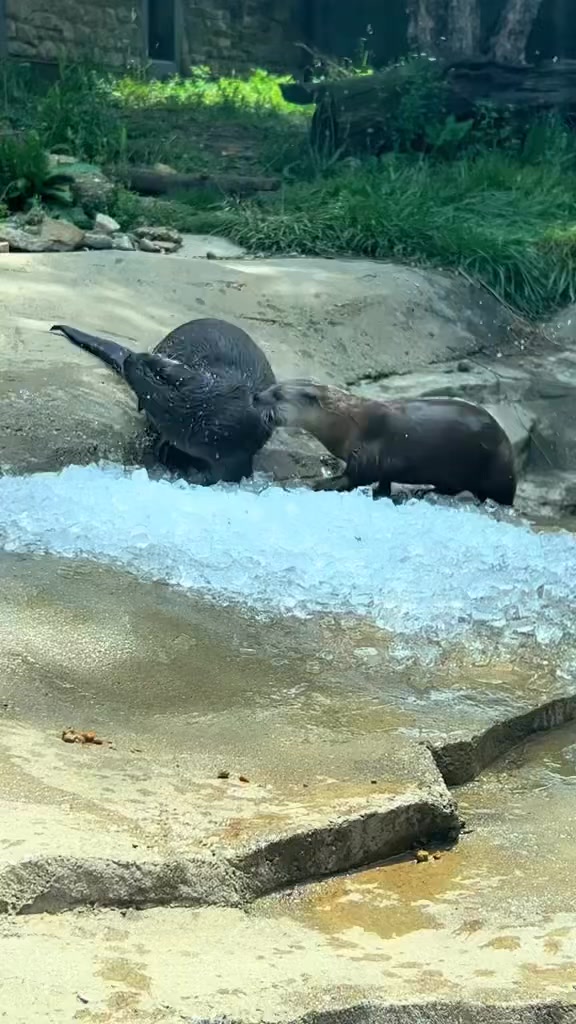
For instance, enrichment strategies might include providing animals with pools of water, misting systems, or shaded areas. Ice blocks, used fun and enticing way to cool down, can be frozen and presented to various species, offering both hydration and stimulation. These methods not only maintain comfort but also allow animals to engage in play and exploration, reducing stress during hot months.
The use of enrichment may vary by species. For example, meerkats might dig into ice blocks to find tasty treats while harbor seals might swim in chilled pools. The goal is to create an environment that encourages animals to exhibit their natural behaviors even in challenging weather conditions.
Techniques for Cooling Animals and Ensuring Their Well-Being
There are several effective techniques for cooling animals in zoos. These range from simple adaptations to more advanced systems designed specifically for animal care. Some common methods include:
-
Ice Blocks: These are frozen solid and can be placed in animal enclosures. Animals often enjoy licking or chewing on them, which provides hydration and entertainment.
-
Misters and Sprinklers: These create a fine mist that cools the surrounding air. Many animals, from birds to reptiles, benefit from the increased humidity and cooler temperatures. The cooling effect of evaporative water is essential for species sensitive to heat.
-
Shade Structures: Adding shade to enclosures is vital for animals needing to escape direct sunlight. Materials can be crafted to mimic their natural habitat, contributing to comfort.
-
Air Conditioning: For some species unable to cope with high temperatures, providing air-conditioned indoor spaces becomes essential. Snow leopards and red pandas, for example, require options to retreat to cooler environments.
- Cool Pools: Many animals love water, making pools a natural choice for cooling. Providing a place to swim not only helps them cool down but also offers active engagement.
Each of these methods plays a crucial role in maintaining animal health and well-being. The implementation of these cooling techniques must be coupled with regular behavioral observations. Care teams must adapt and modify strategies based on how the animals respond to various methods.
The Role of Animal Choice in Habitat Management
Creating an environment that allows animals to choose where to spend their time is critical in promoting well-being. For instance, providing options such as shaded areas, misters, or air-conditioned spaces enables animals to actively manage their exposure to heat. This choice is especially important for species like the snow leopard and red panda, who can alternate between warmer outdoor environments and cooler indoor areas.
Such arrangements recognize and respect the autonomous nature of animals, allowing them to make decisions about their habitats. This flexibility can reduce stress levels and lead to more naturalistic behaviors, which are essential for maintaining overall health in captive settings.
Research shows that animals that are given choices about their environments often exhibit fewer signs of stress and healthier behaviors than those confined to single habitat types. For conservationists and zookeepers alike, promoting animal choice is a best practice that reflects a deeper understanding of species needs.
Lessons Learned for Wildlife Conservation in Changing Climates
As global warming increasingly affects wildlife, understanding animal needs in changing environments becomes essential. What works in a controlled zoo setting may also inform conservation strategies in the wild. Many habitats are at risk from rising temperatures, and wildlife must adapt or face possible extinction.
Lessons learned from managing zoo animals during heat waves could translate into strategies that support wildlife conservation. For example, creating shaded areas and ensuring access to water in natural habitats can benefit species struggling against climate change. Allowing wildlife the space and resources to manage their own thermoregulation is essential in habitats facing extreme heat events.
Collaboration among zoologists, conservationists, and climate scientists is crucial. It fosters the exchange of knowledge on animal behavior, physiology, and habitat management that is increasingly relevant as climate patterns shift. Essential information about how various species adapt to heat can guide effective conservation strategies moving forward.
In addition, public awareness plays a role in wildlife conservation. Educators can communicate effective practices used in zoos to encourage people to apply similar techniques in community settings or local habitats. Initiatives to protect natural habitats and provide resources for wildlife in times of climate crisis will be vital in making a lasting impact.
Animal welfare during high temperatures isn’t merely a consideration for zoos but a cornerstone for future conservation efforts. Understanding the needs of various species while implementing effective cooling techniques underscores the need for ongoing research and education.
Incorporating cooling techniques, offering animal choice, and recognizing the importance of environmental enrichment are integral in maintaining animal health during extreme temperatures. This comprehensive approach not only benefits animals in captivity but also prioritizes the broader conversation around wildlife conservation in an ever-warming world.
*****
Source Description
Make sure you’re staying cool in these high temperatures, even if that means you have to have your wrestling match in a pile of ice!
When it gets hot outside like this, we give the animals different enrichment – such as ice blocks, piles of ice, sprinklers, misters and pools – to help them stay cool. Some animals, like the snow leopard and red panda, have the choice to be outside or to go inside the air conditioning to cool off.
