
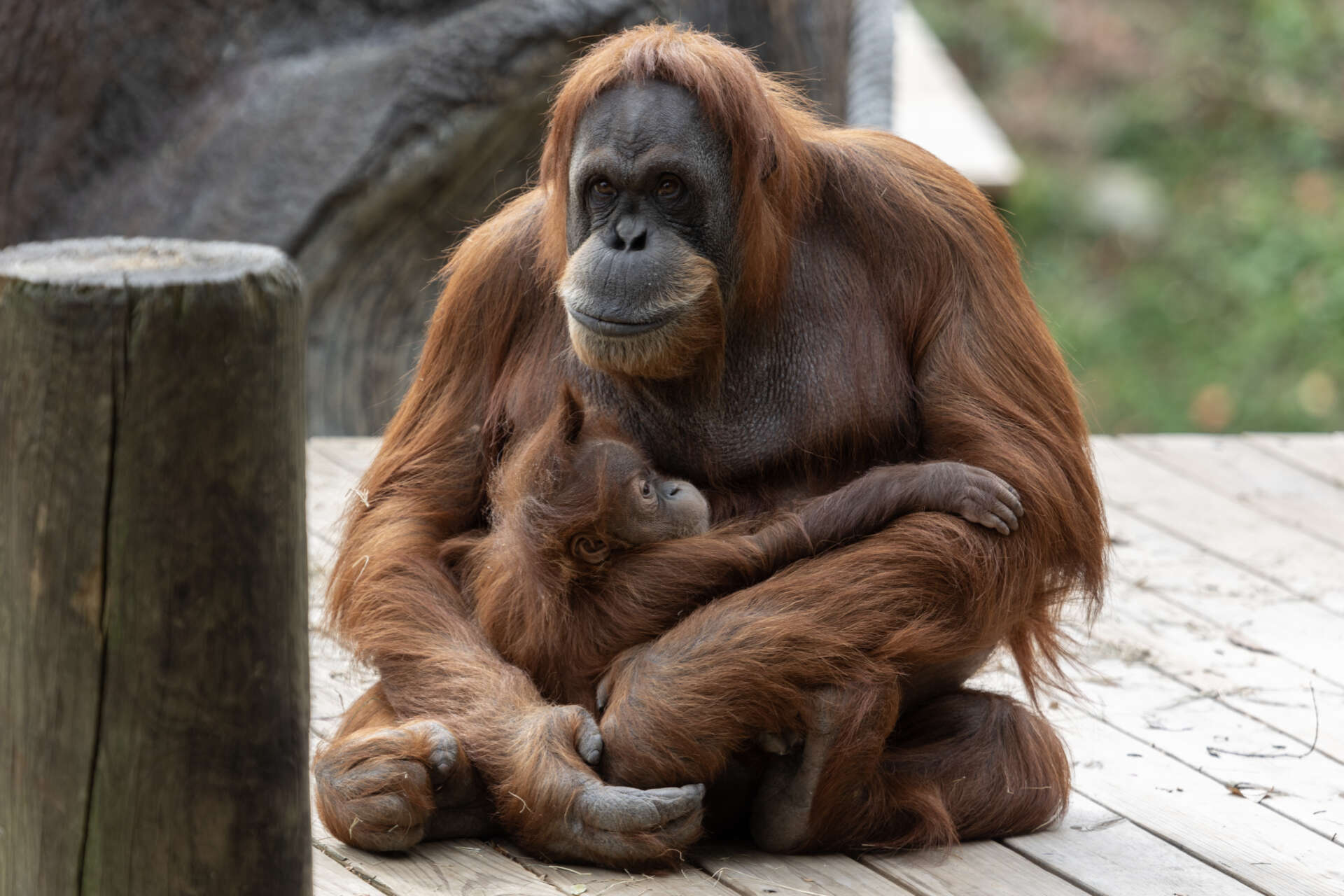
Summary of Keeping cool with the orangutans:
Kristen, a member of the Orangutan Care Team at Zoo Atlanta, shares insights about how orangutans cope with the summer heat. She highlights their natural habitat in Borneo and Sumatra, where they manage temperatures through behavior like resting in shade and drinking water-rich fruits. At the zoo, staff implements cooling strategies such as early access to outdoor spaces, large fans with water misters, and providing frozen treats to keep the orangutans hydrated. The animals also have indoor, climate-controlled housing for extreme temperatures. Kristen invites visitors to observe these cooling techniques and potentially learn a few tips on staying cool themselves.
- The natural habitat and climate needs of orangutans in the wild
- Cooling strategies used by orangutans, both in the wild and at Zoo Atlanta
- The role of the Orangutan Care Team in ensuring animal welfare during hot months
- Visitor experience and engagement with orangutans during summer
- Importance of conservation efforts for orangutans and their habitats
Orangutans are among the most intelligent primates in the animal kingdom and are critically endangered. Native to the rainforests of Borneo and Sumatra, they thrive in environments where the temperature can soar to 100 degrees Fahrenheit. Understanding their habitat and the means by which they cope with extreme heat is crucial for both conservationists and zoo professionals. This article aims to provide insights into these fascinating creatures, particularly focusing on how they stay cool at Zoo Atlanta during the sweltering summer months.
The natural habitats of orangutans play a significant role in their overall health and behavior. Rainforests offer a complex ecosystem where temperatures fluctuate between mid-60s and 100 degrees. In these humid forests, orangutans navigate their environment by climbing high into the canopies, where they find shade from direct sunlight. This natural behavior is mirrored in managed care settings like Zoo Atlanta, where their habitats are designed to resemble their native environments as closely as possible. The orangutans at Zoo Atlanta benefit from lush greenery and shaded spots that mimic the cooling effects of the forest canopy, enabling them to maintain their natural behaviors.
Adaptive strategies help orangutans manage heat in their wild habitats. During the hottest parts of the day, these primates opt for rest rather than activity. They can often be seen lounging on branches, taking advantage of the forest’s sheltered spots. Additionally, orangutans consume water from leaves and water-rich fruits, ensuring hydration while minimizing exertion. This urge to stay cool is inherent, driven by their physiology and the environmental conditions in which they evolved. Understanding these behaviors is fundamental for creating effective care strategies in a zoo setting.
Zoo Atlanta is committed to mimicking these natural behaviors through proactive measures. The Orangutan Care Team recognizes the importance of keeping the orangutans cool during the hotter months, implementing various techniques. An early start to the day allows the primates to explore their outdoor habitats before temperatures escalate. This approach not only respects the animals’ natural behaviors, but it also maximizes their engagement with the environment. Staff members closely monitor daily weather updates to make informed decisions about outdoor access and other activities for the orangutans.
Large fans equipped with water misters have been strategically placed throughout the habitats. These features create a gentle breeze that aids in temperature regulation and helps keep the animals comfortable. Shady areas in the enclosures provide essential respite, allowing the orangutans to relocate as needed. Such features reflect a keen understanding of their needs. Each cooling solution is carefully considered to create an environment where the orangutans can thrive.
The enrichment activities organized by the Orangutan Care Team also play a pivotal role in their well-being during summer. Treats designed to promote hydration, such as frozen bamboo shoots and fruit-filled ice blocks, are daily staples. These healthy snacks offer mental and physical stimulation while fulfilling the animals’ hydration requirements. Zoo staff are well aware that food enrichment is an essential component for keeping orangutans engaged, especially when heat may deter them from more active play. Providing various textures and flavors in their diets ensures that the animals remain interested and active, enhancing their overall welfare.
In cases where the weather becomes excessively hot, the care team evaluates individual orangutans based on established temperature guidelines. Factors such as age and physical condition influence whether they should remain outdoors or have access to their climate-controlled indoor spaces. This dual-purpose housing is vital. It allows for a stable and comfortable environment when outdoor conditions are less favorable. By actively rotating the orangutans between indoor and outdoor habitats, the staff fosters a more dynamic lifestyle that minimizes stress during peaks in temperature.
For visitors at Zoo Atlanta, watching orangutans interact with their environment offers an educational experience. The care team continually aims to enhance visitor understanding of orangutan behavior and natural history. Informational signage helps guests learn about the cooling strategies employed by orangutans and the nuances of their interactions with caretakers. Observing how the animals respond to environmental changes provides meaningful insights into their everyday lives.
Educational opportunities abound, with presentations about the importance of wildlife conservation and the threats faced by orangutans. As the animals exhibit natural behaviors in their habitats, guests are encouraged to ask questions. Such engagement not only fosters a deeper connection between the public and the animals but also highlights the urgency of conservation efforts. Sharing knowledge about habitat loss and the illegal wildlife trade serves as a catalyst for advocacy.
Conservation efforts globally must address the factors contributing to the decline of orangutan populations. Habitat destruction due to logging and agricultural expansion, particularly for palm oil production, poses significant threats. Organizations are working to protect remaining orangutan habitats, advocating for sustainable practices and raising awareness about the plight of these primates. Supporting organizations that fund conservation efforts can help preserve these vital ecosystems. Collaborations among zoos, wildlife organizations, and local communities are pivotal in securing a future for orangutans.
Visitors to Zoo Atlanta can become active participants in these efforts. Engaging with programs aimed at raising awareness or donating to conservation initiatives can create a ripple effect. The plight of orangutans is a collective responsibility, and fostering understanding will help lay the foundation for effective solutions.
In summary, Zoo Atlanta’s commitment to the well-being of its orangutans reflects a comprehensive approach to animal care that takes into consideration both the comfort and natural behaviors of these primates. The cooling strategies employed—ranging from appropriate habitat design to innovative enrichment activities—exemplify the efforts made to enhance the lives of the orangutans during the hot summer months. By understanding their needs and the challenges they face, we can all contribute to the conservation of these remarkable creatures and their habitats. Through education and advocacy, the future of orangutans can still be bright, ensuring generations to come can enjoy their fascinating behaviors and unique presence.
