
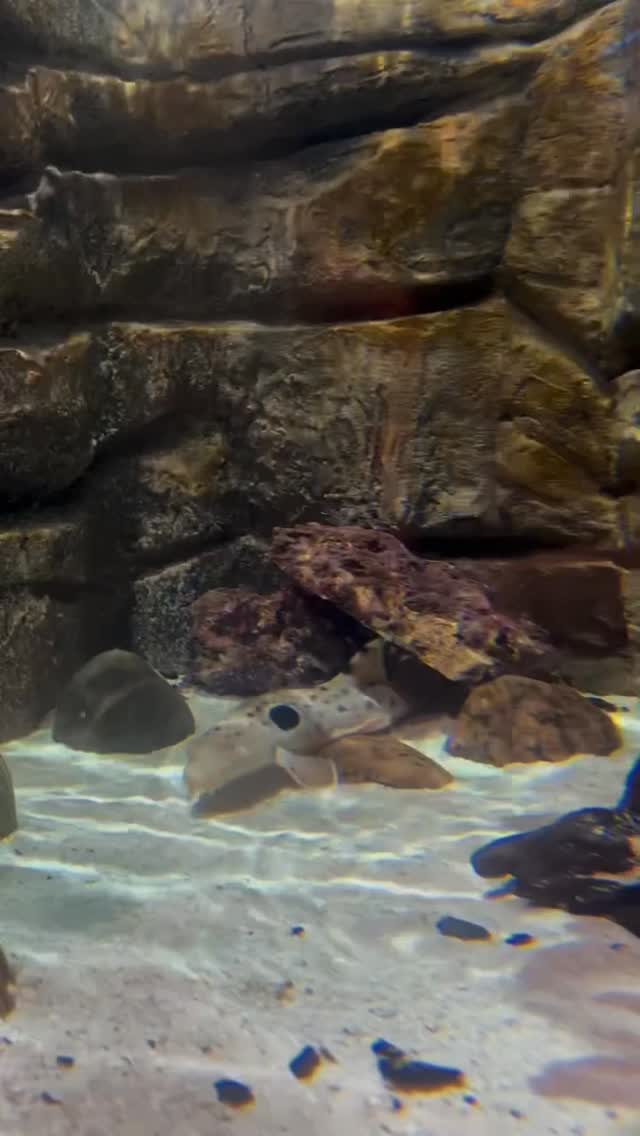
- The epaulette shark’s unique locomotion method
- Habitat preferences and distribution
- Diet and feeding behavior
- Reproductive habits and life cycle
- Conservation challenges and efforts
The epaulette shark, also referred to as the “walking shark,” is an intriguing species primarily found in shallow coral reefs and tide pools. This small shark is notable for its unique mode of locomotion; it uses its pectoral and pelvic fins to traverse the seafloor, making it appear as if it is walking. This ability enables it to maneuver around obstacles and find food while avoiding predators.
The epaulette shark thrives in warm, shallow waters. Its preferred habitats are typically coral reefs, sandy beaches, and rocky areas within the Indo-Pacific region. Found in locations such as Australia, New Guinea, and Indonesia, these sharks can adapt to various environments. This adaptability allows them to occupy tide pools where they might encounter varying salinity and temperature levels.
Dietary preferences of the epaulette shark consist mainly of small fish, crustaceans, and mollusks. They are opportunistic feeders, meaning they will consume what is readily available. Their ability to “walk” allows them to ambush prey hidden in crevices or sand. They are equipped with electroreception, which is the ability to detect electric fields generated by other organisms, aiding them in locating prey even in obscured environments.
When it comes to reproduction, the epaulette shark is ovoviviparous, meaning that eggs hatch inside the female’s body, and she gives birth to live young. Females typically produce a small number of pups, which are independent once born. The relatively slow reproductive rate can contribute to population vulnerability, especially in the face of environmental changes and human activities.
The conservation status of the epaulette shark is a significant concern. Although classified as “Least Concern” by the IUCN, local populations face threats from habitat destruction, pollution, and overfishing. As coral reefs continue to degrade due to climate change and human impact, understanding the lifestyle and needs of the epaulette shark becomes increasingly important. Conservation efforts focus on habitat protection, sustainable fishing practices, and increased awareness of the species’ ecological role.
The epaulette shark stands as an outstanding example of evolutionary adaptation, demonstrating remarkable behaviors that enable survival in challenging environments. Its ability to “walk” not only fascinates researchers and enthusiasts alike but also provides vital insights into the diversity of life found in marine ecosystems. Understanding the epaulette shark’s behavior, habitat, and the challenges it faces is essential for promoting marine biodiversity and fostering responsible stewardship of ocean resources.
*****
Source Description
These sharks sure know how to get their steps in! 🦈
Happy The epaulette shark, also known as the “walking shark,” is small species of shark that lives in shallow coral reefs and tide pools. Using their pectoral and pelvic fins, they can “walk” along the seafloor, navigating obstacles, cracks, and crevices in order to hunt for food or hide from larger animals!
